Scaling Retail Without Losing the Brand's Human Soul

WestPack Lifestyle began as a practical, value-driven retail business with a simple promise: good-quality household products at accessible prices. What started as one general store grew into a recognizable warehouse-style retail brand with 47 stores across South Africa by 2017, including WestPack Express franchise formats and plans for further regional expansion.

But growth has a way of exposing every shortcut a brand took in the beginning. Rude, but useful.

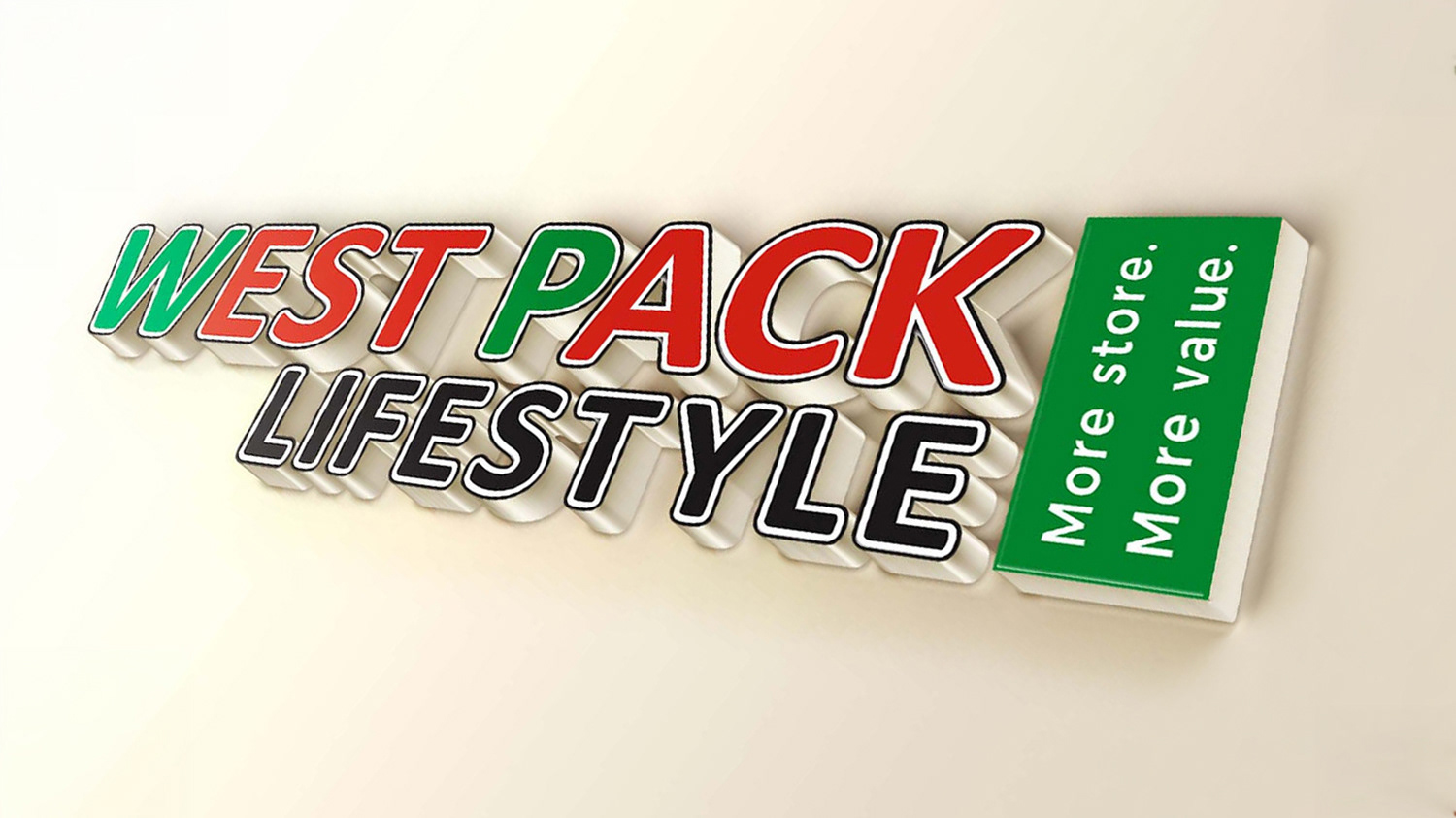
The original WestPack logo had been created quickly and practically, using Arial Bold and the Portuguese national colours, so signage suppliers had something to work with. At the time, it solved the immediate problem. As the business expanded, that same informal approach became a risk. Local signage suppliers interpreted the logo differently. 
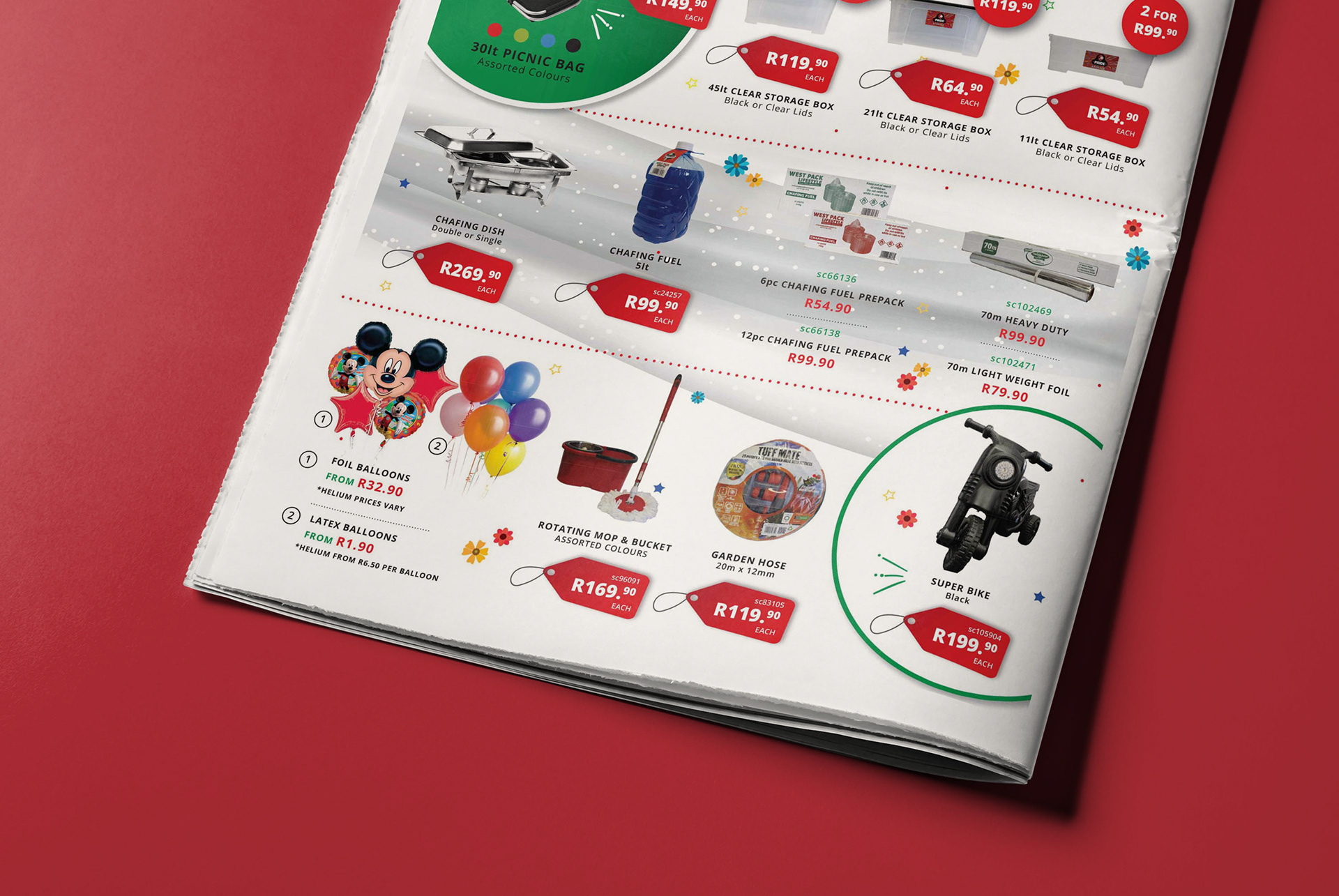
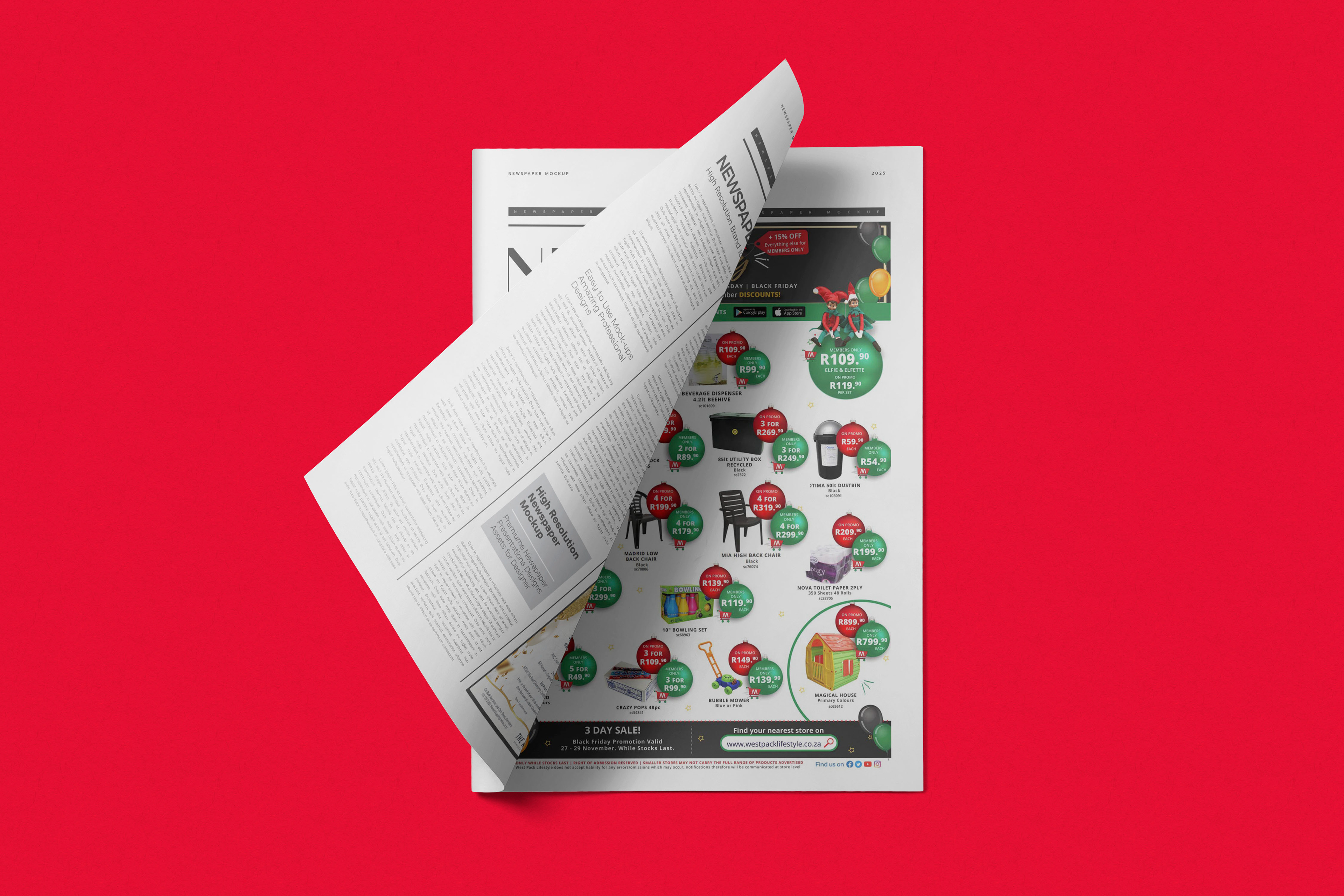
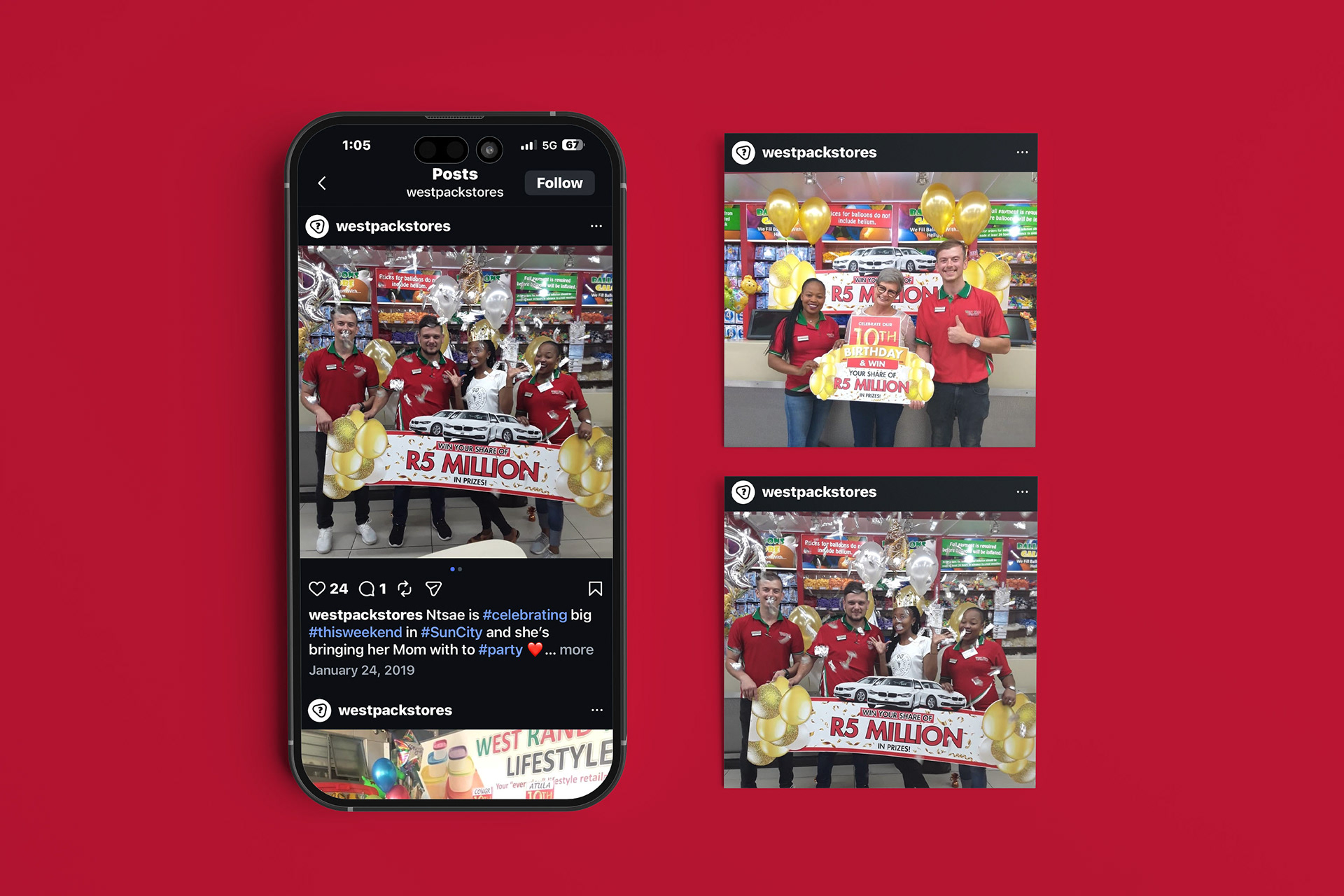
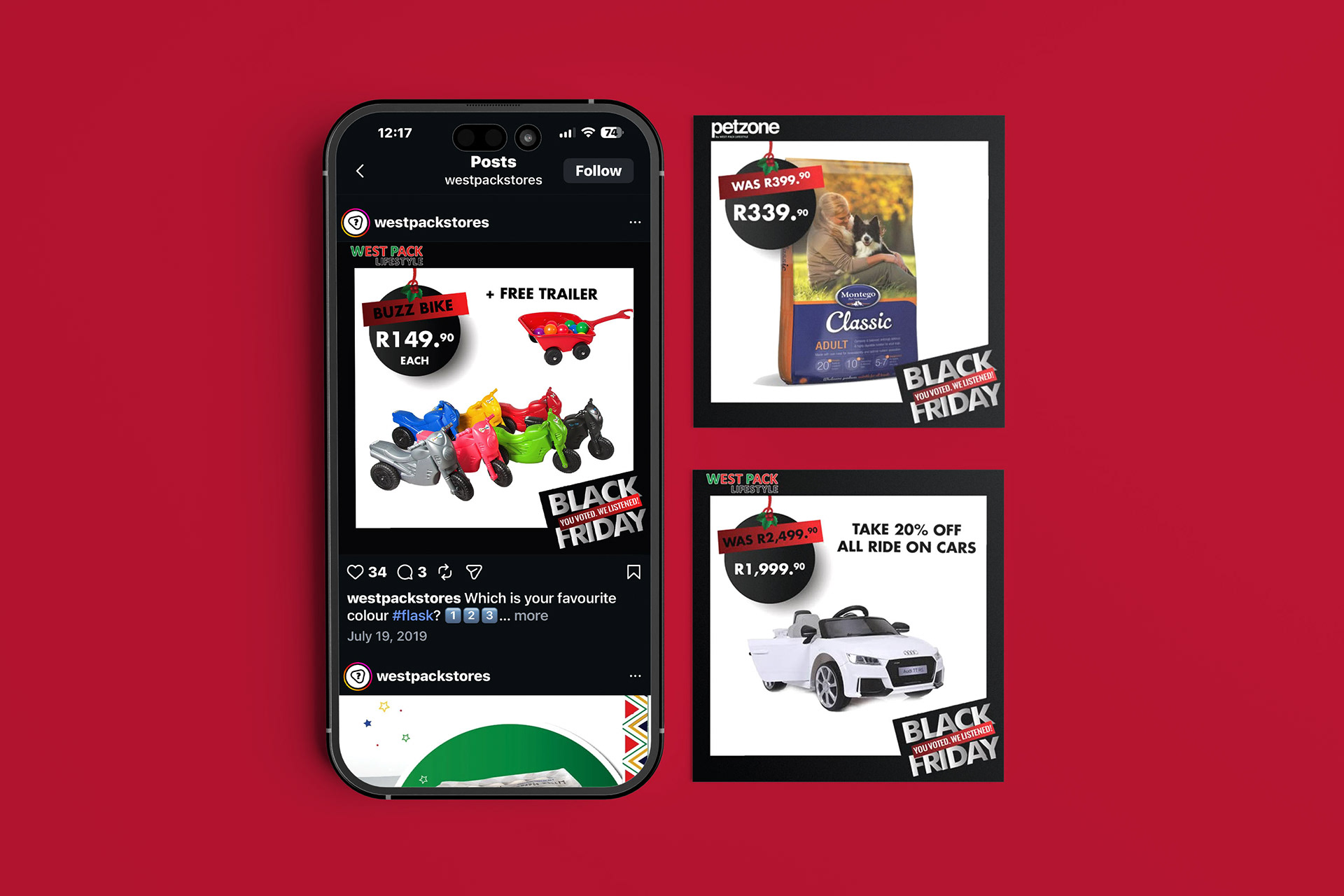
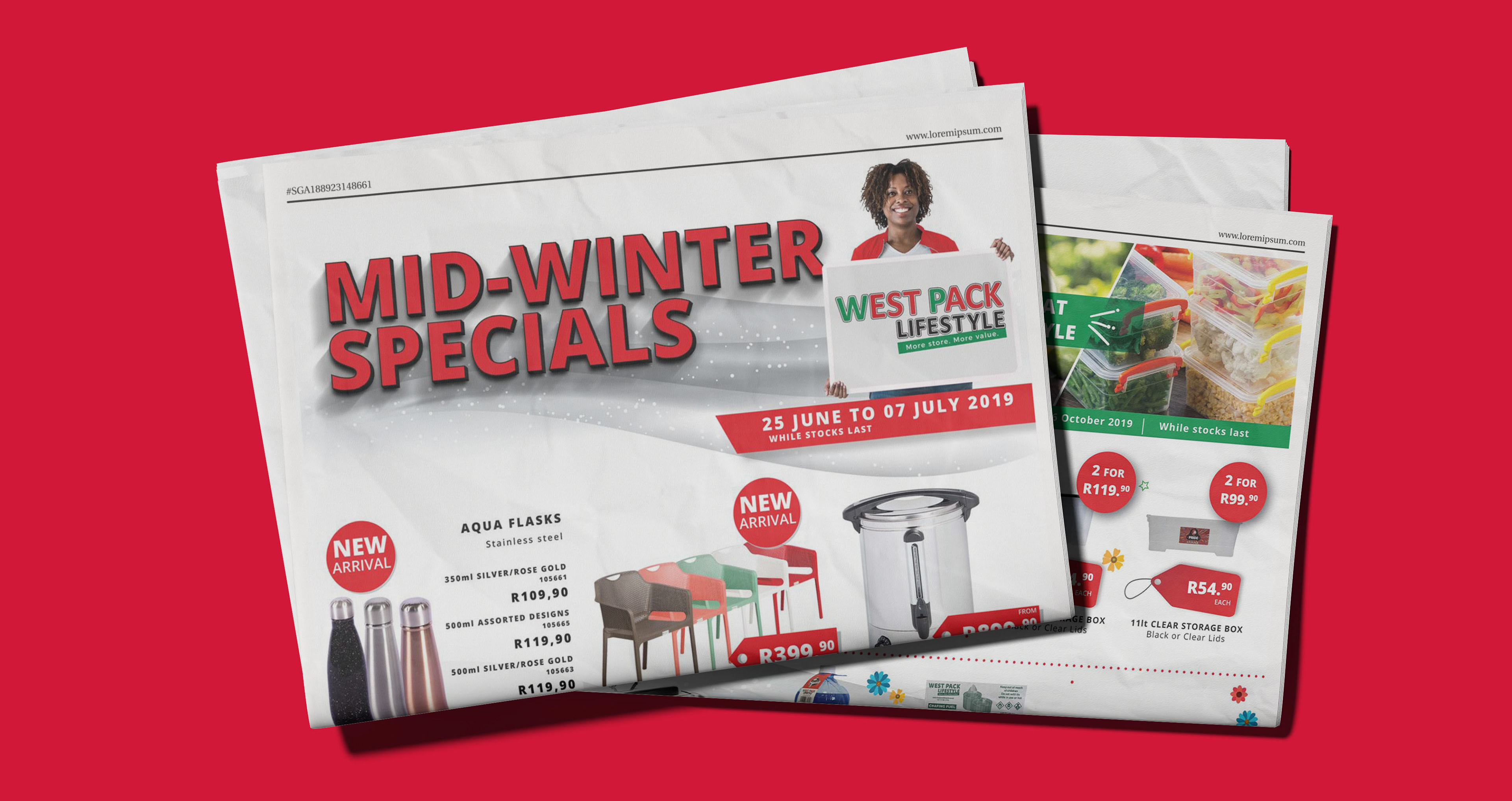
Promotional material varied from store to store. Internal teams were enthusiastic but undertrained. The website did not reflect the size or credibility of the business. Printing was being handled in-house at store level, creating unnecessary cost and inconsistency.
The brand had not failed. It had simply outgrown the systems behind it.

The challenge
The challenge was not to reinvent WestPack. Customers already knew the brand. The logo, colours, and warehouse-style retail experience had strong recognition. A complete visual overhaul would have risked damaging the equity the business had already built.
The real challenge was to create structure without stripping away familiarity.
WestPack needed a brand system that could support store expansion, franchise growth, packaging, supplier production, digital communication, promotional activity, and internal employee alignment. It also needed to reconnect the business to its original family-driven culture, especially as rapid growth had made some employees feel further removed from leadership.

This was a brand strategy challenge, not simply a design challenge.

Strategic diagnosis
The audit showed that the brand was fracturing across several touchpoints:
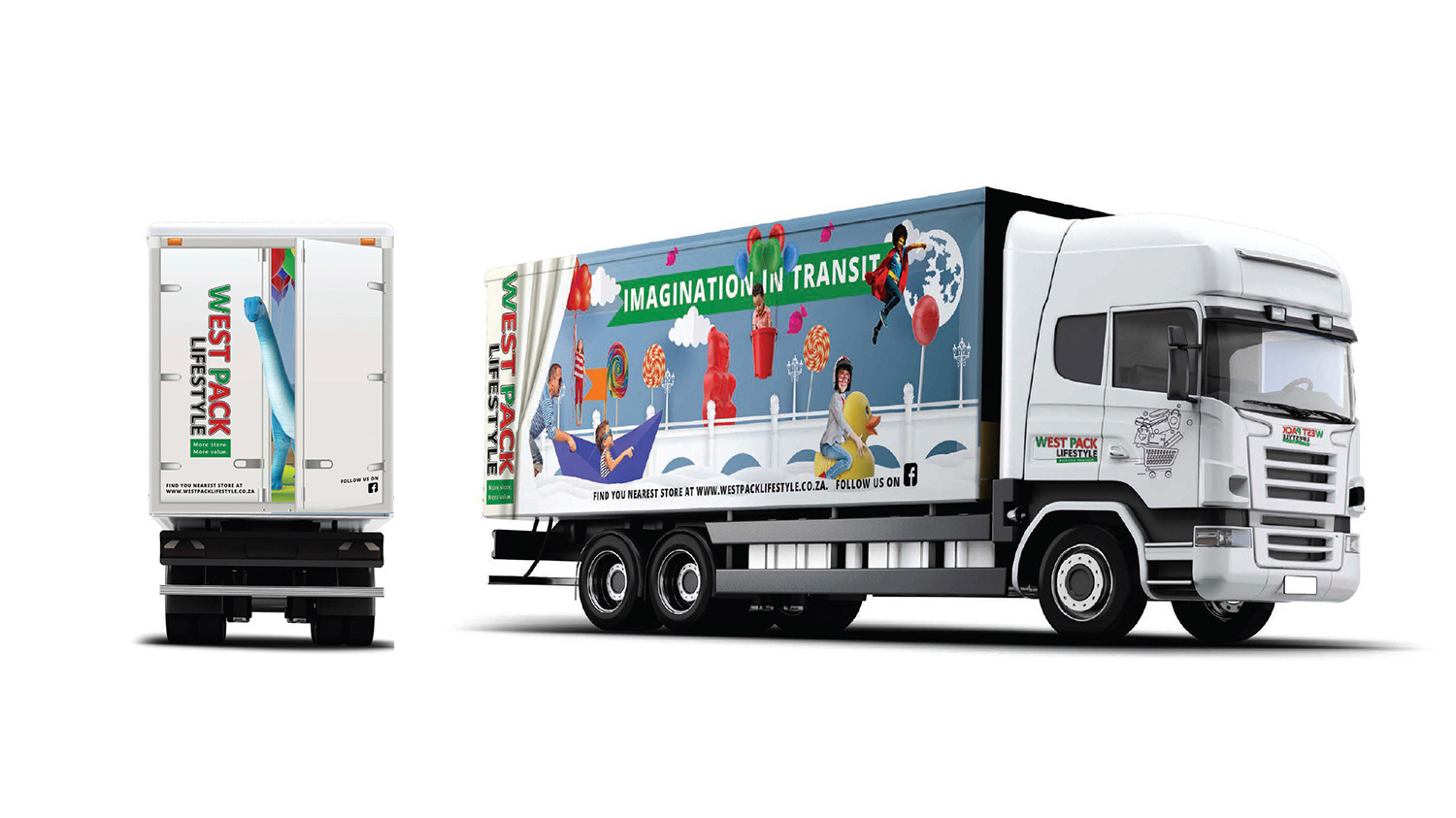
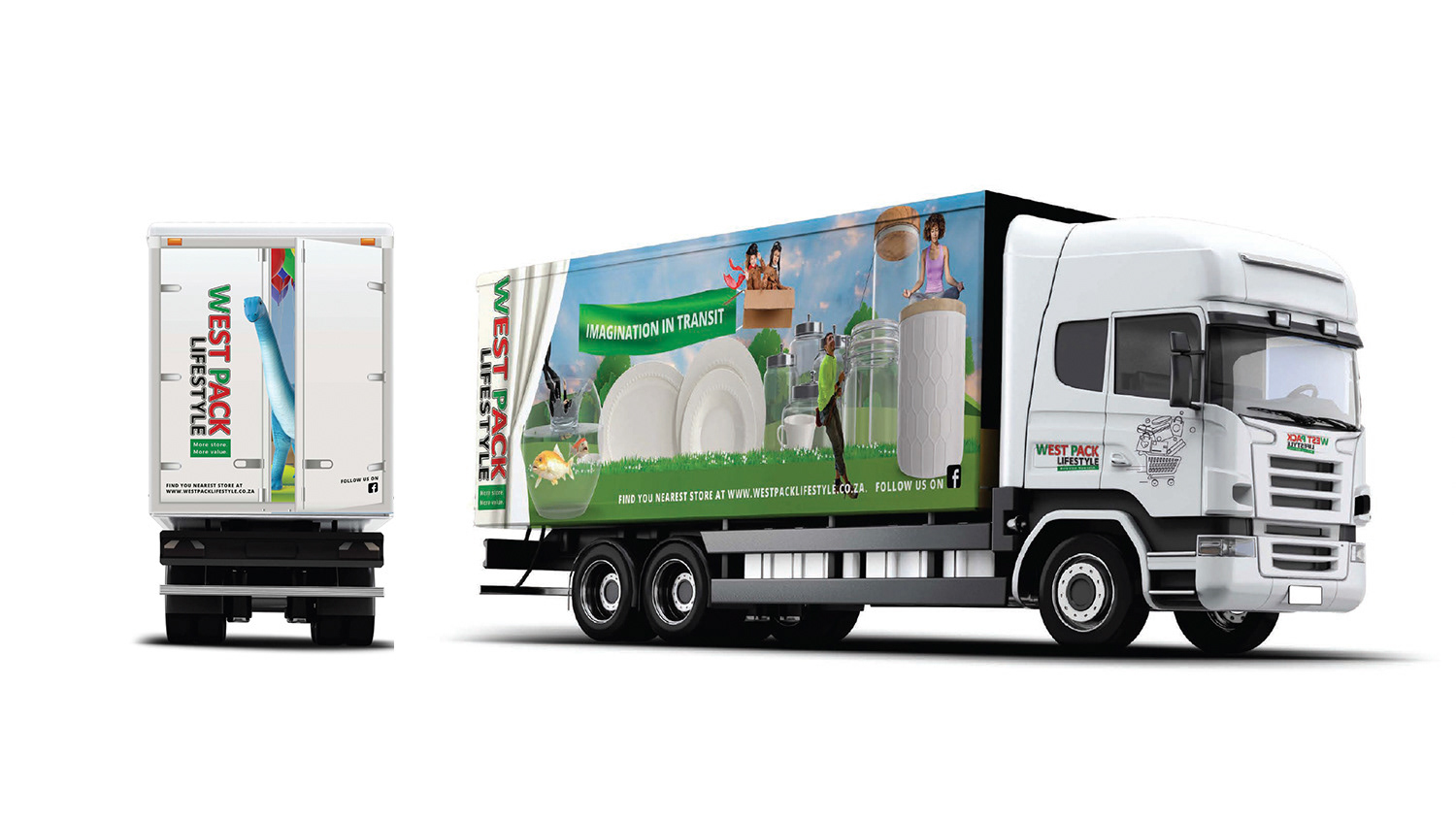
The visual identity was highly recognizable, but inconsistently applied. Signage, print material, local promotions, advertising, and supplier files were being interpreted without proper brand guidelines.

The internal team had energy and willingness, especially around social media and WhatsApp-based communication, but they needed training, templates, production standards, and a clearer approval process.

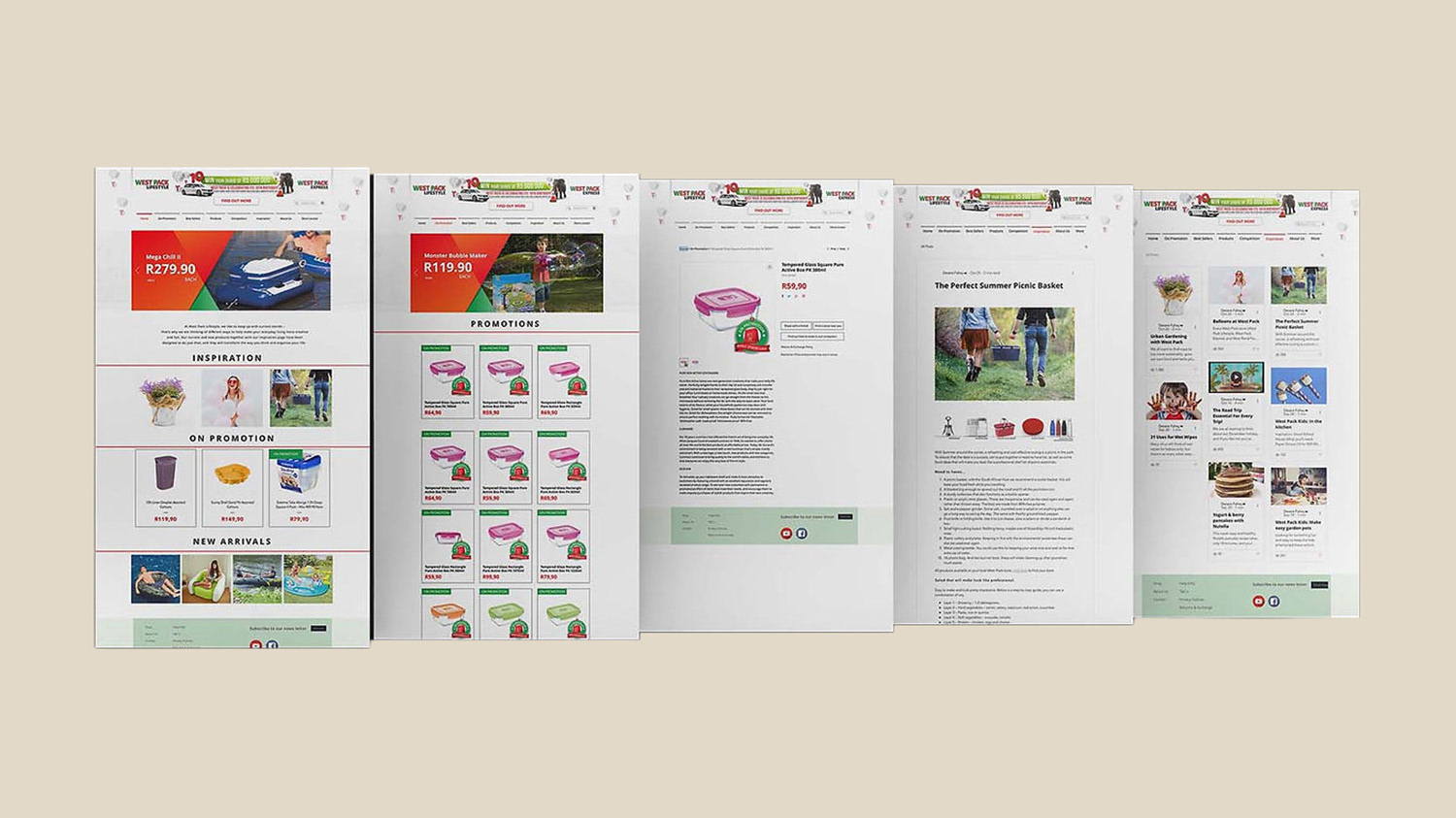
The website was underperforming from a customer experience perspective. The company was investing in analytics and Google Adwords, but the front-end experience was thin, difficult to navigate, and did not reflect the scale of the retail operation.

The print production process was expensive and inefficient. Each store relied heavily on in-house printing for promotional material, which seemed fast at first but created quality issues, cost leakage, and inconsistent brand presentation.

Internally, the business also needed to protect the family culture that had helped build loyalty. The CEO had grown through the company from the bottom up and understood the value of every employee, from warehouse staff to directors. But as the business expanded, that sense of connection needed to be intentionally rebuilt into the brand experience.

The strategic approach
My recommendation was to evolve the brand, not erase it.

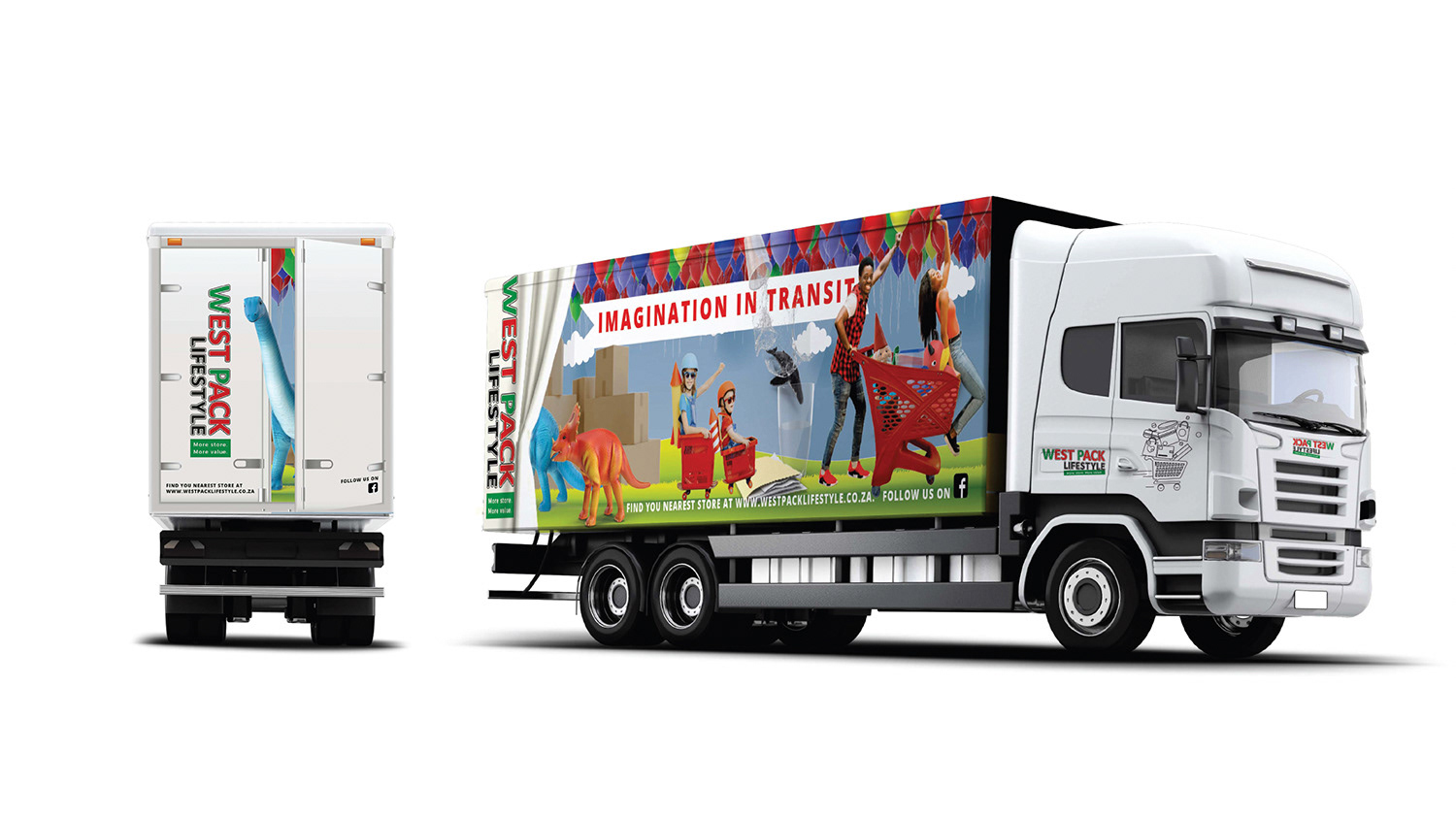
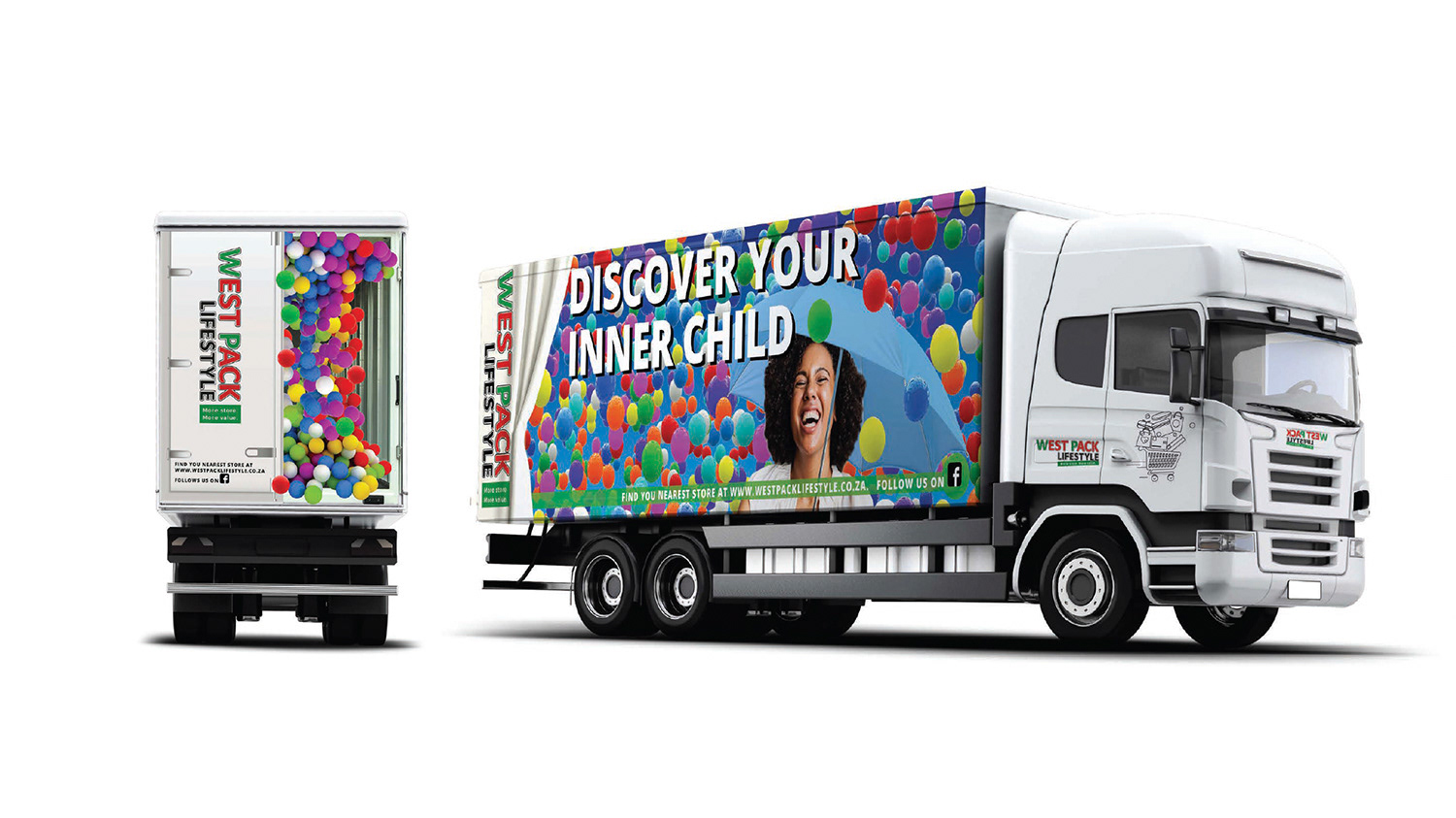
The visual identity needed to be cleaned up, standardized, and protected through a formal corporate identity system. The goal was to keep the recognizable WestPack presence while creating rules that could survive signage suppliers, franchise stores, print production, packaging, uniforms, and regional expansion.

A clear brand governance structure was developed around the relationship between WestPack Lifestyle and WestPack Express. This helped define what was shared, what was flexible, and what needed to remain consistent across formats.

A full brand manual was created in both digital and printed formats. This included logo usage, colour standards, typography, signage rules, promotional layouts, advertising templates, packaging principles, and supplier instructions.

A digital asset library was recommended and implemented to give stores and suppliers access to the correct files. This reduced the risk of outdated logos, incorrect colours, and locally recreated artwork being used across the business.

An internal brand manager was trained during the process. This was important because a brand manual alone does not protect a brand. Someone inside the business needs to understand it, manage it, explain it, and defend it when needed.

Internal brand and culture
One of the most important parts of the project was the internal brand work.
WestPack’s strength was not only its product range or pricing. It was also the culture behind the business. The company had grown from a family-led foundation, and employees played a major role in its success.

Customer and employee satisfaction surveys were run through WhatsApp, one of the company’s most practical communication channels. This helped gather useful feedback without forcing the business into a complicated research process that did not fit its daily rhythm.

The findings were handed over to Human Resources, who could build internal processes around employee satisfaction and induction. The brand essence was introduced into employee training so that the brand became more than a visual system. It became part of how people understood their role in the customer experience.

The CEO also made planned and unplanned visits to stores, helping reconnect leadership with employees and reinforcing the idea that the brand was still built on people, not only retail growth.

Creative operations and production
The internal marketing and design team had potential, but they needed structure. Training was recommended and supported through the company’s staff development approach.

The team was guided on template use, layout discipline, brand consistency, promotional design, and production standards. This allowed the business to keep work moving internally while relying on external specialists for more technical requirements.

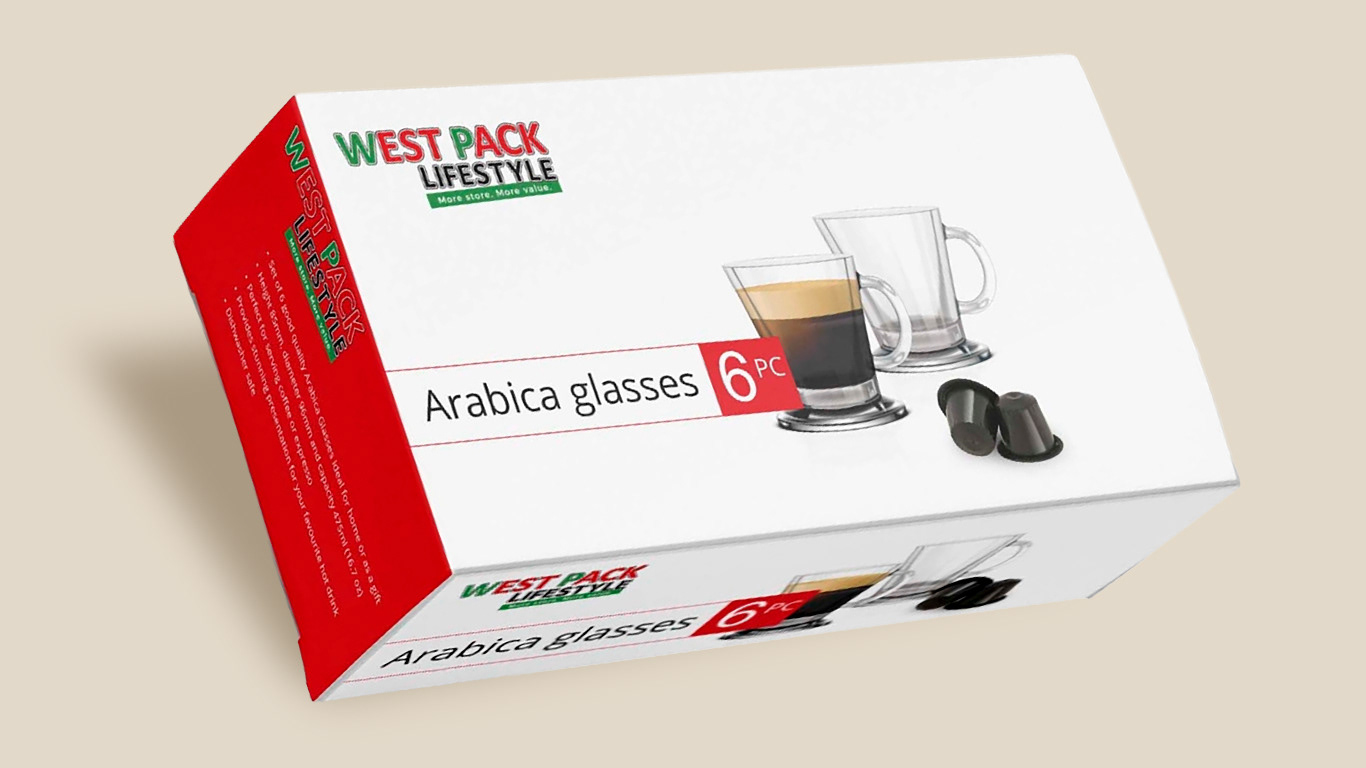
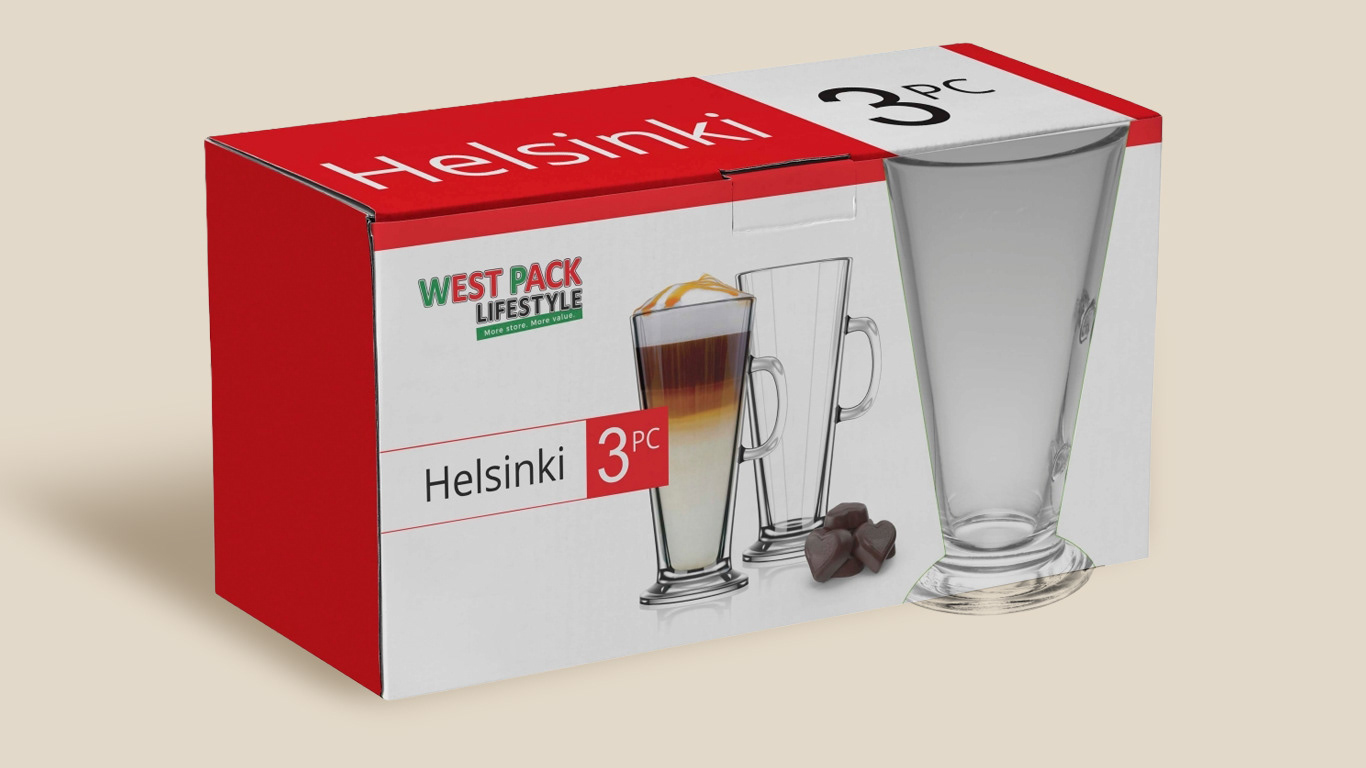
Packaging remained a specialist area because of the production complexity, especially with printing and manufacturing partners in China. Core packaging templates were created externally, then handed over in a way that allowed basic typographic updates to be managed more efficiently.

Print production was also reviewed from a cost and consistency perspective. Although the business initially preferred each store to print its own promotional material, a cost comparison showed that outsourcing to a national print supplier could reduce waste, improve quality, and maintain speed through approved templates.

The solution was not to remove flexibility. It was to make flexibility safer.

Website and digital recommendations
The website was identified as a major weak point in the customer journey. Paid traffic was being driven to a site that did not fully support the brand or the user experience.

The backend analytics were strong, but the front-end experience needed improvement. The site needed clearer navigation, stronger product categories, better promotional structure, improved store information, stronger visual hierarchy, and richer content that reflected the scale of the business.

At the time, many South African consumers were still cautious about online shopping and preferred to shop in-store. Even so, the website still mattered because it shaped trust before a customer ever walked into a store.

A weak website does not just lose clicks. It quietly chips away at confidence. Very dramatic for a webpage, but here we are.

Outcome
The work helped WestPack move from an informal identity into a more controlled, scalable brand system.

The project delivered a standardized corporate identity, a clear relationship between WestPack Lifestyle and WestPack Express, a digital asset library, trained internal brand ownership, improved promotional templates, stronger production processes, packaging support, staff brand training, uniform rollout, and website recommendations.

The business continued its growth from 47 to 50 stores in South Africa and expanded into Namibia with three additional stores. The brand work also ran alongside the development of Petzone, adding another layer of brand architecture and retail expansion to the broader business strategy.

Reflection
This project was a reminder that brand strategy is not decoration. It is infrastructure.
A brand can become successful before it becomes structured. In fact, that is often exactly what happens. The business moves fast, customers respond, stores open, teams grow, suppliers multiply, and suddenly the brand is being recreated by everyone except the people responsible for protecting it.

The role of strategy is to pause long enough to ask what should stay, what should change, and what needs to be governed before growth creates more damage.

For WestPack, the answer was not to make the brand look completely different. It was to help the brand grow up without losing the familiarity, practicality, and human connection that made it work in the first place.
Back to Top