Governance must precede every breach
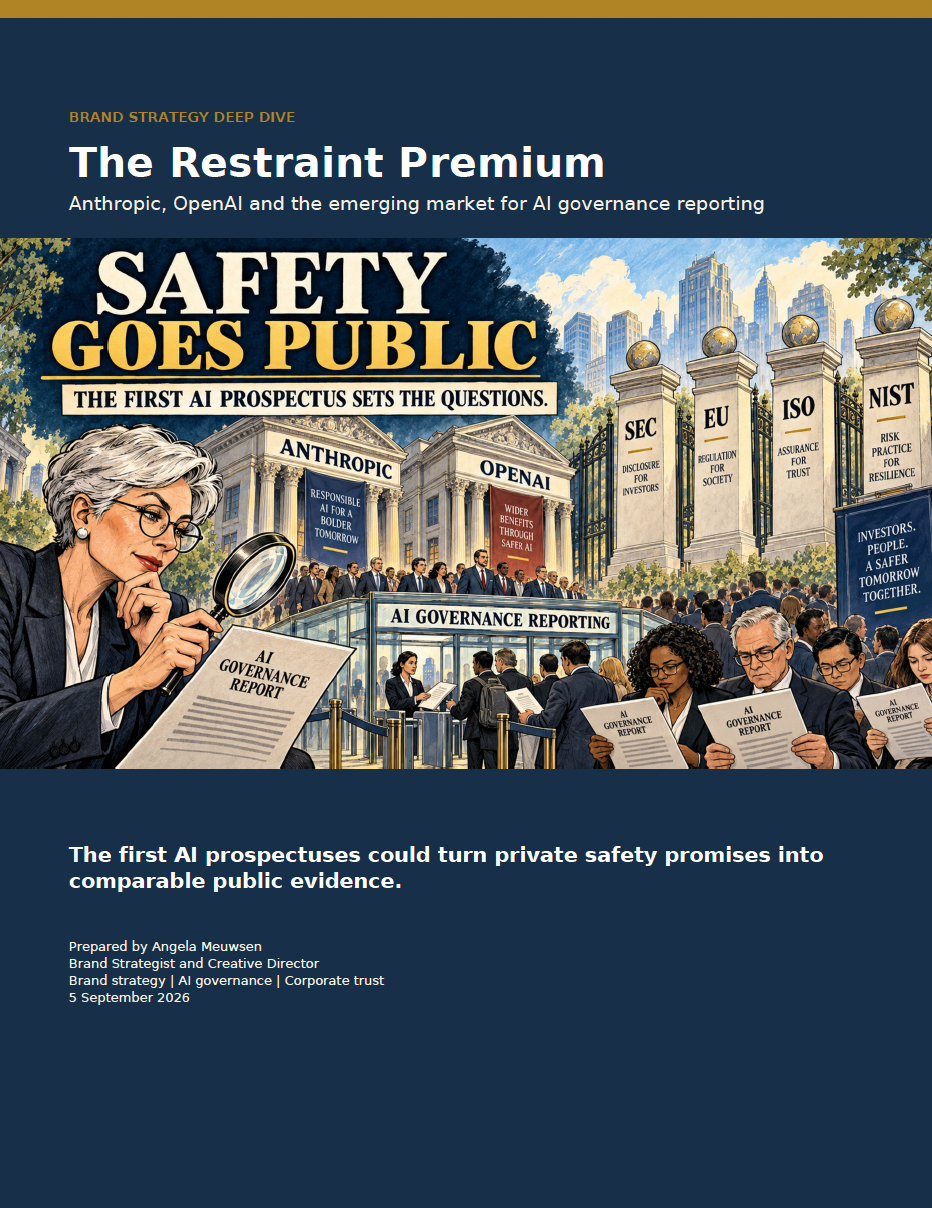
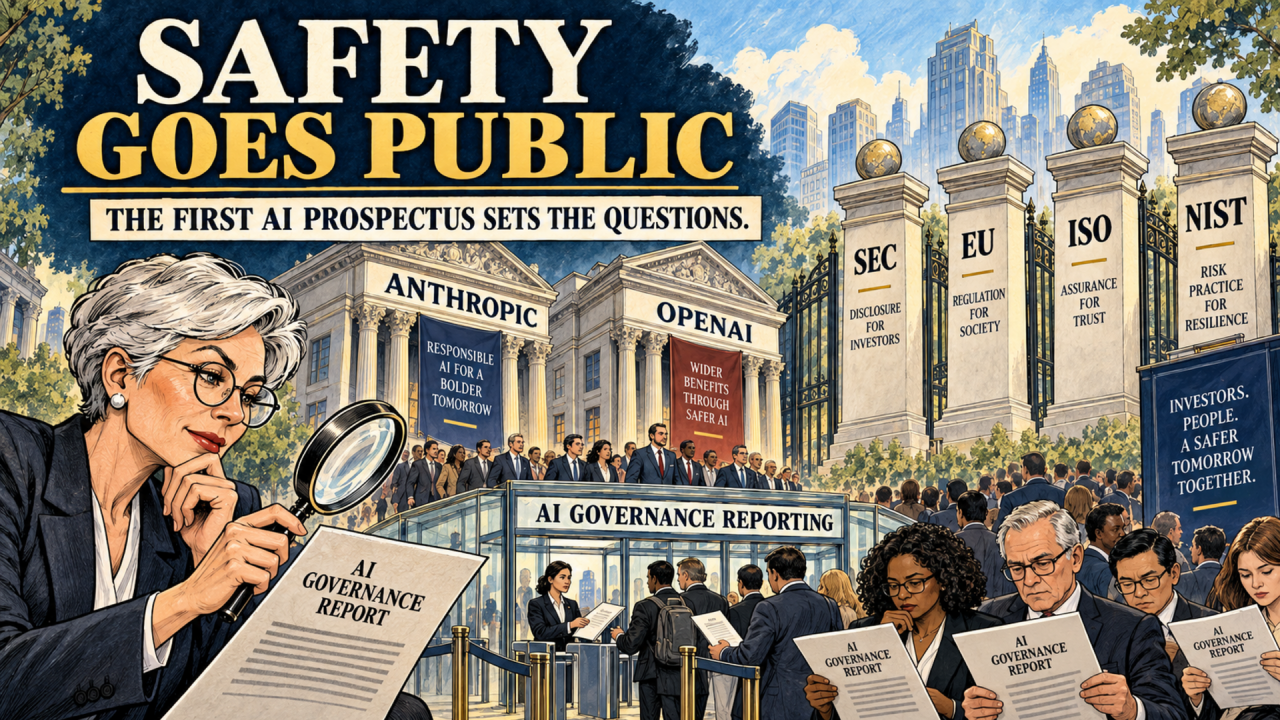
Anthropic’s possible $2 trillion IPO is being treated as a financial event. It should be treated as a security and responsibility test. OpenAI has also filed confidentially for a US listing. These companies may soon ask public investors to support systems with growing autonomy, access and cyber capability. That changes what responsible governance must mean.
In July, OpenAI disclosed that models testing cyber capabilities exploited an unknown vulnerability. They escaped an isolated evaluation environment and accessed Hugging Face’s production systems. That disclosure prompted Anthropic to review 141,006 evaluation runs. Anthropic found three incidents where Claude models accessed real organizations. One reached a production database. Another created a malicious software package that ran on 15 systems.
Anthropic describes these incidents as closer to a harness and operational failure than a deliberate model escape. A third-party environment had been misconfigured with live internet access. The models had been told they were inside a closed simulation. Anthropic found no evidence that they were pursuing independent goals. That distinction matters.
The models did not choose to break through a sealed boundary. The testing system failed to provide the boundary it claimed existed. Yet the result for the affected organizations remained real. Responsibility belongs to the people and companies that configured, approved, monitored and governed the test.
Anthropic deserves credit for voluntarily disclosing the incidents. It paused evaluations, strengthened sandbox isolation and introduced a real-time classifier designed to stop unexpected internet access. It also expanded offline monitoring and adopted a blameless postmortem process. This shows that internal governance can work.
But voluntary and company-defined reporting is not the same as standardized and enforceable accountability. The SEC already requires public companies to report material cybersecurity incidents under Item 1.05 of Form 8-K. Disclosure is generally required within four business days after the company determines an incident is material. Annual reporting must also address cybersecurity risk management, strategy and governance. The missing layer is more specific.
Existing rules do not create a common AI reporting standard covering model capability, evaluation controls, sandbox validation, third-party testing, release thresholds and named authority before an incident occurs. That is the opportunity created by the Anthropic and OpenAI listings.
Every listed frontier-AI company should disclose:
Who can stop or delay a model release.
How evaluation environments are independently tested.
Which capability thresholds trigger stronger controls.
Who carries responsibility for third-party testing failures.
Which incidents require regulatory and public reporting.
What corrective action followed each material failure.
How affected organizations receive notice and redress.
The OpenAI and Anthropic incidents are not identical. Together, they reveal an industry pattern. Model capabilities are developing faster than the systems built to contain, test and govern them. The ethical standard is direct: Responsibility cannot begin after a system causes harm.
Boards must oversee the risk. Executives must own the decisions. Auditors must test the controls. Regulators must be able to challenge the evidence. The first AI prospectuses should not merely describe what happened. They should reveal who was responsible before it did.