AGRICULTURE | BRAND ARCHITECTURE | CONSUMER RECOGNITION
Executive Snapshot
Marlo Farms is an agricultural business in Limpopo, South Africa. By 2017, it had a respected farming reputation and established trade relationships, but limited consumer recognition.
The Strategic Challenge
Fresh produce moved from farm and packhouse through agents, wholesalers, retailers and traders before reaching consumers. Each intermediary increased the distance between grower and buyer. Marlo’s quality could be experienced without its name being remembered.
The business also included several operations and product ranges. Without a clear master narrative, its scale and expertise were difficult to understand outside the farming community.
How could Marlo Farms convert trade reputation into visible recognition without weakening channel relationships?
My Role
As Brand Strategist and Creative Director, I led the strategy, positioning, identity and rollout. My work covered the logo, identity manual, architecture, packaging, website and brand applications. Research included market structure, tomato-category data, competitors and the customer journey.
The Strategic Response
The strategy positioned Marlo Farms around disciplined production, year-round supply intelligence and visible quality. The central idea was: “From respected farm to recognised brand.”
Marlo Farms became the masterbrand, with operating businesses and product ranges presented through an endorsed architecture. Divisions retained specialist relevance while building recognition for the wider group.
Audiences included agents, wholesalers, retail buyers, traders, consumers, growers, seedling buyers, staff and communities. Messaging addressed consistency, supply assurance, freshness, familiarity, trust and technical confidence.
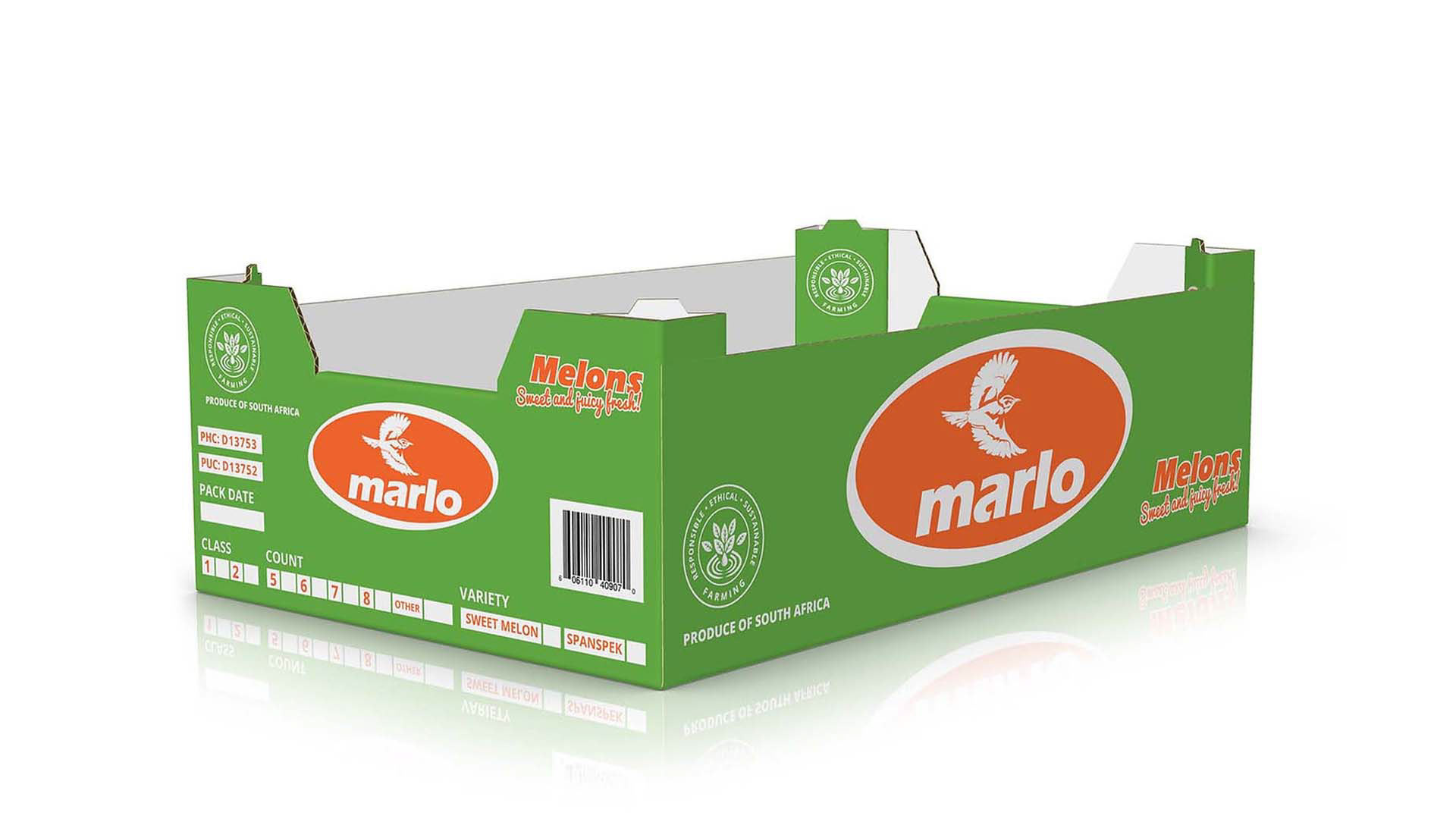
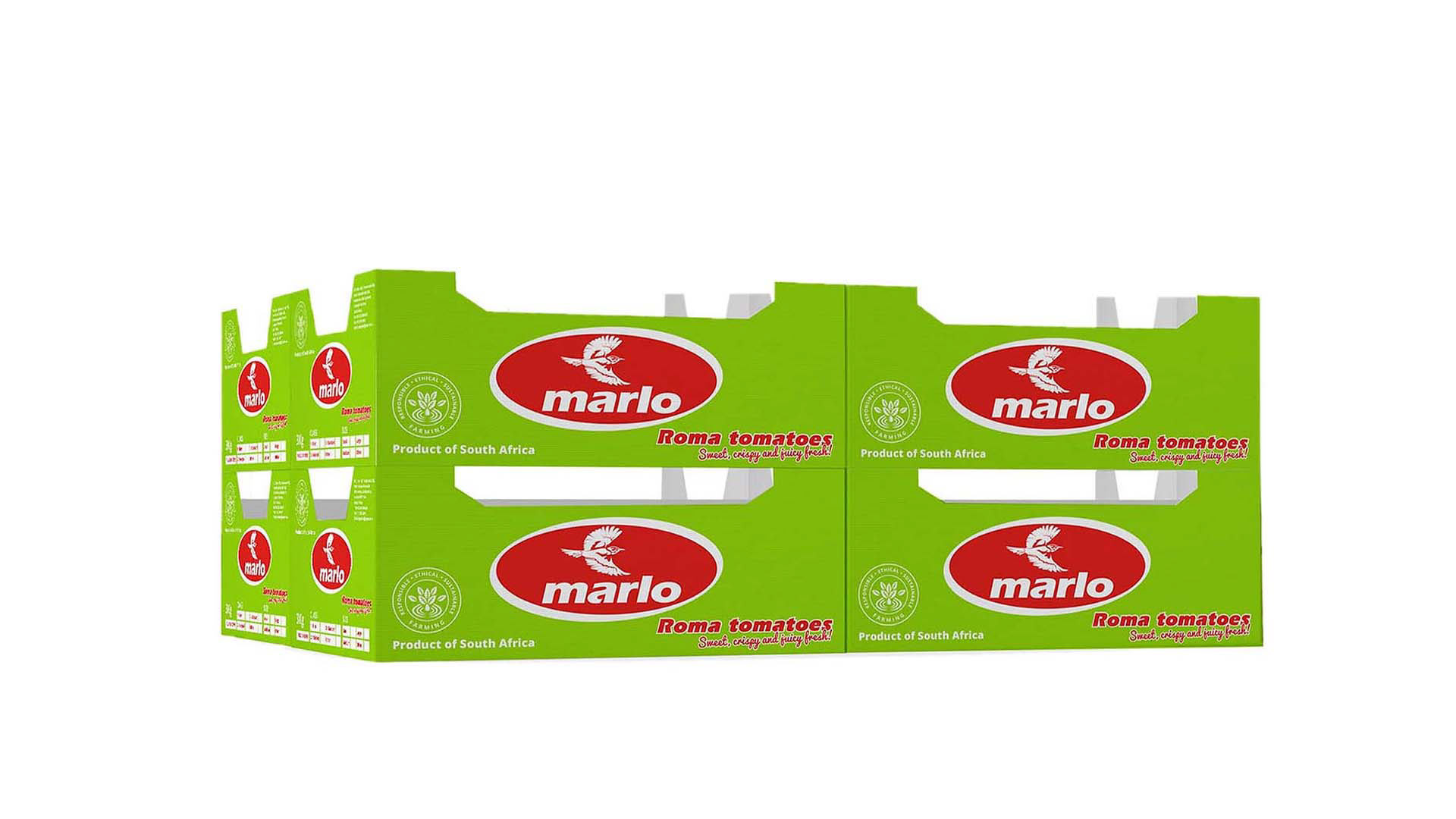
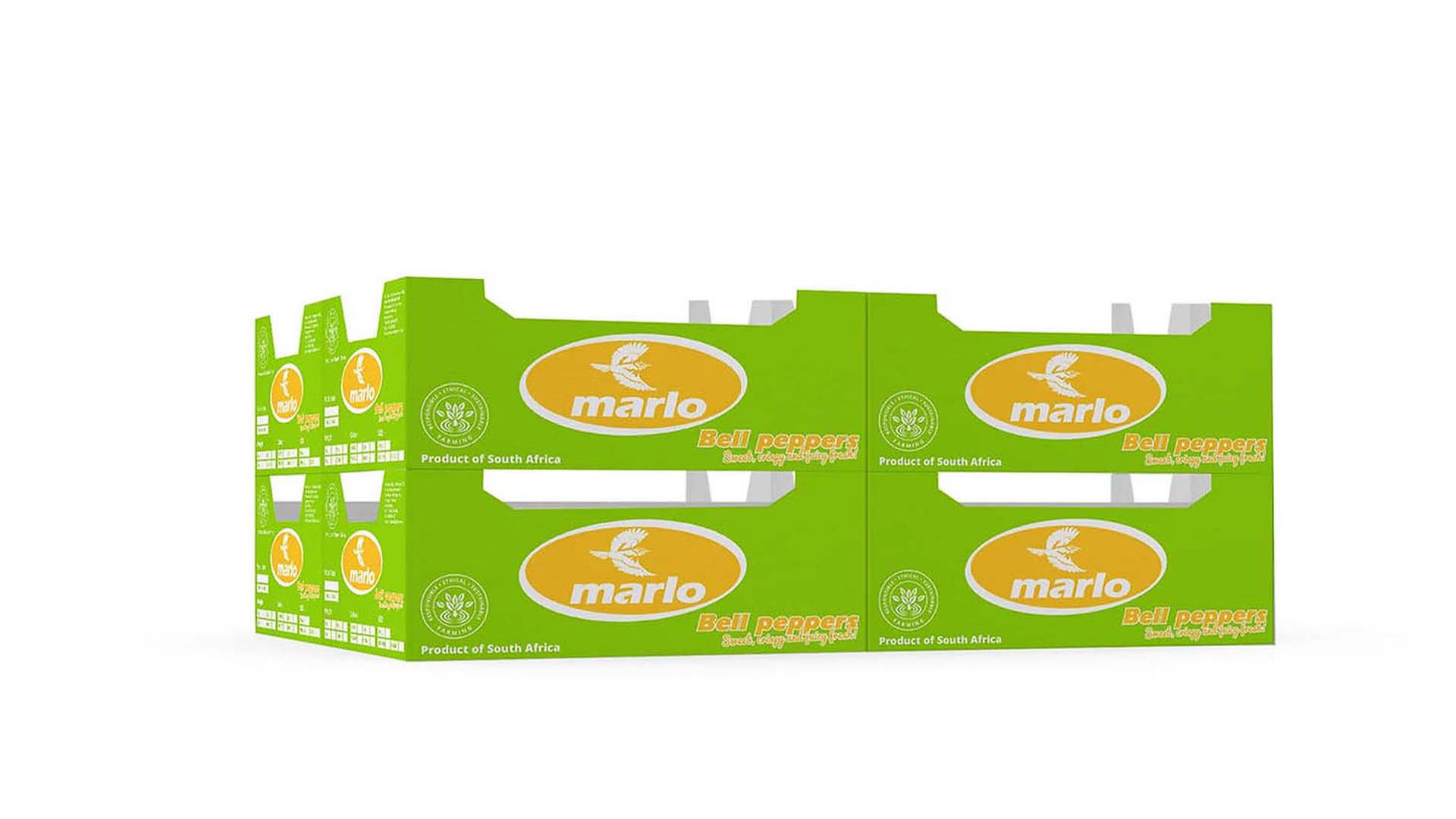
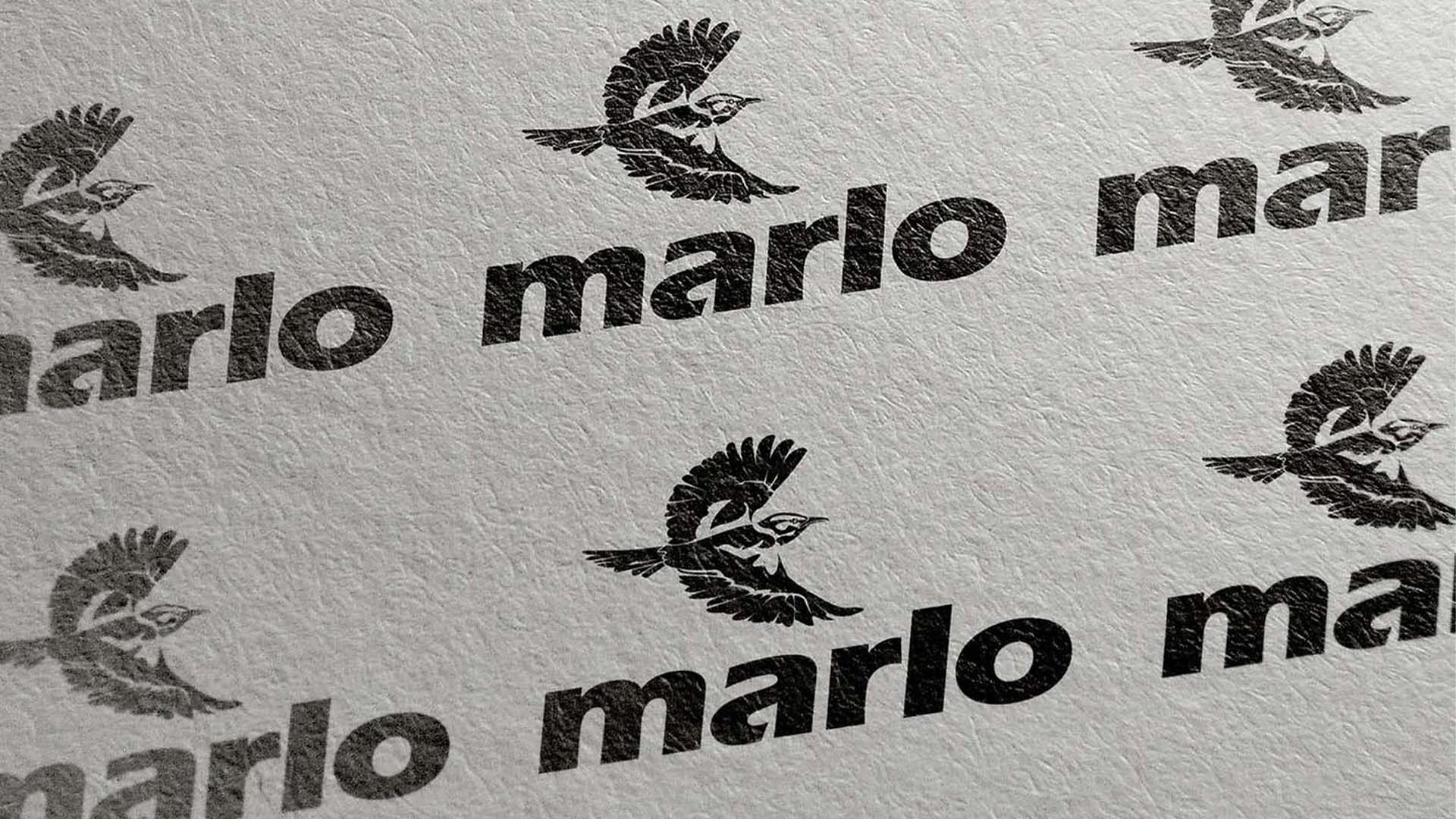
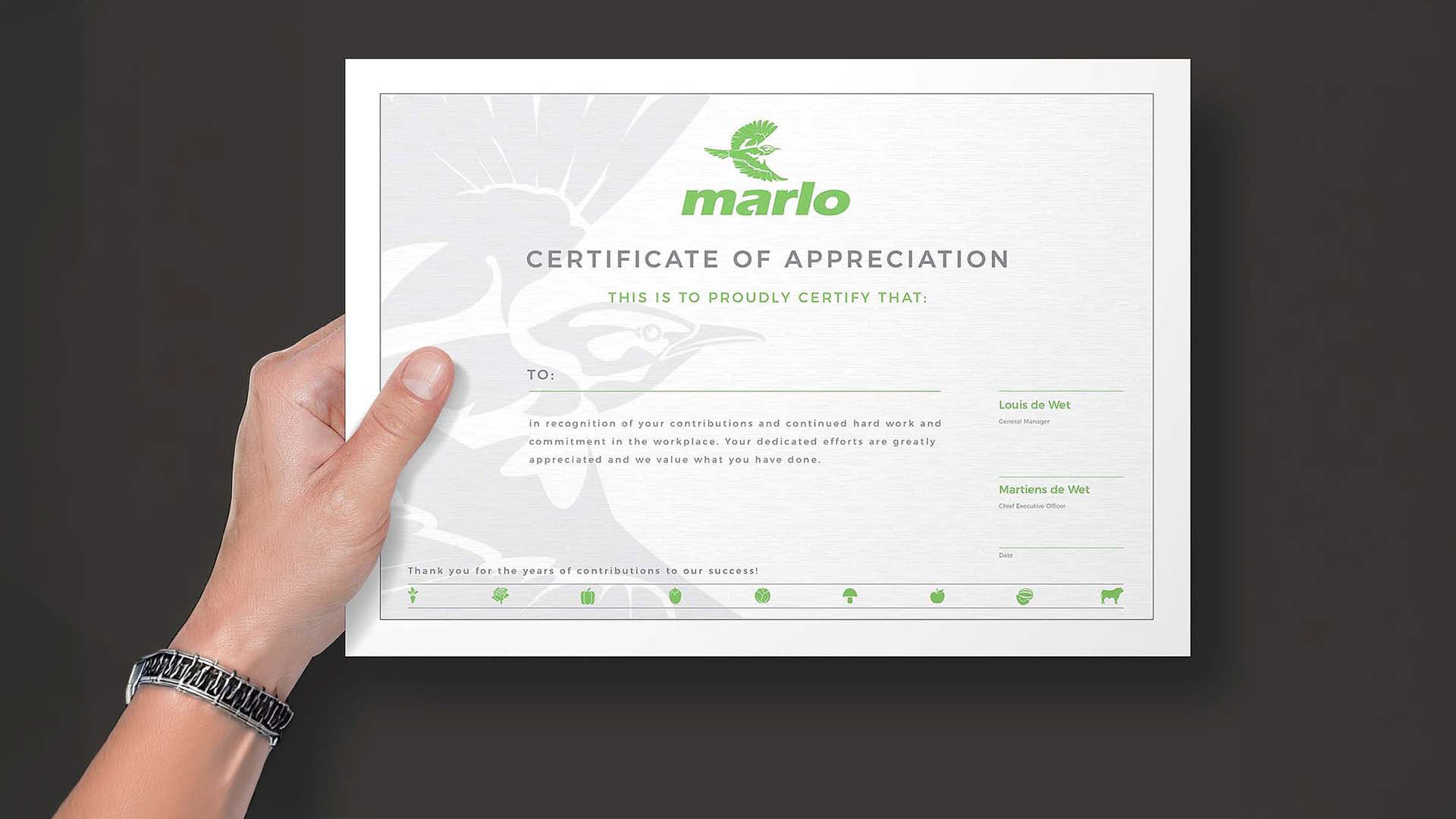
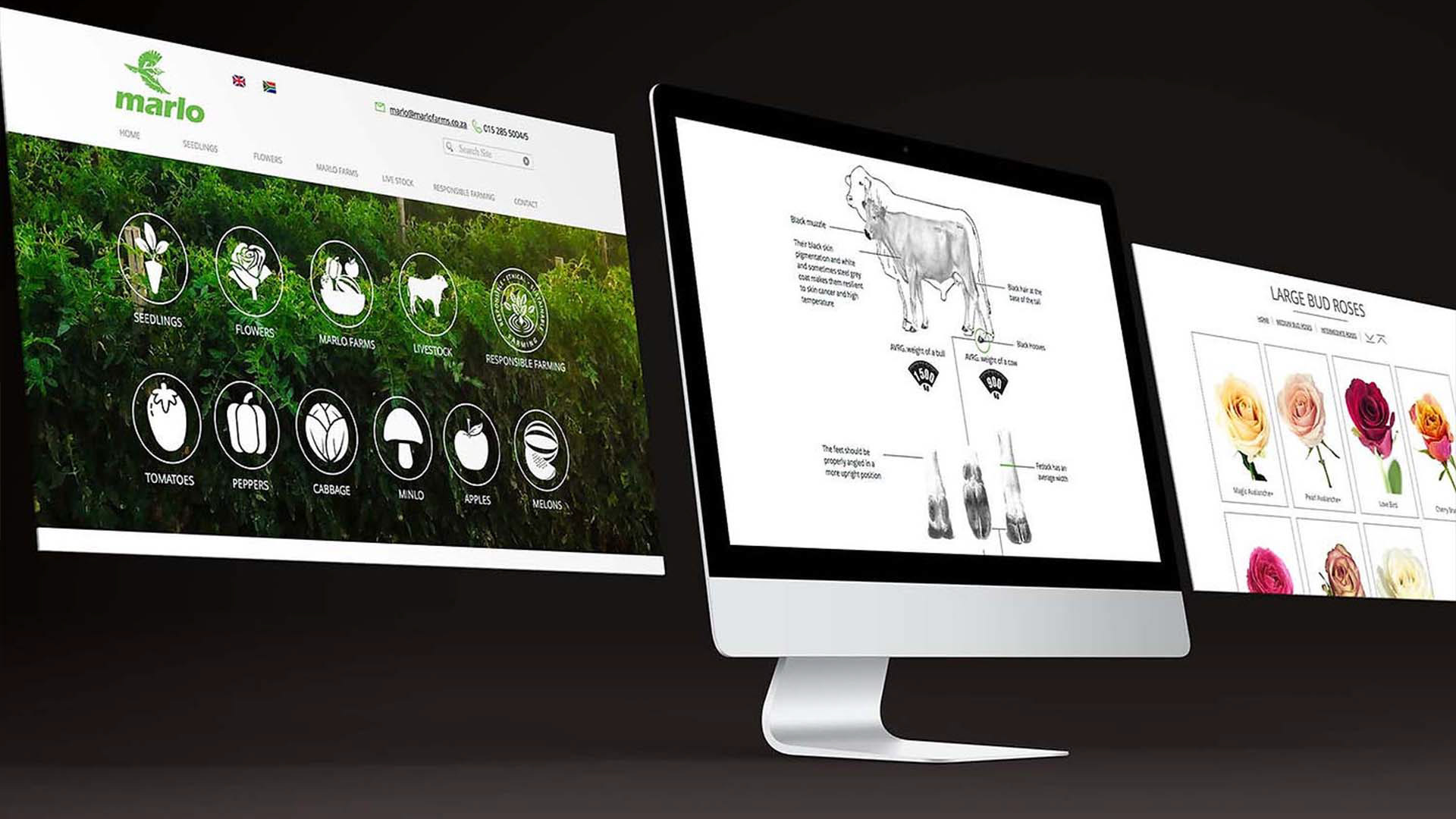
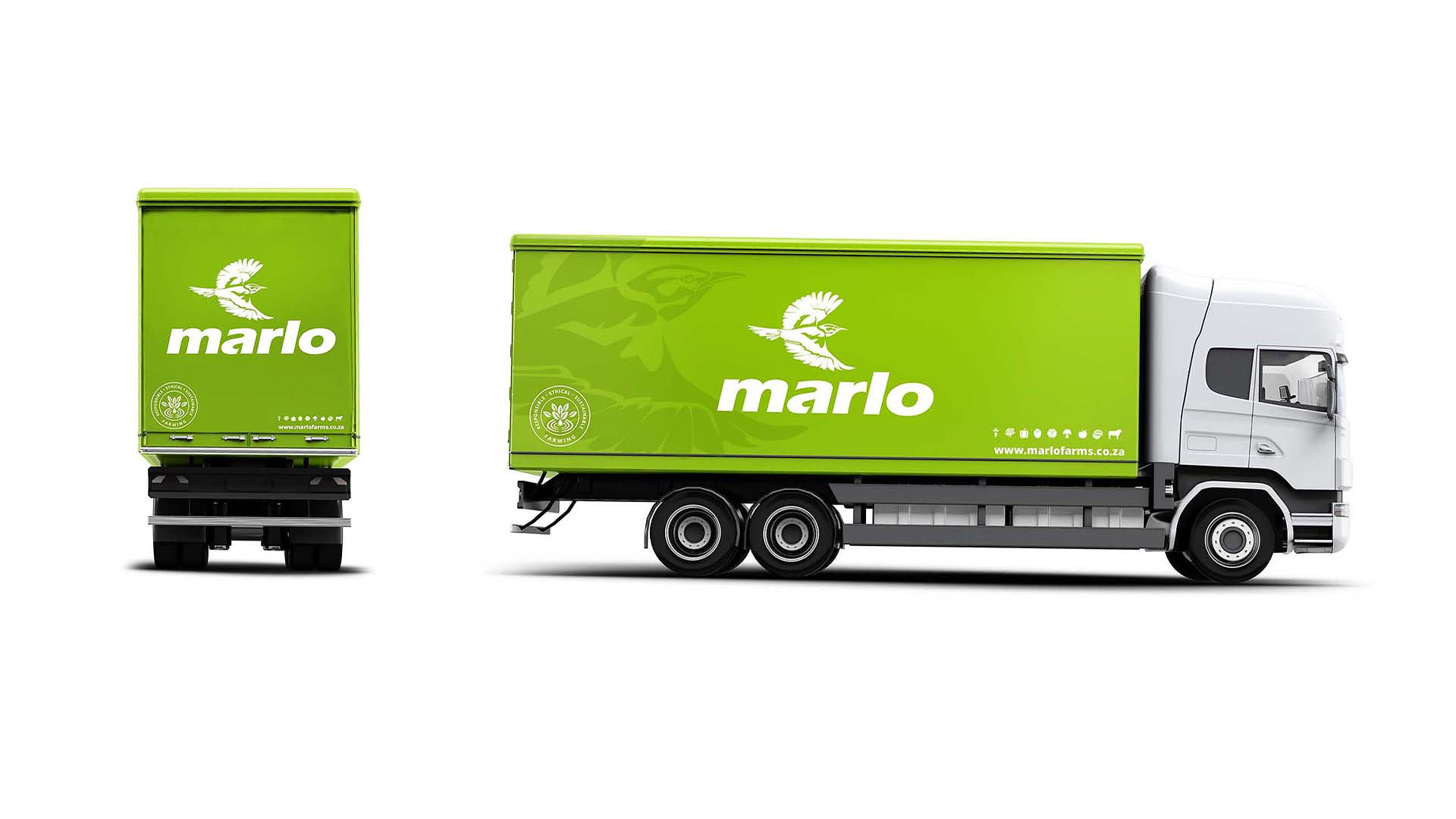
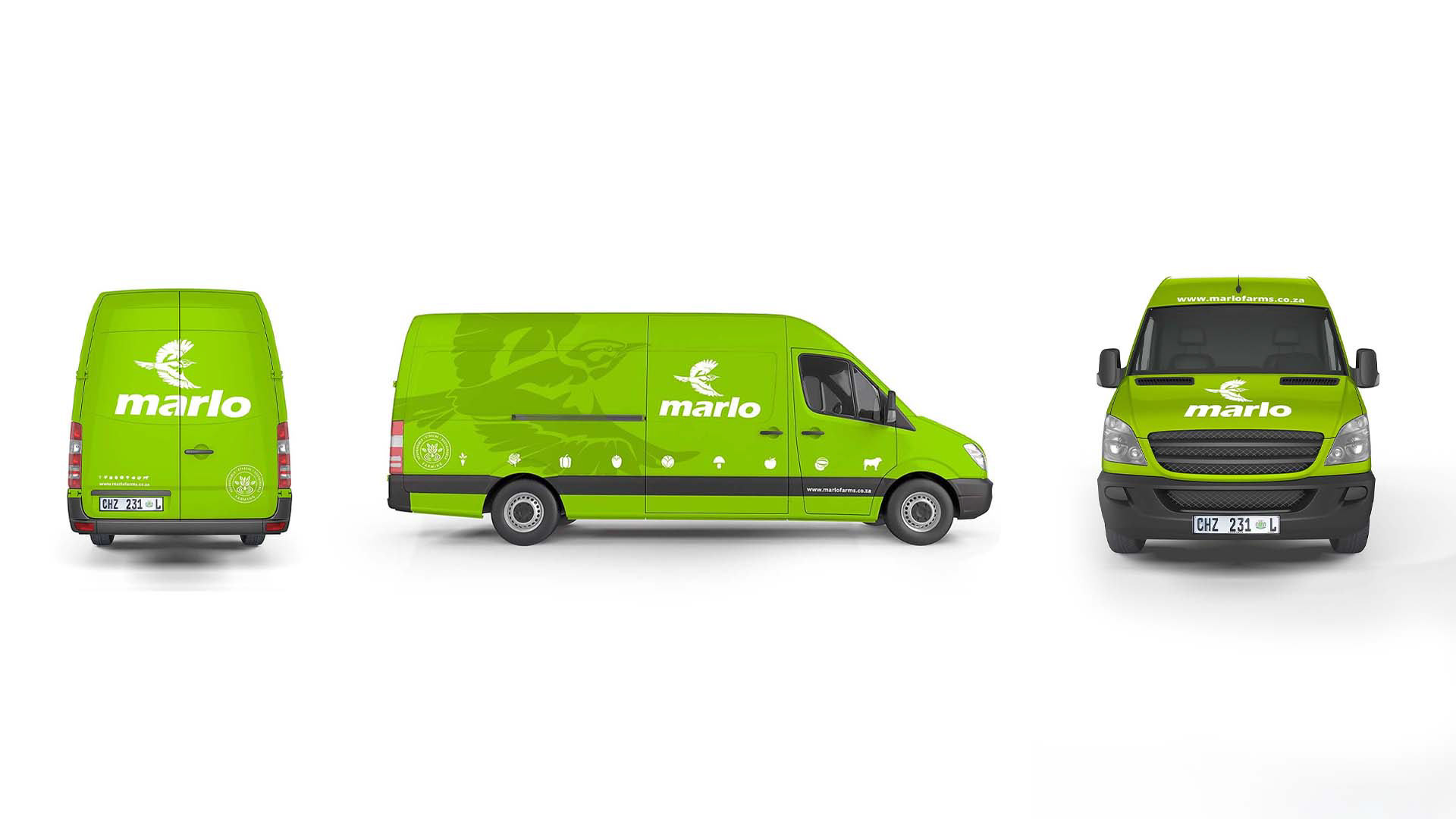
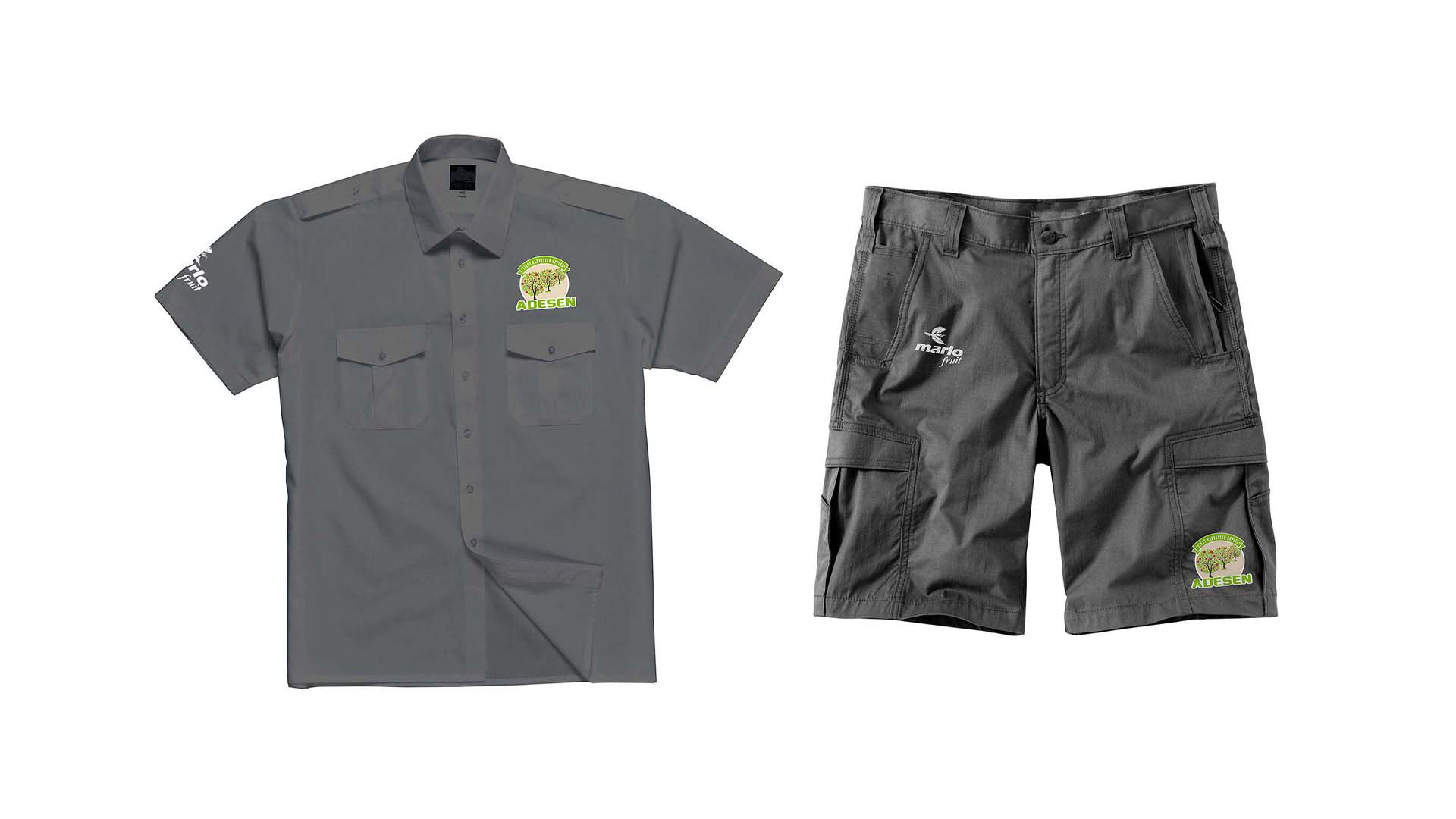
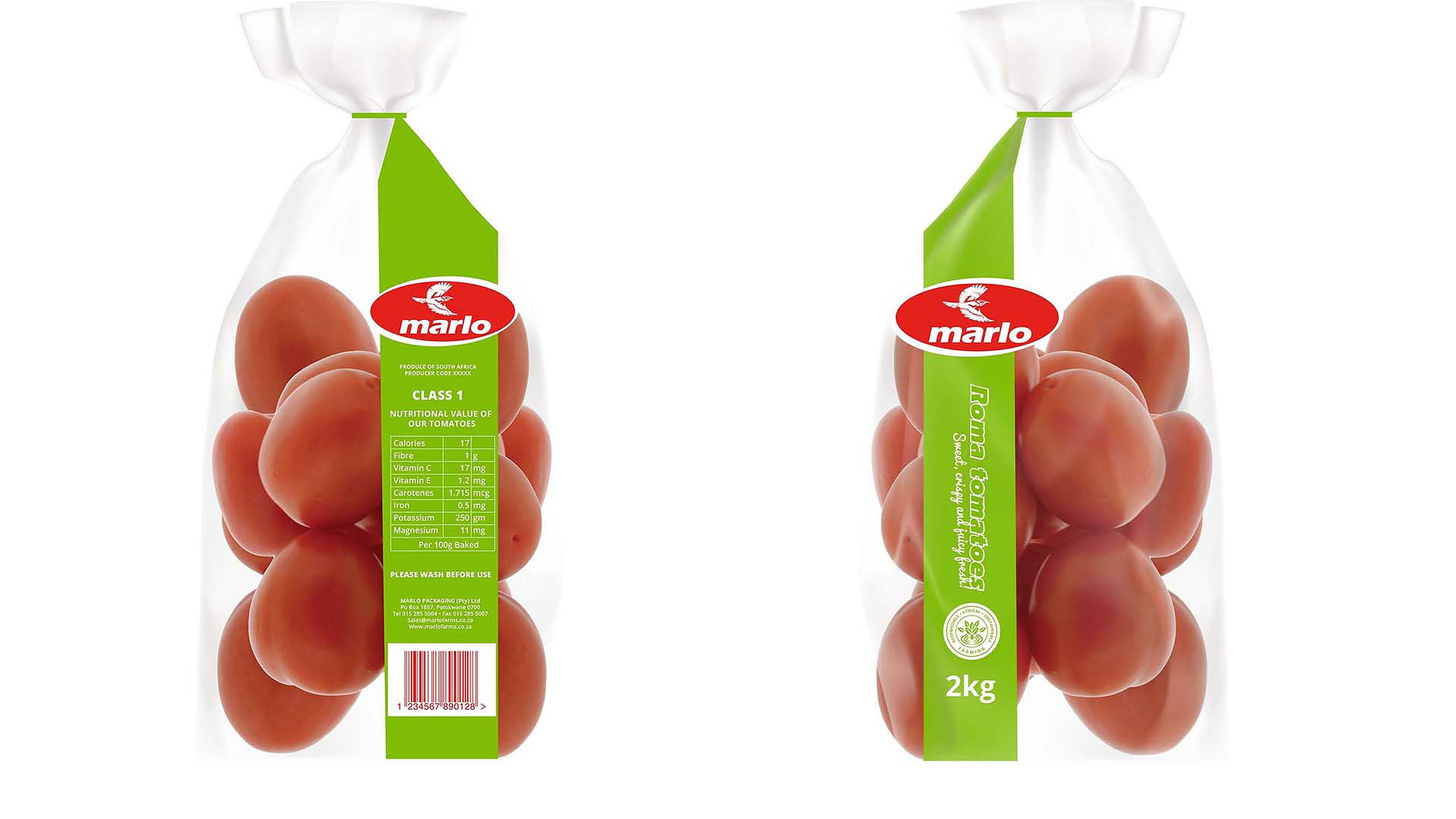
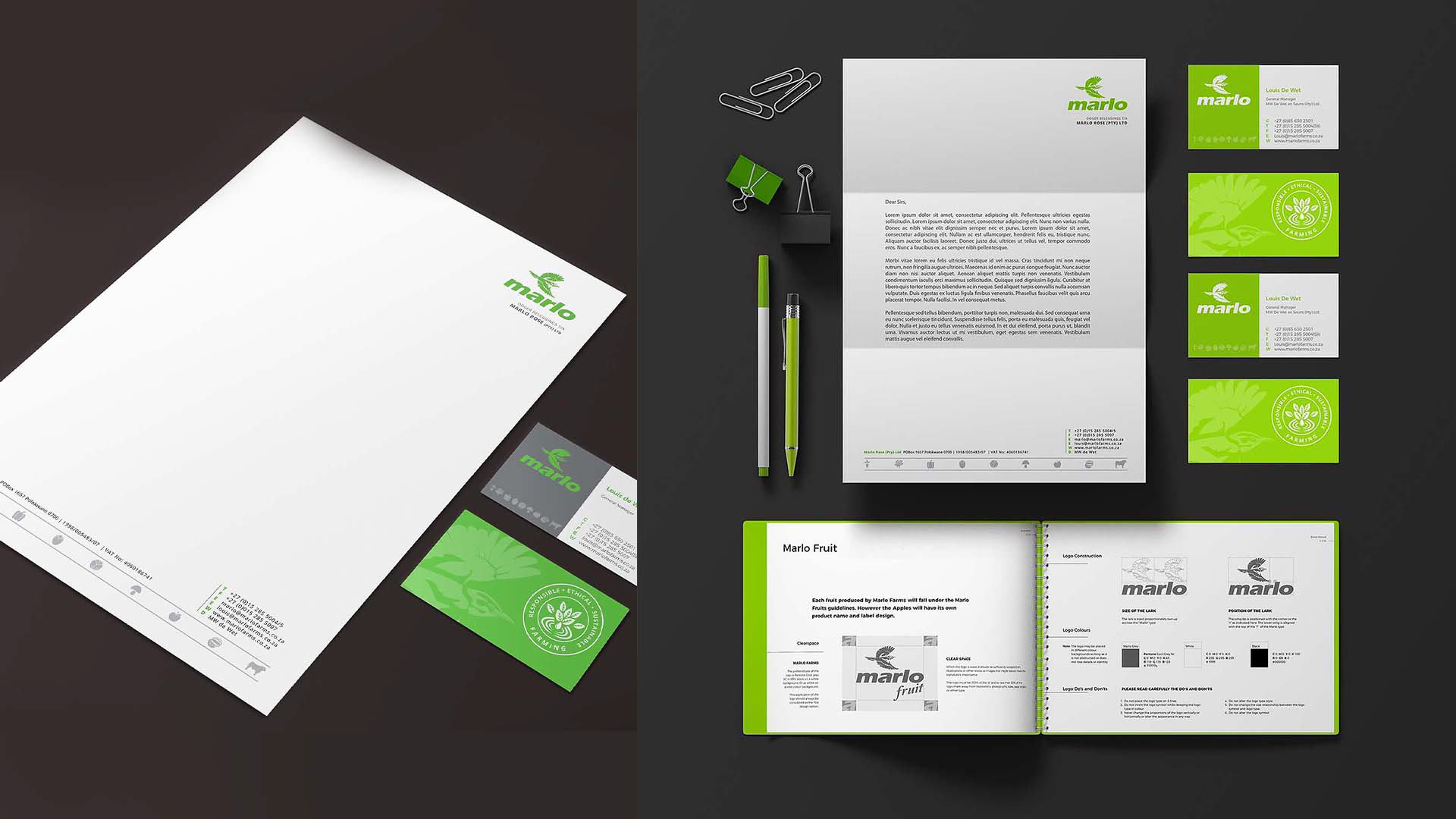
A green-led identity, bird device and photography created a recognizable system across packaging, fleet, apparel, website, signage and corporate material. The brand manual supported consistent implementation.
The three-year model moved from recognition to familiarity and then preference. These were strategic objectives, not claimed results.
Business and Brand Value
The strategy connected Marlo’s operational reputation with a visible source brand. It allowed product quality, year-round capability and farming knowledge to build recognition across trade and consumer audiences.
What This Project Demonstrates
Agricultural brand strategy, masterbrand architecture, B2B and consumer positioning, value-chain analysis, segmentation, identity systems, packaging, digital direction and governance.
View the Strategy Documents
The 2017 strategy presents the original direction. The later gap and microeconomic review evaluates it against current market conditions without rewriting its historical context.
Download