FOOD BRAND SYSTEM | PRODUCT ARCHITECTURE | STARTUP GOVERNANCE
Executive Snapshot
EggOnomics was a 2019 Johannesburg startup supplying free-range eggs from farm to professional kitchens.
Restaurants, cafés, caterers and food producers needed consistent grading, predictable delivery, pricing and less admin. The brand had to make that operational value visible.
The Brand System Challenge
“Free-range” was familiar language, so product claims alone would not create distinction. As a new supplier, EggOnomics also needed to build credibility quickly.
Pack formats, routes, sales tools and ordering had to work together. The identity needed local warmth and B2B discipline.
My Role
As Brand Strategist and Creative Director, I led the positioning, naming, identity, product architecture and go-to-market plan. I linked the promise to packaging, fleet, ordering and launch priorities.
The Governance Response
I positioned EggOnomics as an artisanal but operational supplier. Its promise centred on fresh eggs, consistent quality, reliable delivery and sensible pricing.
The name joined clear category recognition with a playful economics cue. It signalled smart value without making the offer feel cheap.
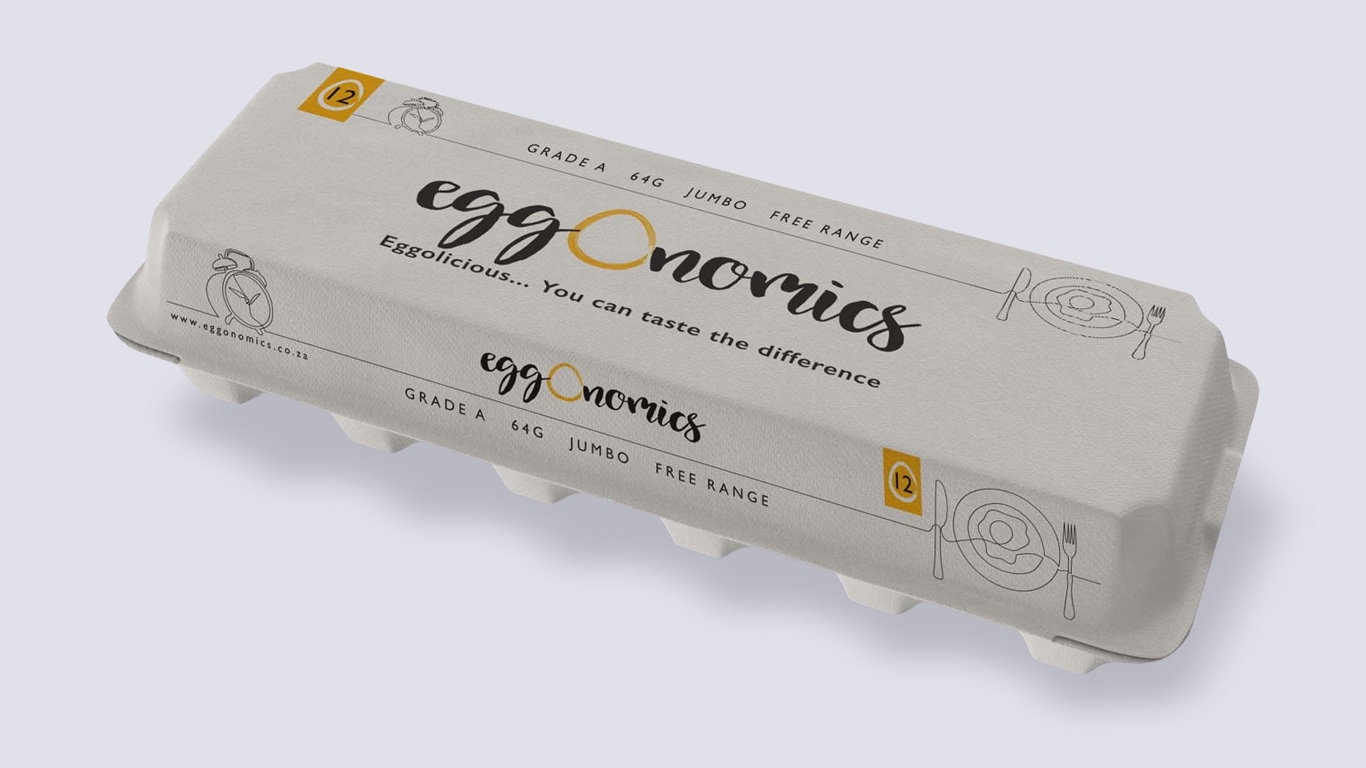
A masterbrand structure organised Large, XL and Jumbo eggs across 30-egg trays and 6- or 12-egg cartons. This gave sales, fulfilment and customer communication one product language.
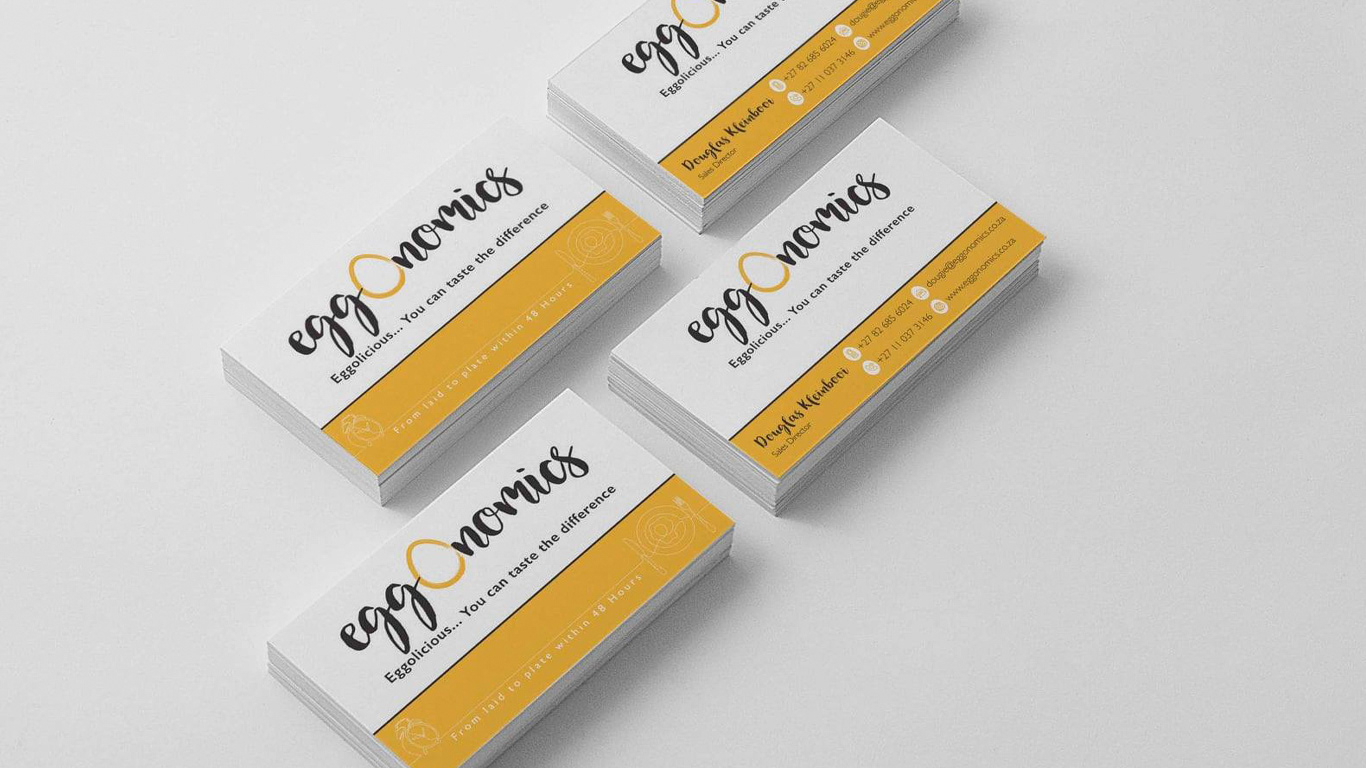
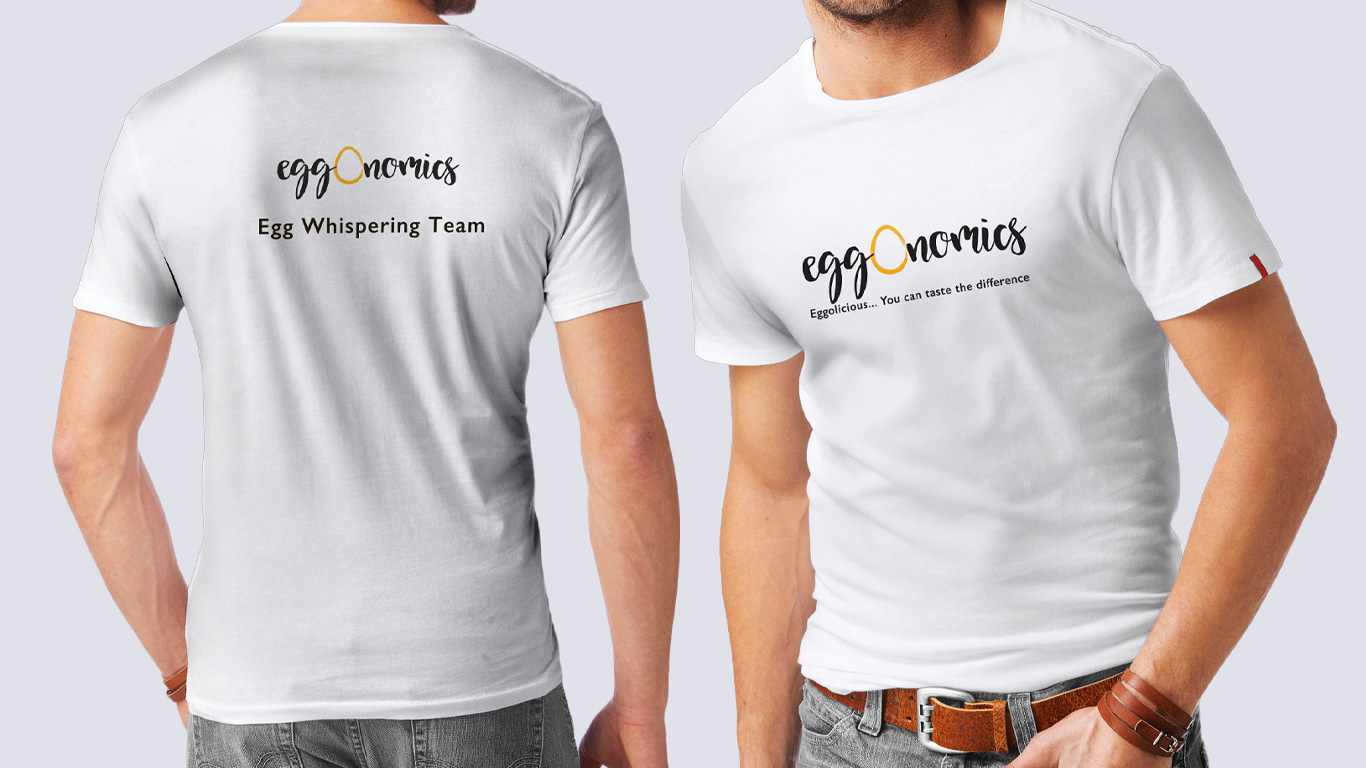
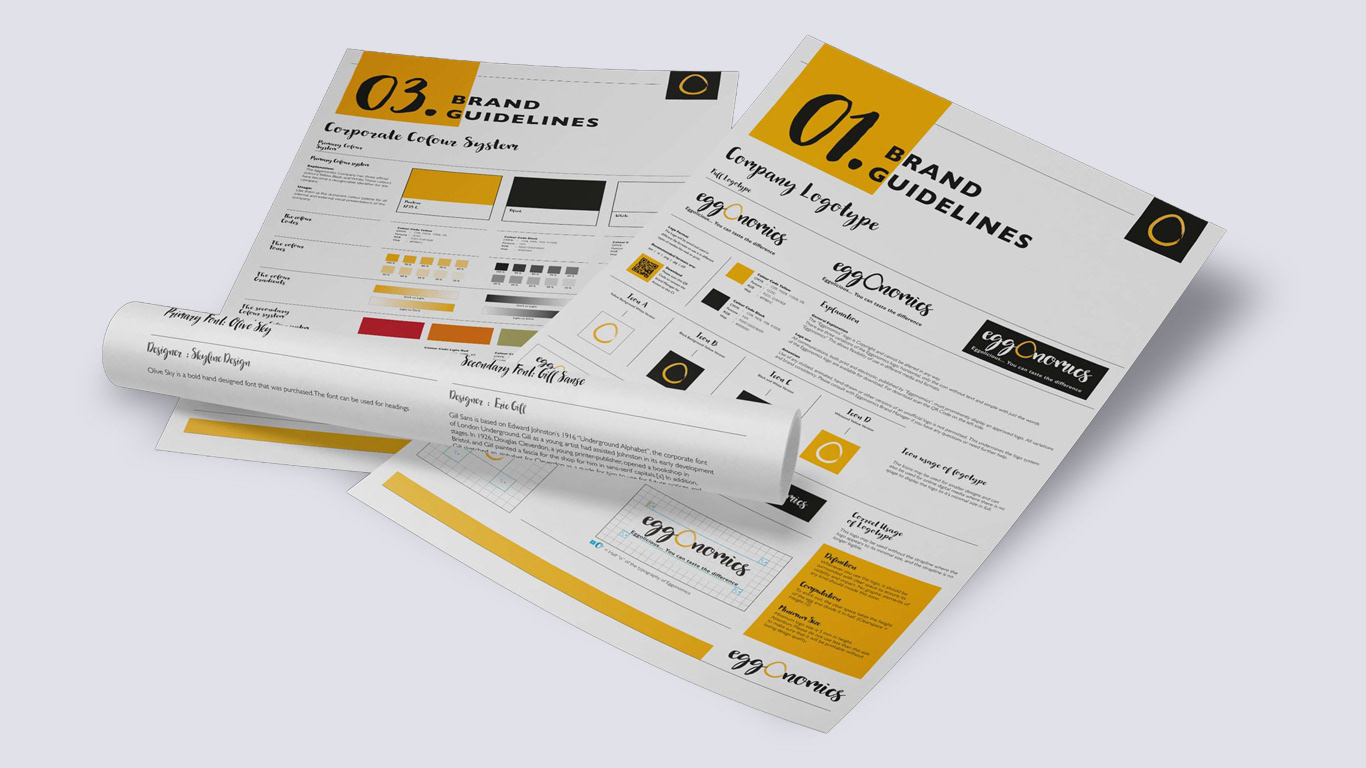
Yolk yellow created an appetite-led signature. Charcoal, white and grey added clarity. Rules covered cartons, trays, vehicles, uniforms and delivery materials, focusing the system on touchpoints where buyers would test credibility.
A lean website and WhatsApp ordering kept access simple. Sales kits combined samples, specifications, pricing and reorder steps. Launch activity prioritised dense Johannesburg delivery nodes, anchor accounts and chef referrals before expansion.
Measurement linked the promise to recurring orders, on-time delivery, quality issues, margin, trial-to-repeat conversion and referrals. The goal of 15 to 30 recurring accounts in six months was a launch target, not a claimed result.
Business and Brand Value
EggOnomics shows how governance can shape a startup before complexity takes hold. Positioning, product structure, identity and service delivery were designed as one operating system.
The business later closed following partner disputes, so no sustained commercial outcome is claimed. The project demonstrates a market-aware foundation for launch, consistency and repeat buying.
What This Project Demonstrates
Startup brand strategy, B2B positioning, naming, product architecture, packaging systems, design governance, go-to-market planning, customer journeys and commercial measurement.
View the Brand System
Explore the strategy, identity, product structure and launch system.