CEO SleepOut South Africa
Turning Borrowed Awareness into Brand Ownership

When CEO SleepOut launched in South Africa, it gained fast attention through its association with 702 radio. The concept was strong: senior business leaders would spend one winter night outside to raise awareness and funds for vulnerable communities.

The first event was successful. It attracted CEOs, sponsors, media coverage, and public interest. But the success exposed a brand problem.

The event did not look or feel like an independent nonprofit platform. The 702 brand was visually dominant, which made CEO SleepOut appear more like a radio-led campaign than a standalone cause brand.

For the launch, that partnership helped. It gave the event reach, credibility, and momentum. But for future growth, it created confusion around brand ownership.
CEO SleepOut had borrowed awareness from 702. Now it needed to build equity of its own.

The Challenge
The issue was not visibility. It was attribution.

People noticed the event, but the wrong brand risked getting the credit. The strong 702 presence made it harder for CEO SleepOut to stand independently. It also created a sponsorship challenge. New sponsors could feel like they were joining someone else’s platform instead of investing in a cause with its own identity.

The brand needed to shift from a media-backed event to an independent social-impact platform.

It also needed to manage the risk of being seen as performative. A CEO sleeping outside for one night can be powerful, but it has to be handled with care. The message could not suggest that one night outside equals understanding homelessness. It had to focus on awareness, funding, leadership responsibility, and measurable impact.

My Role
I was first brought in to support Empathy, a publication created to tell the story behind CEO SleepOut. That work led to a meeting with the South African Chair and owner of the organization.

After reviewing my background in creative direction, brand strategy, publication design, and corporate communications, I was brought on as Fractional Creative Director and Brand Strategist.

The project quickly moved beyond publication design. The organization needed a brand reset.

The Strategic Insight
CEO SleepOut had visibility, but it did not fully own the equity created by that visibility.
The 702 partnership helped launch the event, but the brand hierarchy made 702 look like the owner instead of the media partner.

The strategic shift was clear:
• From media-led visibility to cause-led ownership.
• From a one-night event to a leadership-for-impact platform.
• From sponsor placement to sponsor value.

The Strategy
The brand was repositioned as an independent social-impact platform that challenges business leaders to step out of comfort and turn empathy into action.

The core idea was:
Lead with empathy. Wake up with responsibility.
This helped move the brand away from event promotion and toward leadership accountability.

The new positioning focused on four key areas:

1. Make CEO SleepOut the master brand
CEO SleepOut needed to lead every major communication. Media partners, sponsors, and beneficiaries still needed recognition, but within a clear hierarchy.

The rule was simple: The cause leads. Partners amplify.

2. Create a clearer sponsor system
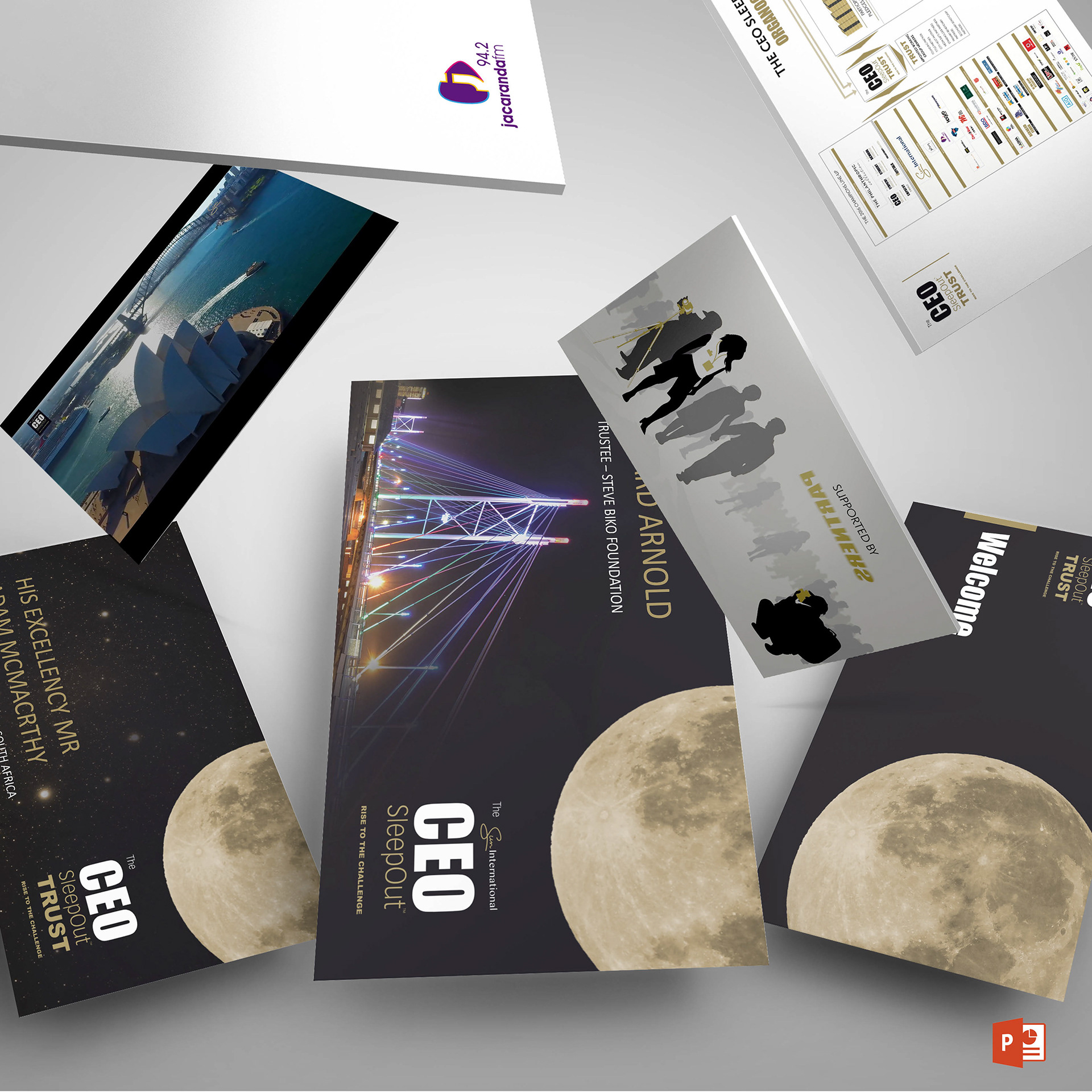
The old identity made sponsorship harder because 702 appeared to own the event. The refreshed structure gave partners defined roles, including media partners, title partners, impact partners, beneficiary partners, and supporting partners.

This created space for more sponsors without weakening the brand.

3. Build a stronger message
The message moved from: “CEOs sleep outside for charity.”
To: “Business leaders step out of comfort to raise awareness, funding, and accountability for vulnerable communities.”

That shift made the brand more credible, more respectful, and more useful to sponsors.

4. Build for growth
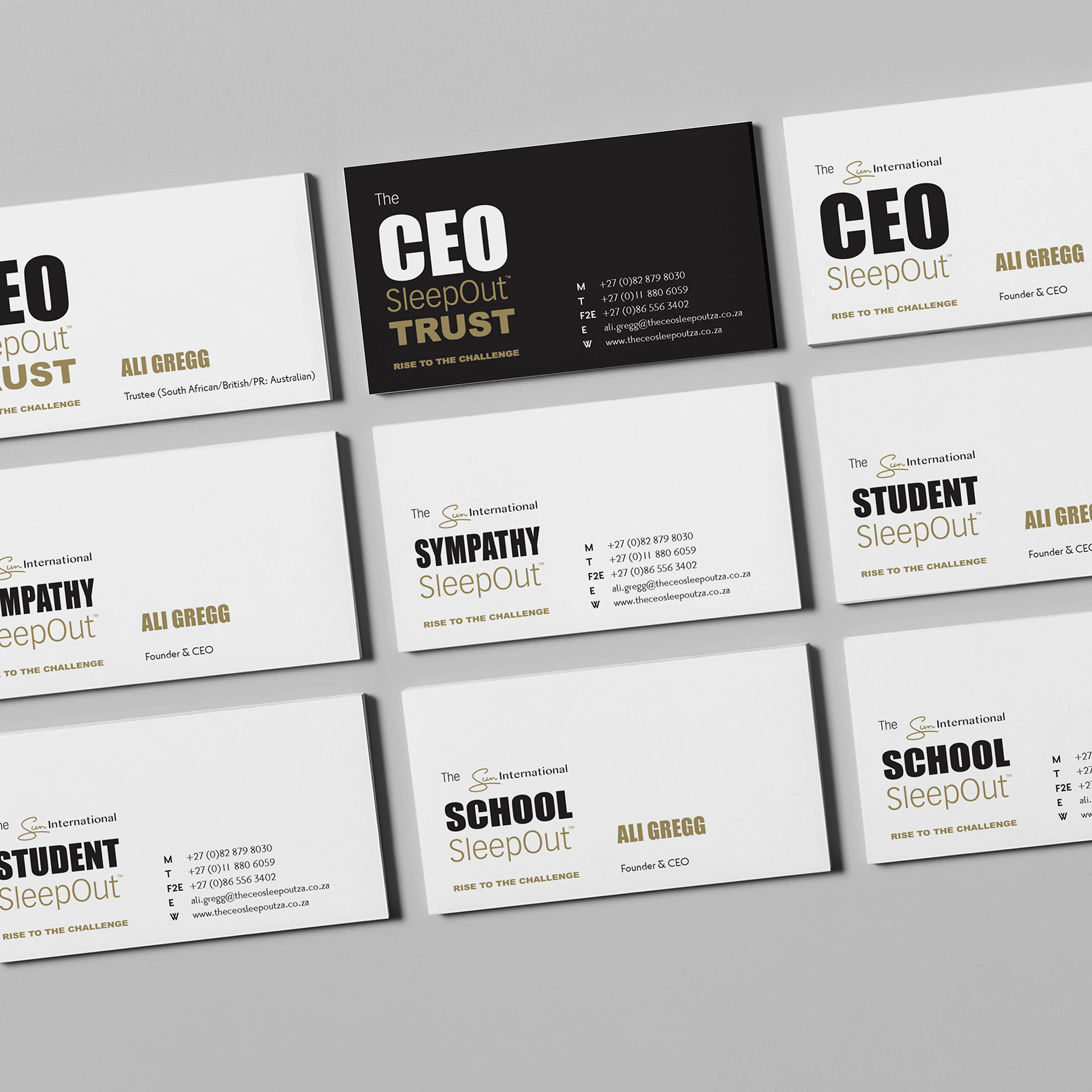
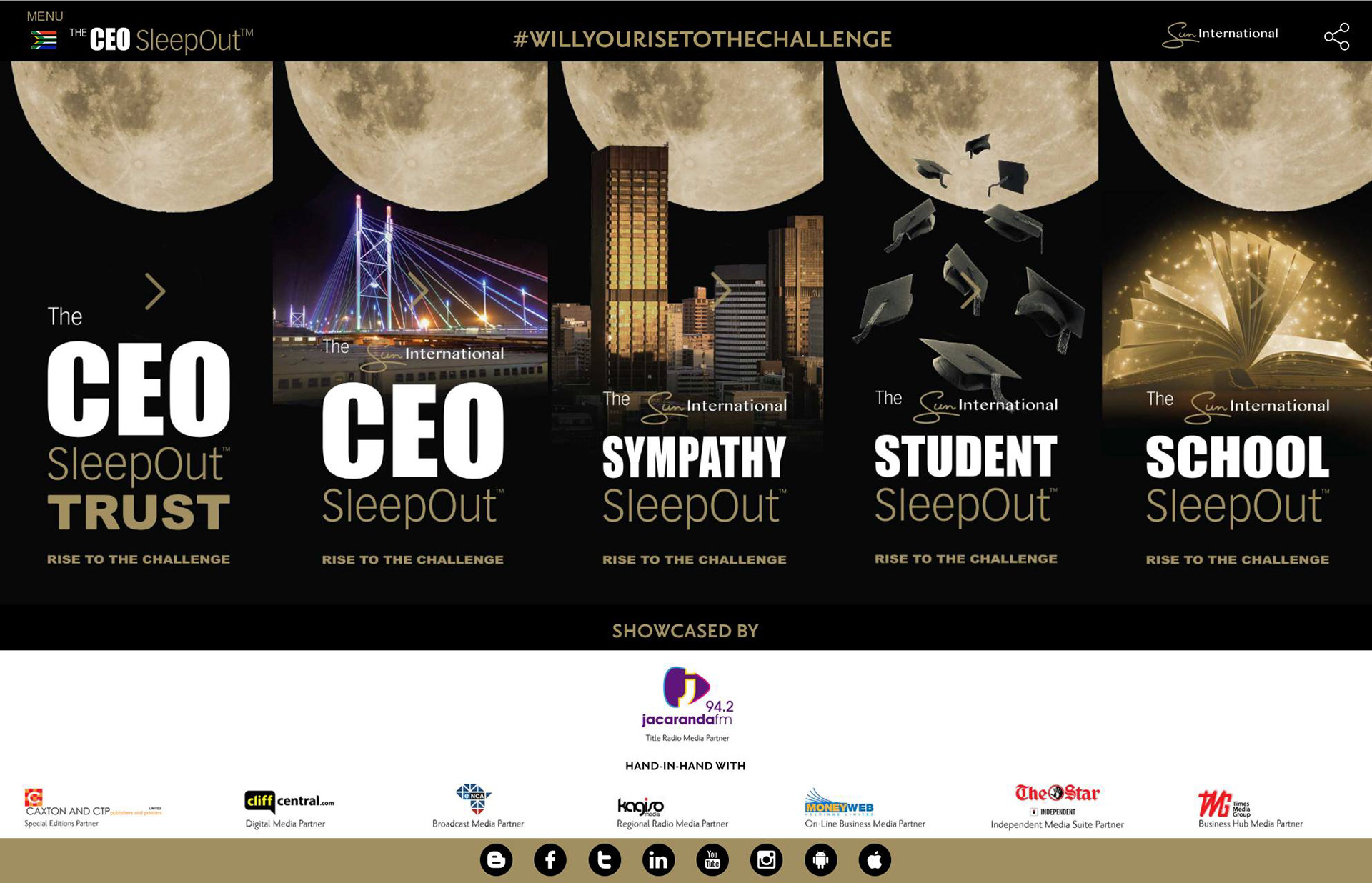
The new brand architecture created room for future programs and sub-brands, including school, student, corporate, and leadership-focused SleepOut extensions.

This gave the organization a system that could grow beyond one annual event.
• The Visual Facelift
• The visual identity needed to feel independent, premium, and cause-led.
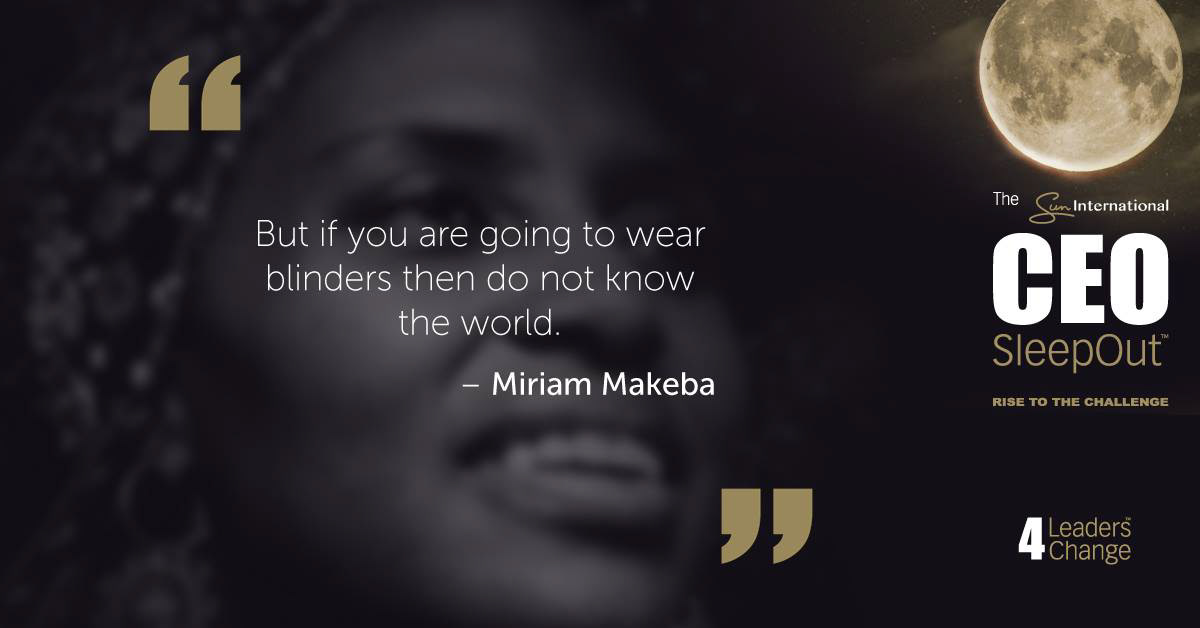
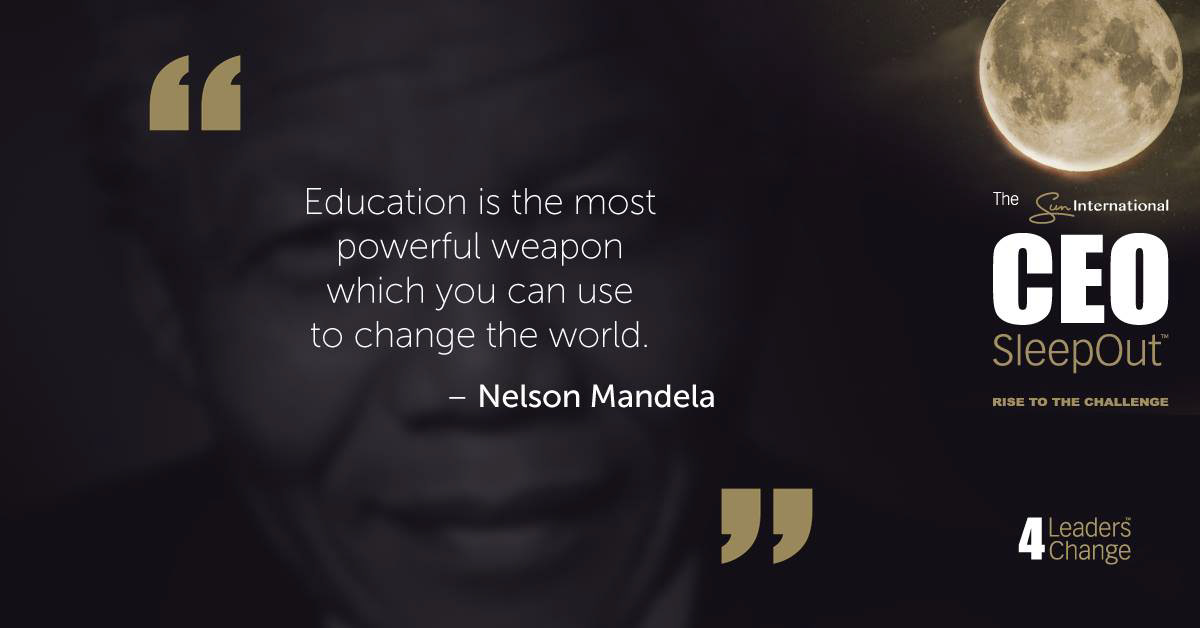
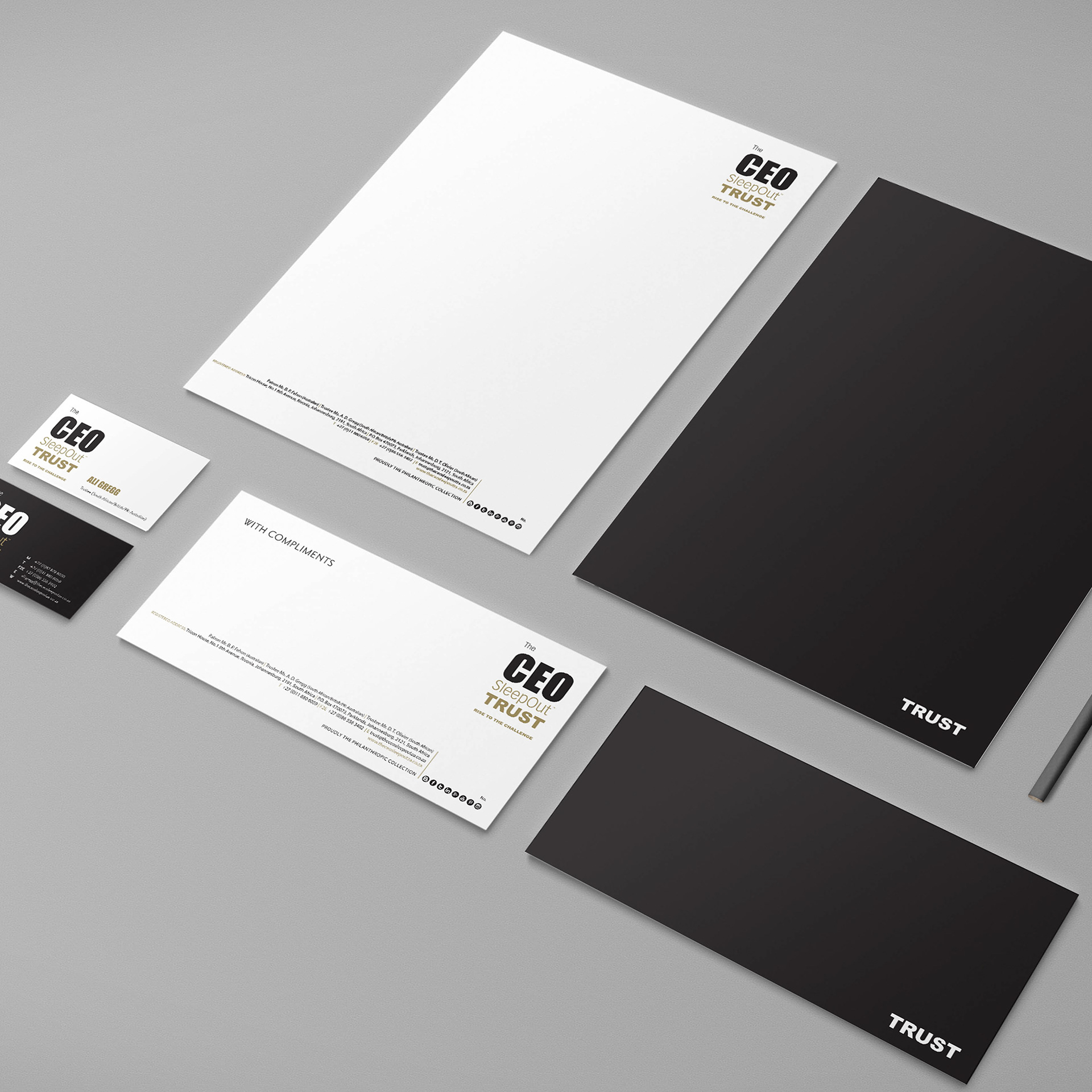
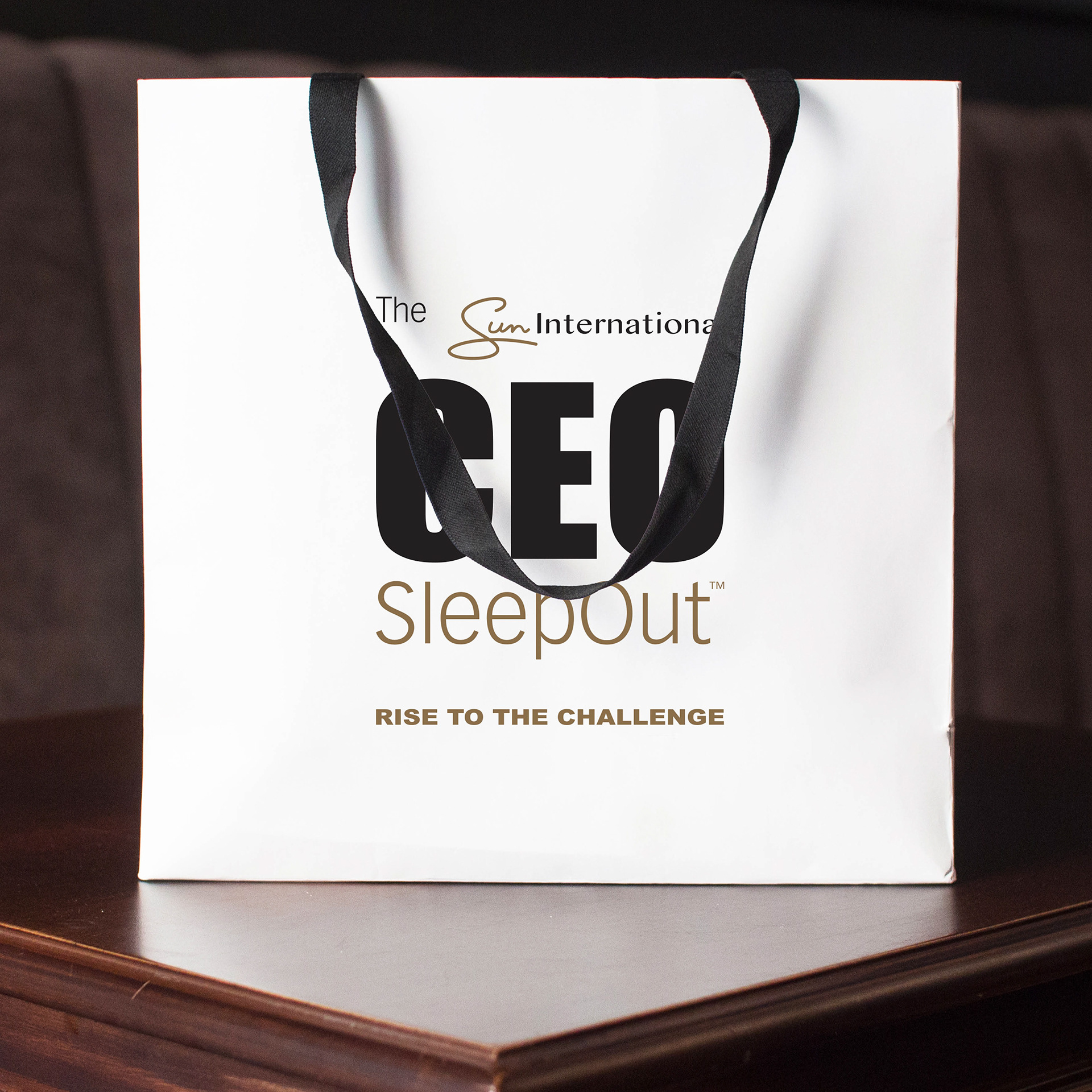
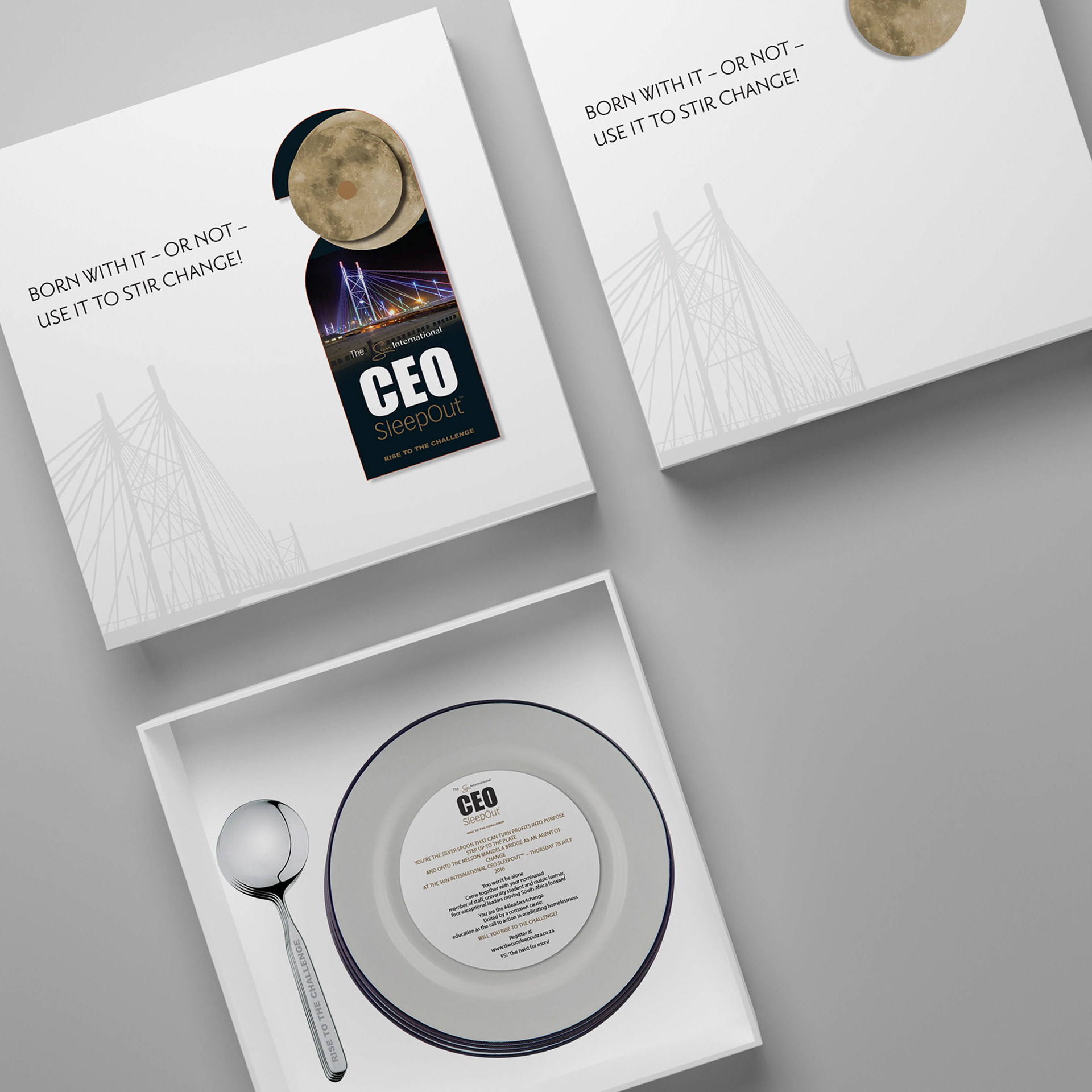
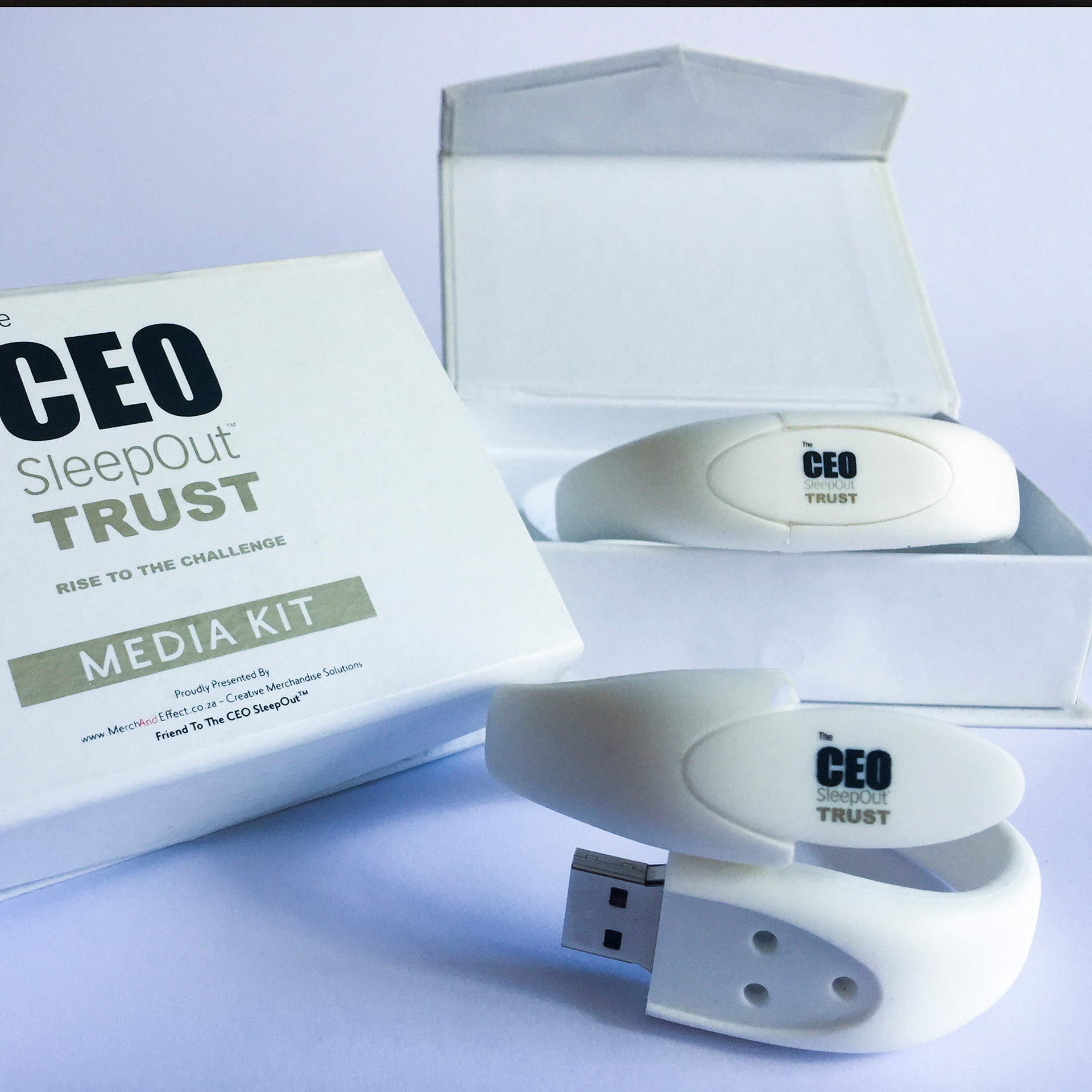
• The design direction focused on night, reflection, leadership, empathy, urban South Africa, dignity, and action. It also corrected the visual hierarchy so CEO SleepOut became the lead identity.

The goal was not to decorate the brand. It was to make ownership clear.

Sponsor and media logos were placed into a controlled partner system, allowing them to receive recognition without overpowering the cause.

The Role of Empathy
Empathy became an important storytelling asset in the refreshed brand system.
The publication helped CEO SleepOut move beyond event awareness and into leadership reflection, sponsor engagement, beneficiary storytelling, and post-event credibility.

It gave the organization a premium piece of content that could support future sponsor conversations and show the human purpose behind the event.

Reputation Strategy
The brand had to be careful not to overstate the experience.

The CEO SleepOut was not positioned as a solution to homelessness. It was positioned as a catalyst for awareness, funding, and accountability.

The strategy focused on:
• Leading with the cause, not the CEOs.
• Treating beneficiaries with dignity.
• Keeping sponsor branding controlled.
• Reporting impact clearly.
• Making post-event outcomes as visible as the event itself.

That approach helped protect the brand from feeling performative or over-commercialized.

Outcome
The brand facelift repositioned CEO SleepOut South Africa from a media-led campaign into an independent leadership-for-impact platform.

The work corrected the core issue: brand ownership.

By placing CEO SleepOut at the center and repositioning 702 as a media partner, the organization gained a stronger foundation for sponsor growth, public recognition, and future expansion.

The refreshed strategy delivered:
• Stronger independent brand recognition
• Clearer sponsor architecture
• Better visual hierarchy
• A more credible cause-led message
• A scalable sub-brand system
• Stronger post-event storytelling through Empathy

CEO SleepOut no longer had to rely only on borrowed visibility. It could begin building equity as its own brand.

Final Summary
CEO SleepOut South Africa was already a successful event, but its brand equity was being credited to the wrong place.

My role was to help shift the organization from 702-led visibility to CEO SleepOut-owned impact. Through strategy, visual hierarchy, sponsorship structure, messaging, and publication direction, the brand was repositioned as an independent platform with room to grow.

The work was not just a facelift. It was a strategic reset.

A cause brand cannot afford to be remembered as someone else’s campaign. It has to own its mission, voice, and impact.
Back to Top