I Moved to Alaska in December. Then the Landscape Began to Change Everything.
I arrived in Alaska in December, which is perhaps not the gentlest way to introduce yourself to the place. I had left South Africa in summer, a country of afternoon thunderstorms, dry grass, enormous skies and the smell of earth after rain, and landed in a world where snow had swallowed the ground and darkness arrived before the day seemed properly finished.
Everything felt unfamiliar at first. The cold had weight. Snow was no longer something beautiful on a mountain in the distance. It was on the road, against the house, under my boots and piled beside parking lots. The trees stood dark against the white, their branches carrying snow as though this was perfectly normal, which to them, of course, it was. I was the one who had arrived without understanding the rules.
In South Africa I had always known the landscape through movement. We drove through it, hiked it, watched the vegetation change, followed mountains and rivers, noticed when the dry Highveld gave way to something greener. Weather arrived dramatically there. A Johannesburg summer storm announces itself long before the rain comes, the clouds building until the sky turns almost theatrical. Alaska was different. Weather could close the world quietly. A mountain visible in the morning could disappear behind cloud. Snow softened edges. Sound seemed to travel differently. Even silence felt larger.
Then I started walking. That was when Alaska stopped being the extraordinary place I had moved to and began becoming somewhere I was learning to know. A trail gives you a different relationship with a landscape. From the road, mountains are scenery. On foot, they become scale. You notice the incline, the cold air entering your lungs, the crunch beneath your boots and the way snow changes the shape of familiar ground. You start looking for tracks and movement. A branch shifts. Something disappears between trees. A bird breaks the quiet. You realise very quickly that wilderness is not empty simply because humans are not making the noise.
I carried my camera because I always do, but increasingly I found that photography was slowing me down rather than helping me move through the landscape faster. I would stop for the obvious things, the mountains and enormous views, but also for the smaller details that began explaining Alaska to me: ice forming along water, snow caught in spruce branches, animal tracks crossing a path, the brief colour of winter light and the way clouds could divide a mountain into visible and invisible halves. The seasons became their own journey.
Winter had introduced itself first and rather forcefully, but then the light began returning. Small changes became surprisingly important. A longer evening. Water moving again. Snow withdrawing from places it had occupied for months. The first suggestion of green. After a long Alaska winter, spring does not feel decorative. It feels earned.
Summer was almost impossible to reconcile with the place I had first met. Suddenly there was light everywhere. The days stretched out as though nobody had explained to the sun when it was supposed to leave. Trails opened. Vegetation returned with enthusiasm. Water reflected mountains that had spent months surrounded by white. I began understanding something I had never really experienced in South Africa. In Alaska, you can return to exactly the same place and find that the landscape has become another place entirely.
A path I knew beneath snow could look new when surrounded by green. A view that had felt stark in winter became layered and alive. Autumn arrived with colour so intense that it almost felt excessive, then began disappearing before I was ready for it. Alaska does not seem particularly concerned about whether you have finished appreciating one season before the next arrives.
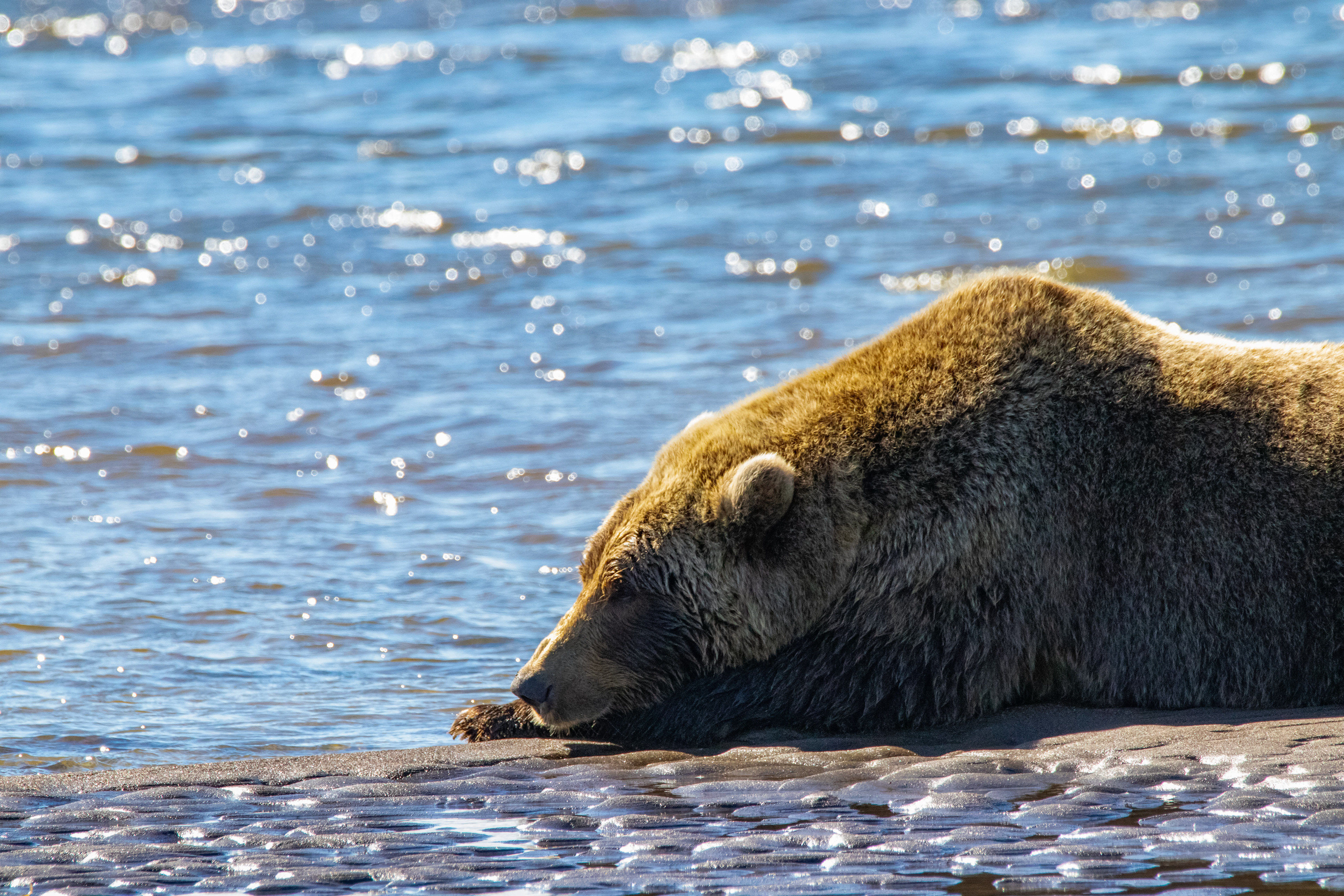
There were animals too, sometimes seen clearly, sometimes known only by evidence left behind. That changed the way I looked at wilderness. In South Africa, wildlife had always been part of my understanding of nature, but Alaska gave me another version of that relationship. Here too, the animals are not arranged for us. They are simply living in the landscape while we move temporarily through it. There is humility in that.
You learn to keep your distance. You learn that the photograph is not more important than the animal. Sometimes you watch and do nothing. Sometimes the better memory is the moment itself. And somewhere through all these walks, I began noticing the people as well.
Alaska's beauty is inseparable from the way people live within it. Winter changes how people prepare. Distance changes the meaning of “nearby.” Weather is discussed because weather matters. Summer brings people outside with an urgency that makes perfect sense after months of cold and darkness. There is an understanding here that nature is not an attraction sitting beyond daily life. It shapes daily life. That felt strangely familiar.
South Africa had taught me the same thing in another language. There, culture, people and land are constantly intertwined. Farmers, communities, cities, wildlife, mountains, drought, storms and open spaces all belong to the same complicated story. Alaska gave me a colder, quieter version of that truth.
The two places could hardly look more different, yet living here has made me think about South Africa more often, not less. I miss the summer storms. The smell of rain. Dry winter grass. Languages changing around a room. Familiar food. The particular humour South Africans use when things go wrong, which is fortunate because things occasionally provide considerable material. But Alaska has given me something I did not expect. It has taught me to return.
To walk the same trail in another season. To photograph the same mountain in different weather. To stop assuming that seeing a place once means I have seen it. There are photographs from my Alaska journeys that capture spectacular landscapes, but the ones I care about most increasingly contain something quieter. A change in light. A trail disappearing ahead. Tracks in snow. A moment where I stopped because something ordinary suddenly looked extraordinary.
Perhaps that is what moving across the world has done to me. South Africa taught me to look around because the landscape was always changing. Alaska taught me to look again because the same landscape never stays the same. And somewhere between those two wildernesses, I realized that travel is not really about collecting places. It is about allowing a place to change the way you see.
If it were a story for a Travel Page this would be the photographic brief
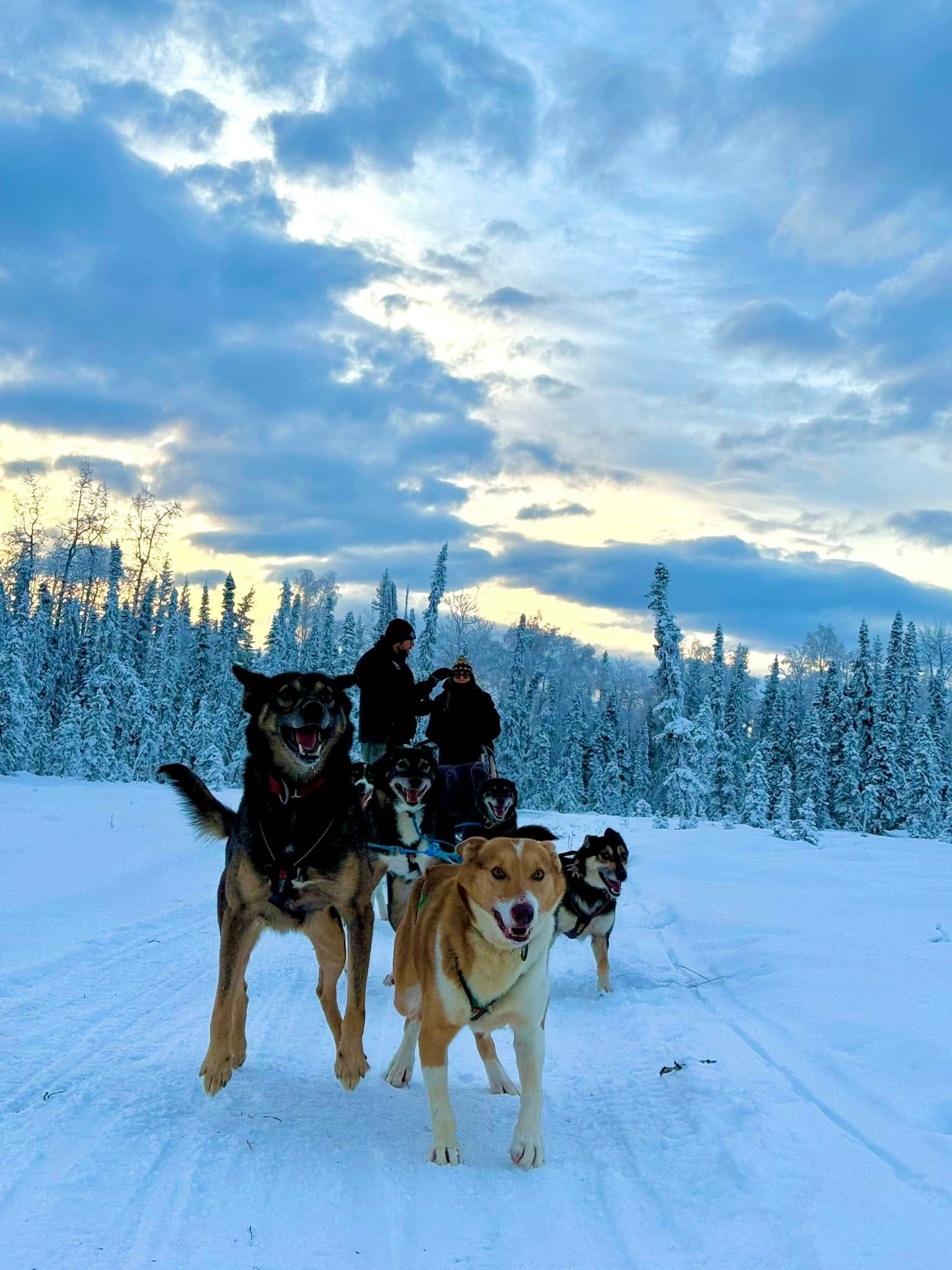
Dog Mushing
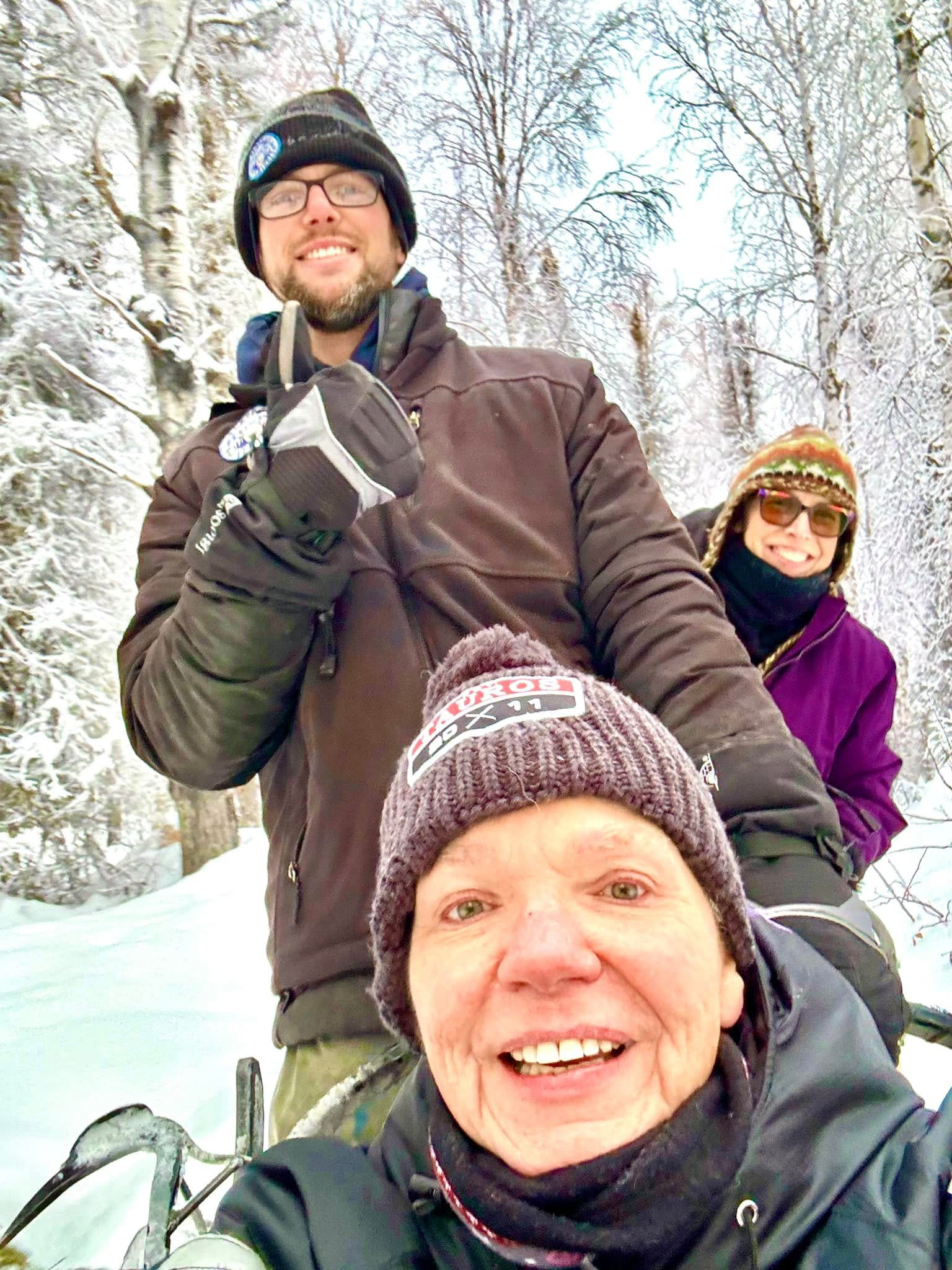
Our Musher Guide
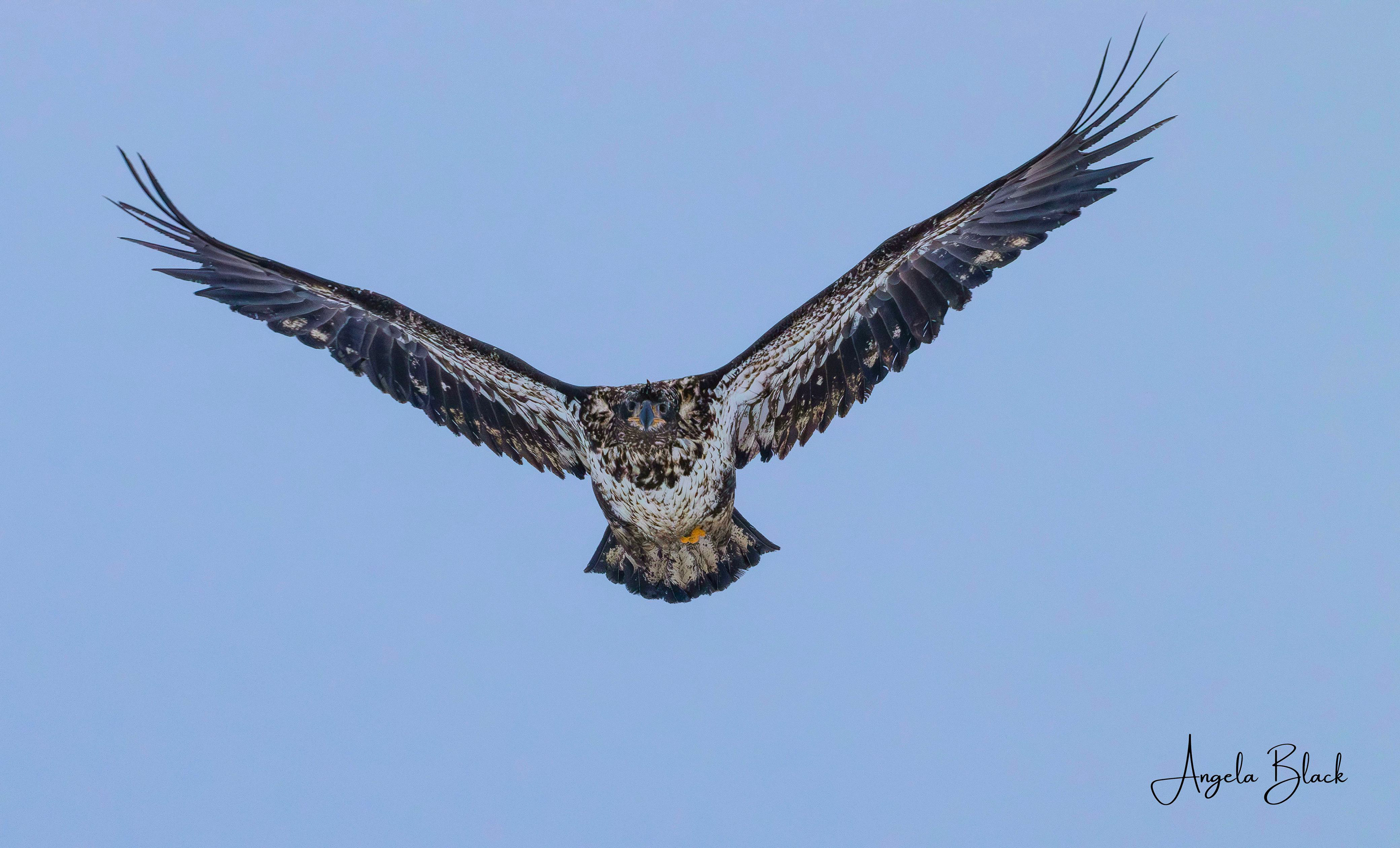
A Juvenile Bald Eagle
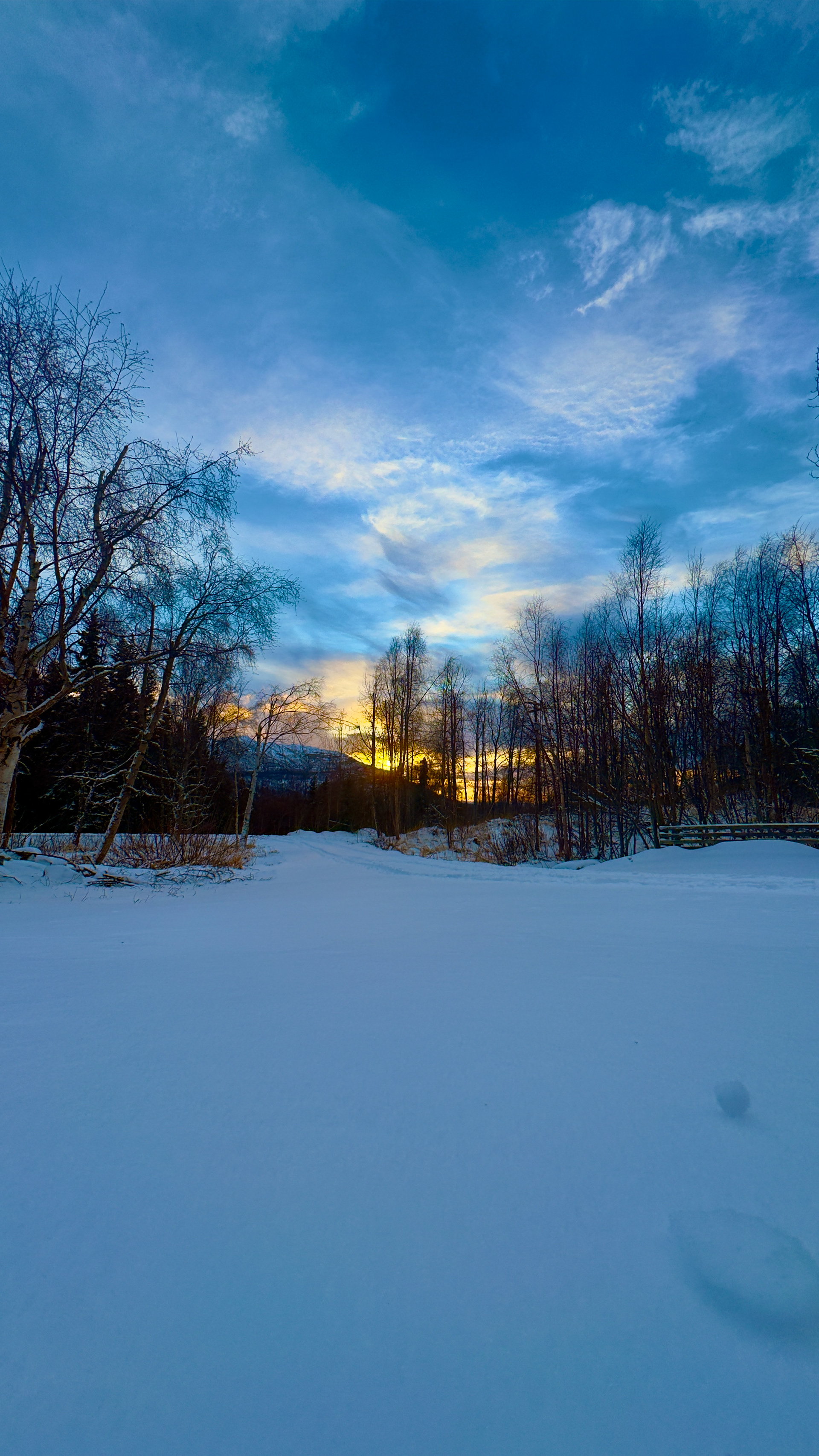
The View from our house
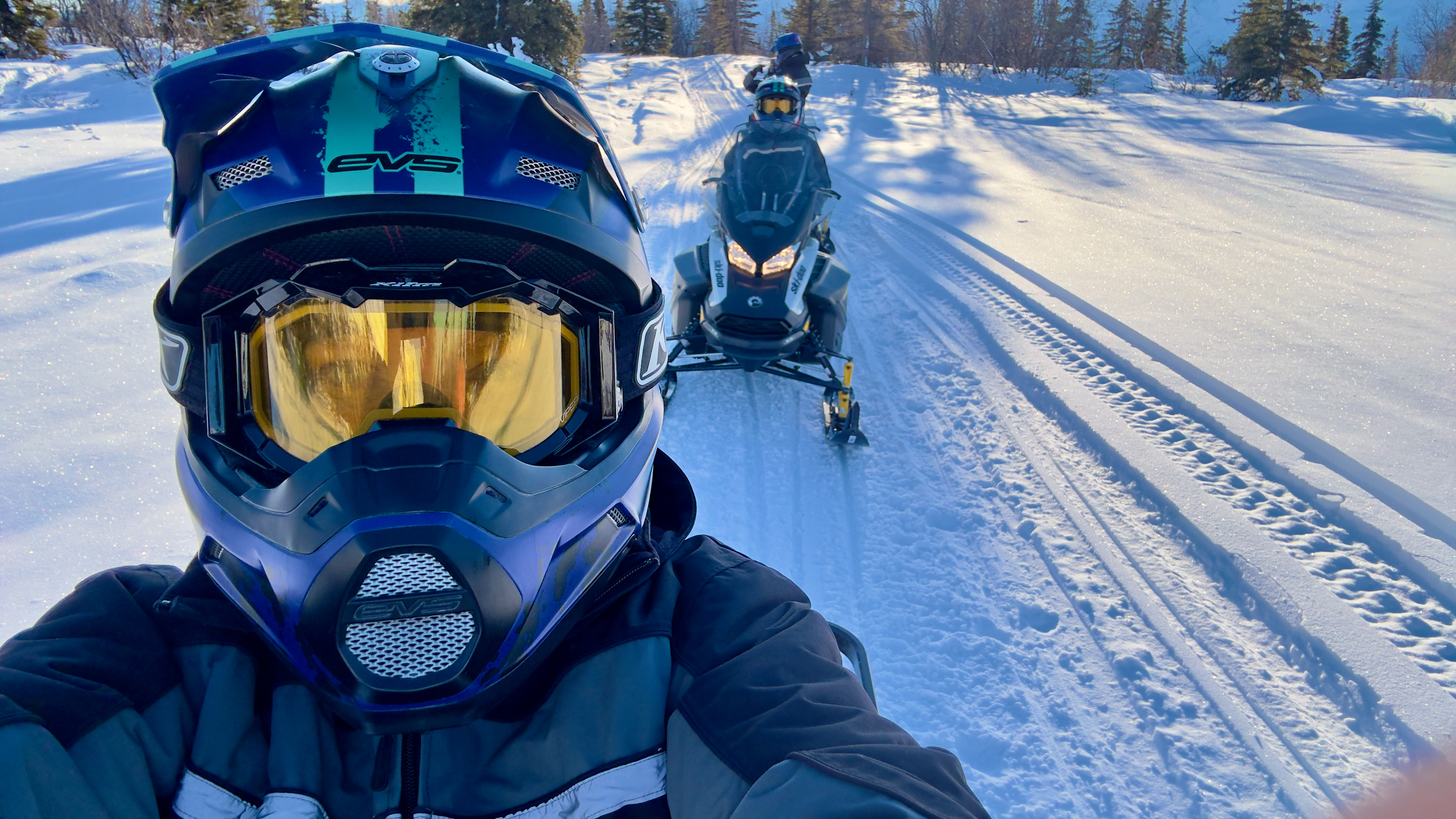
Snow Machining at Hatchers Pass
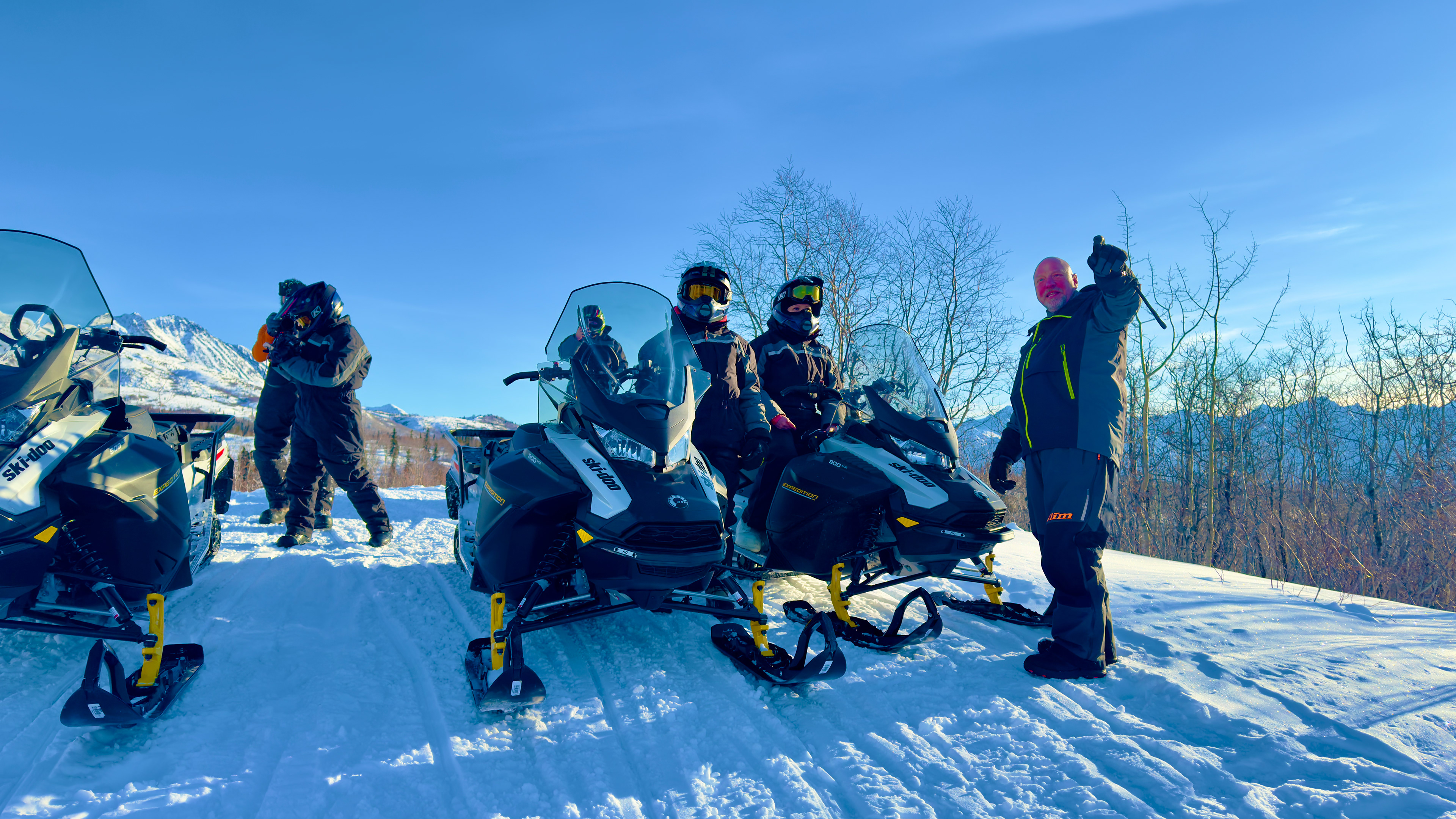
Our guide at Hatchers Pass
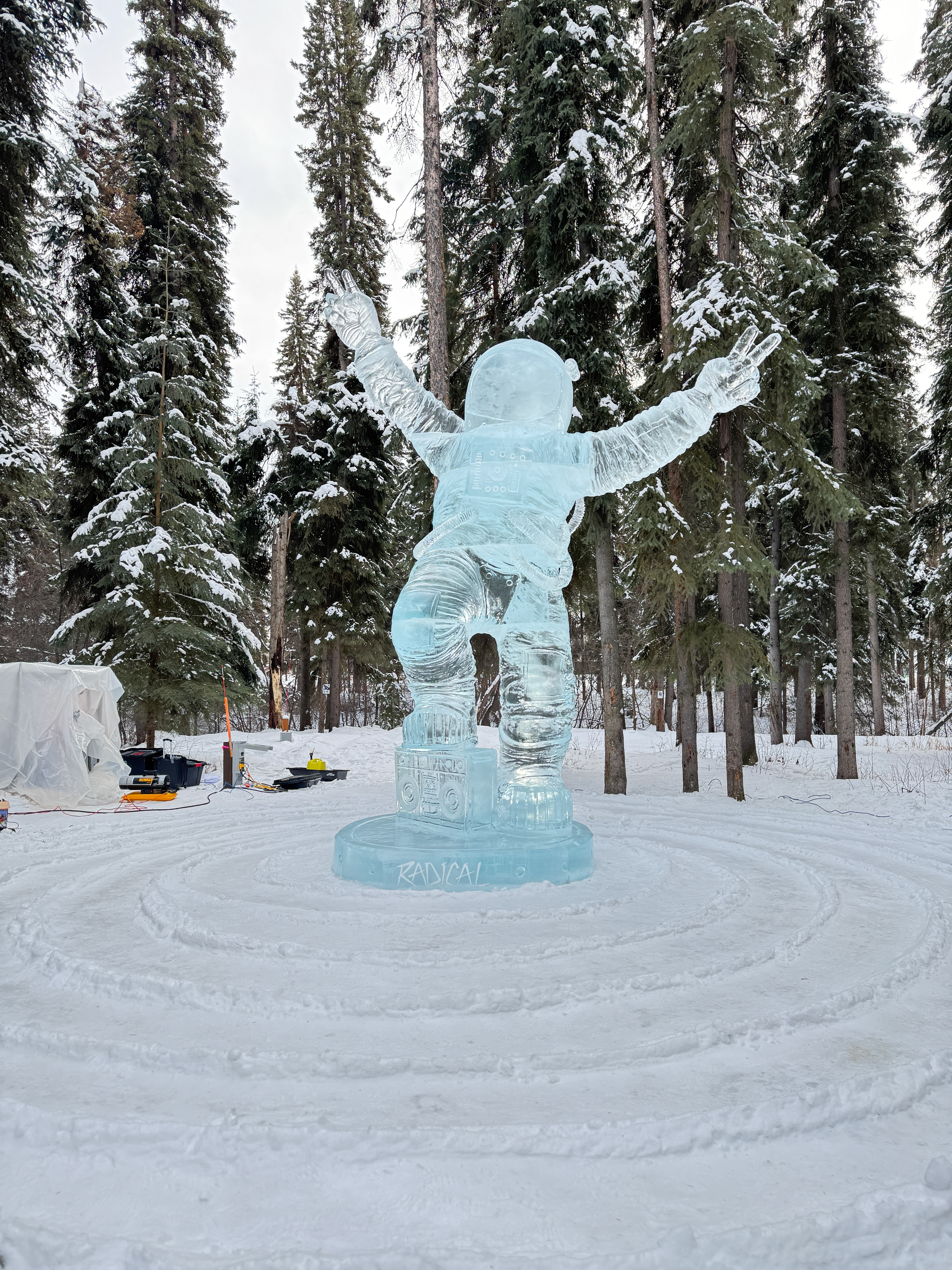
Ice Sculpture in Fairbanks
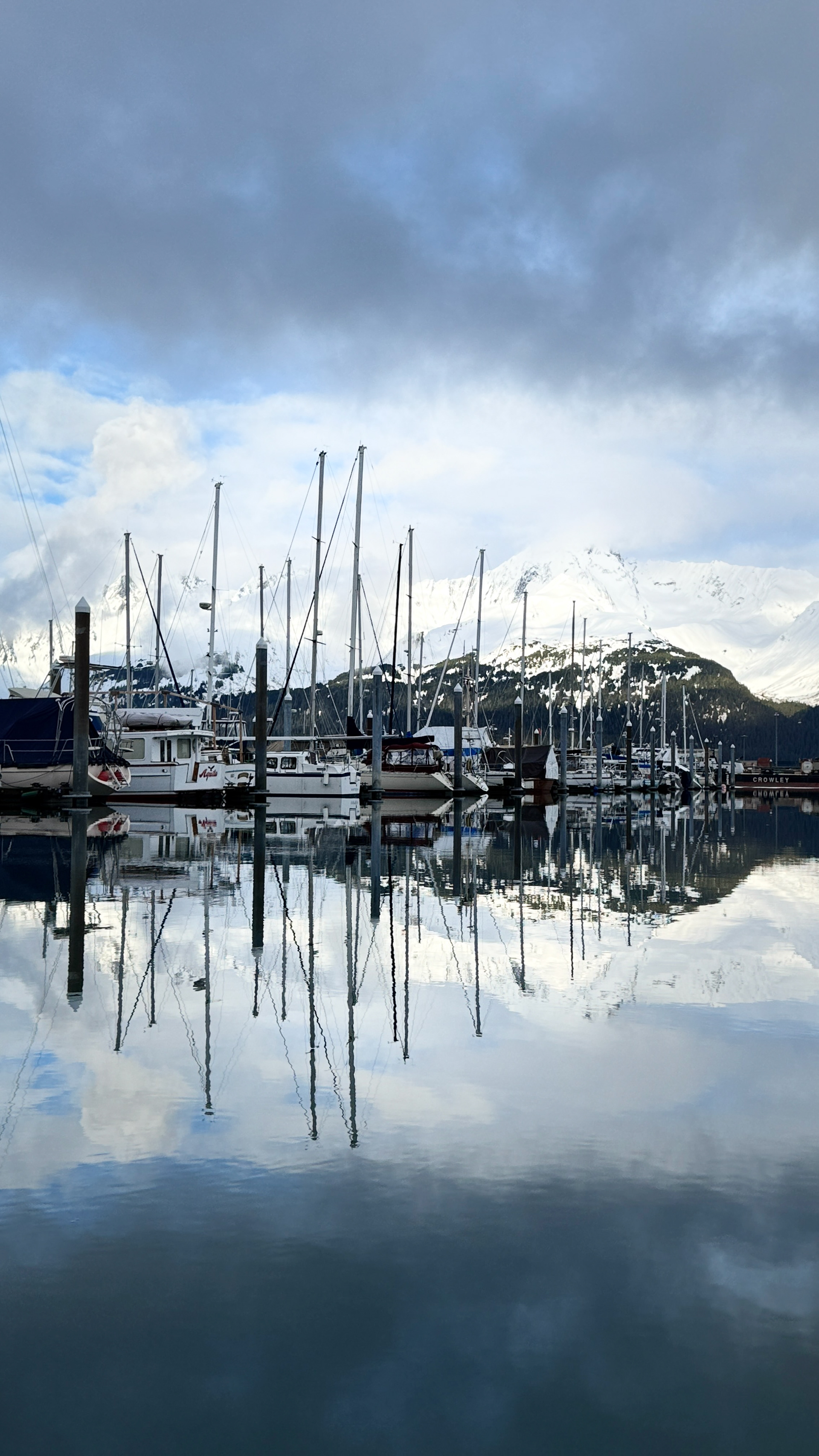
Seward morning at the dock
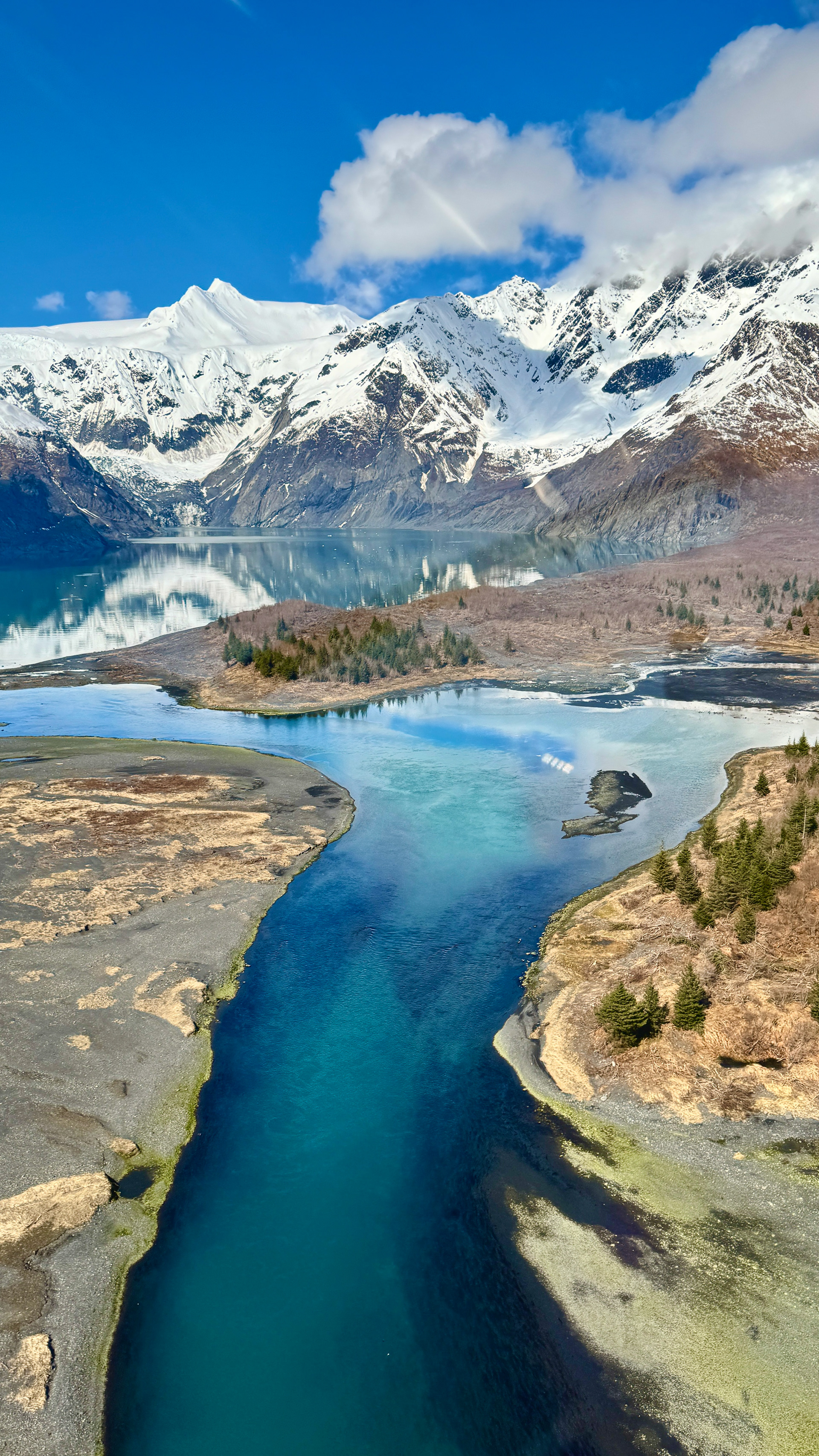
Arial Shot Seward
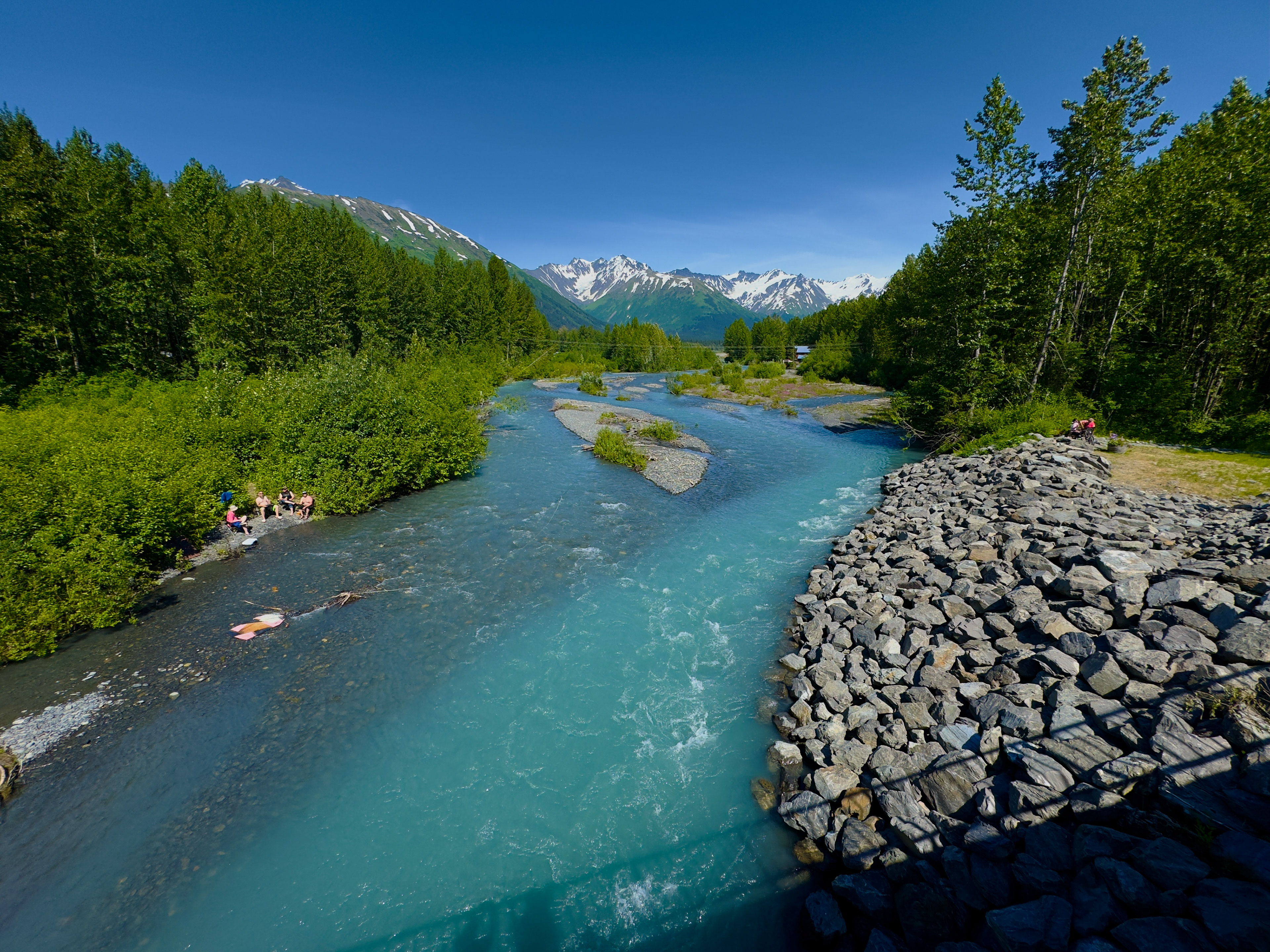
Girdwood river
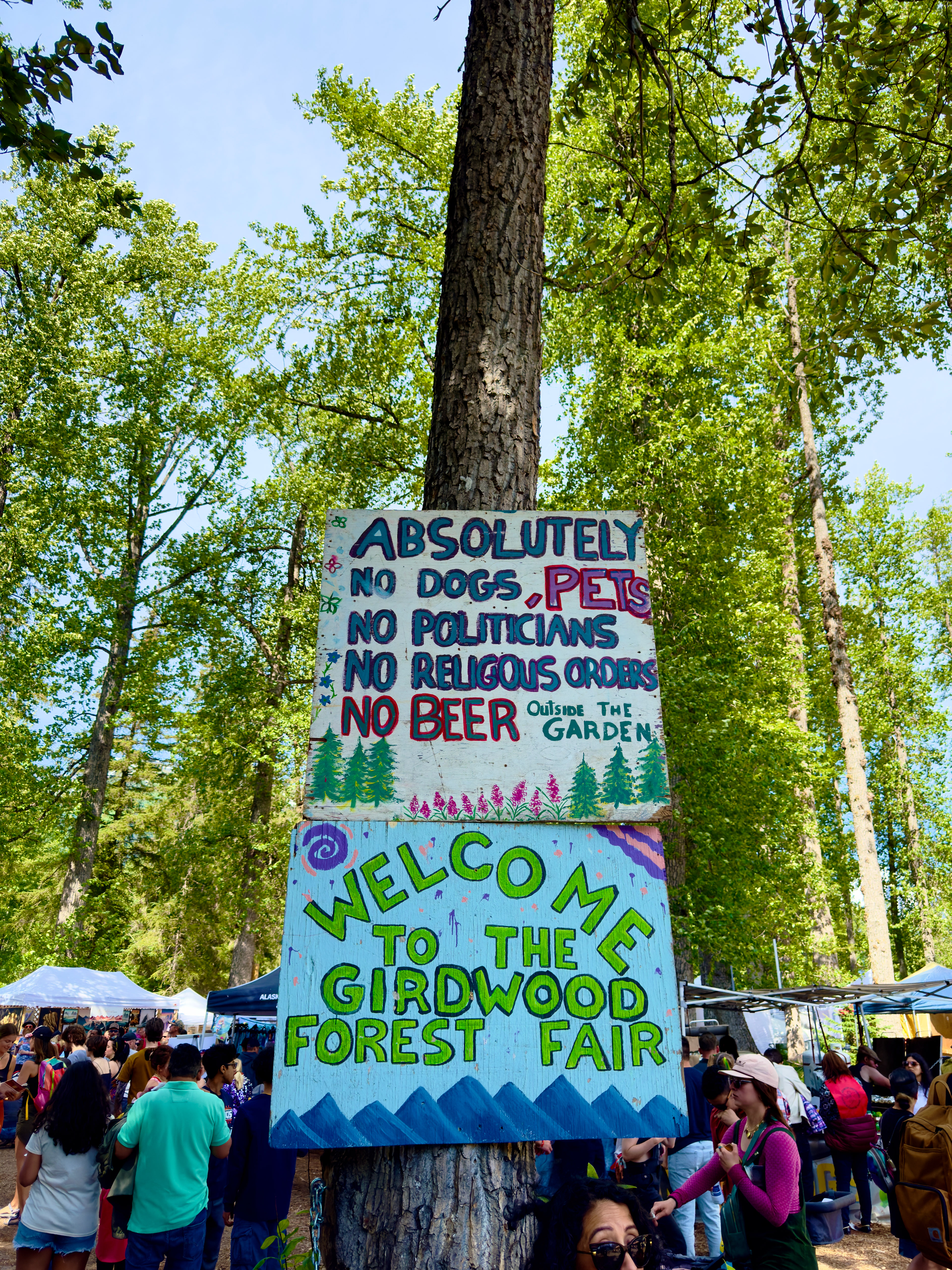
Girdwood Forest Fair
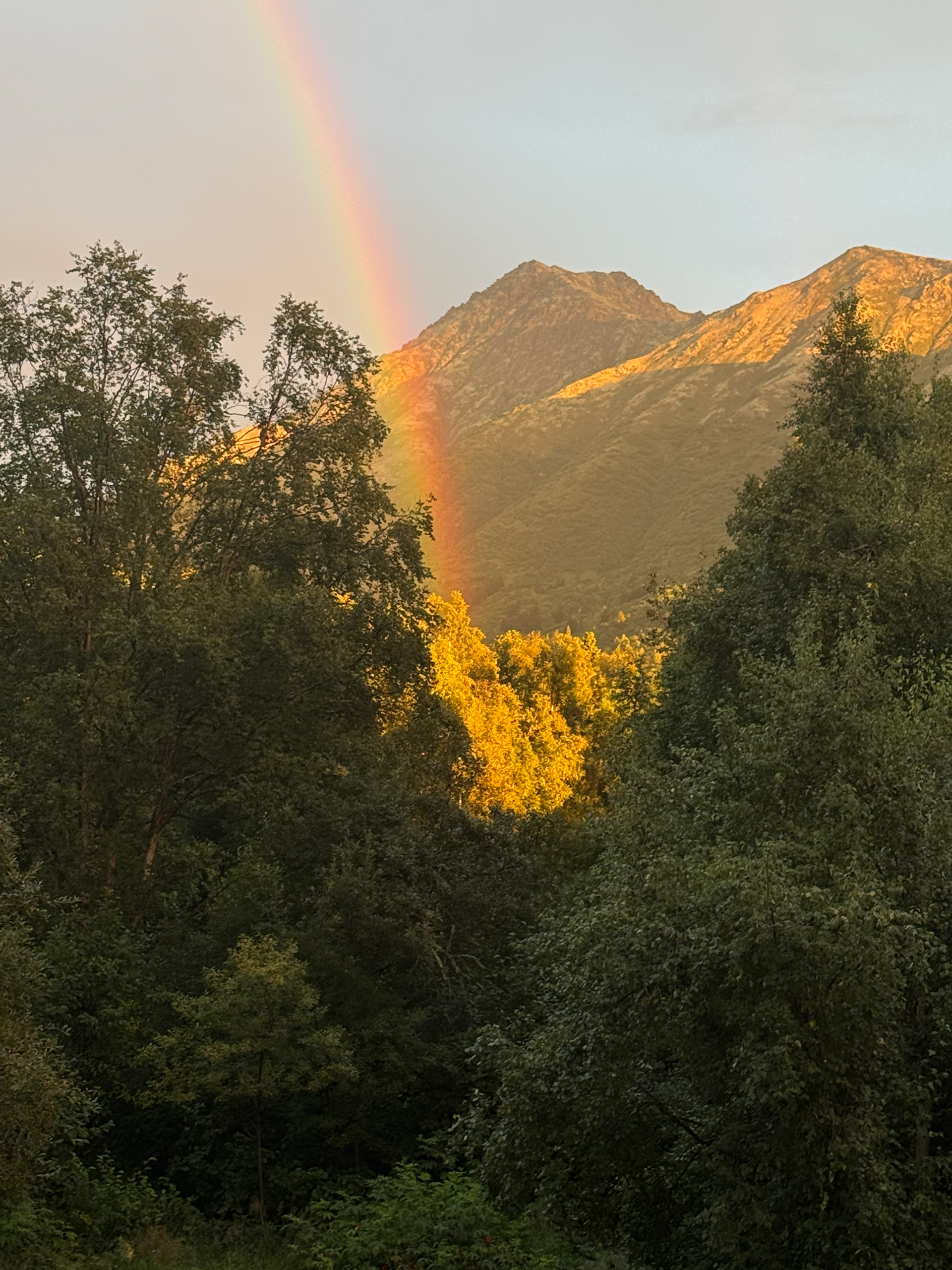
A early morning rainbow
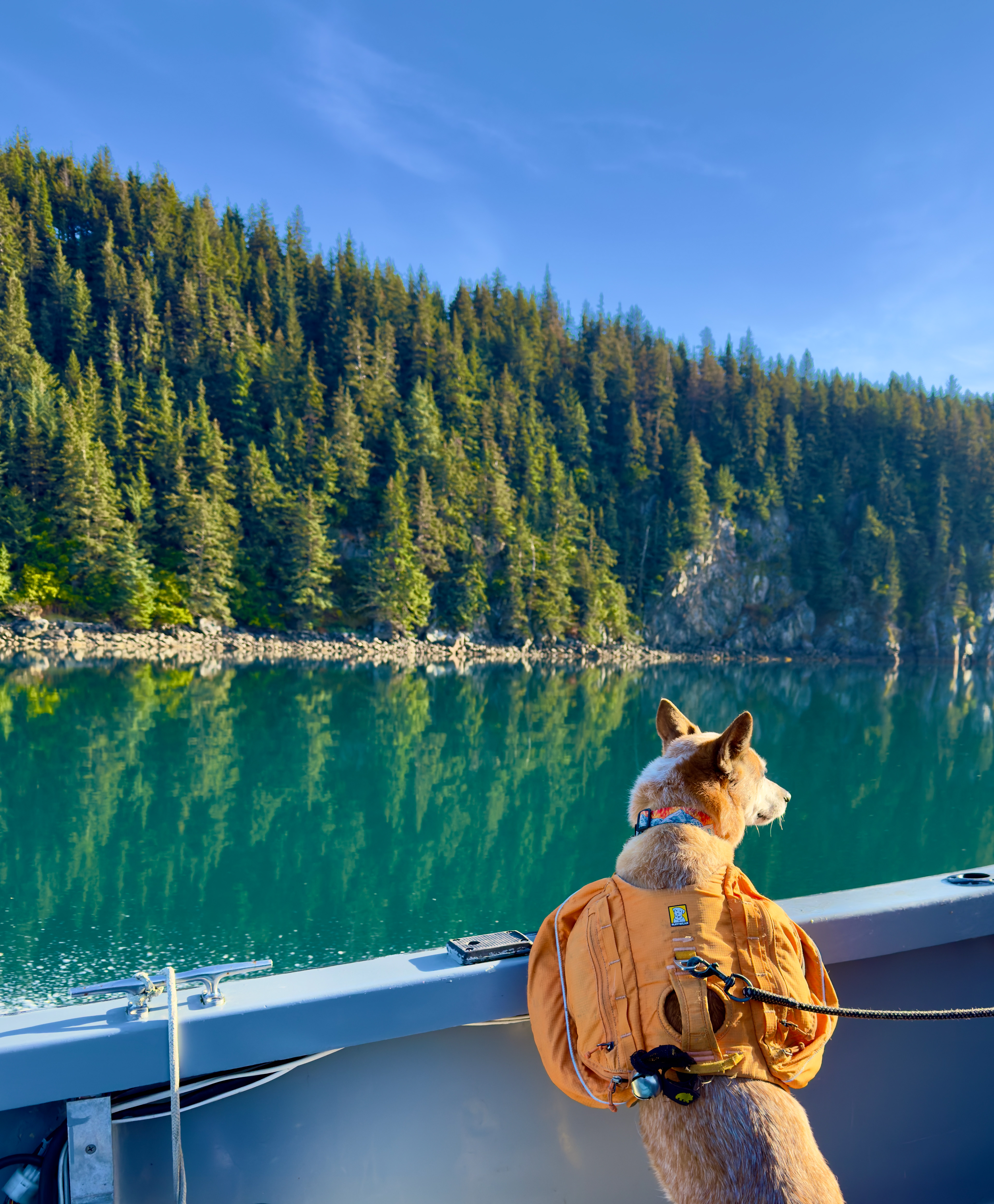
our Boat Taxi to Saldocia
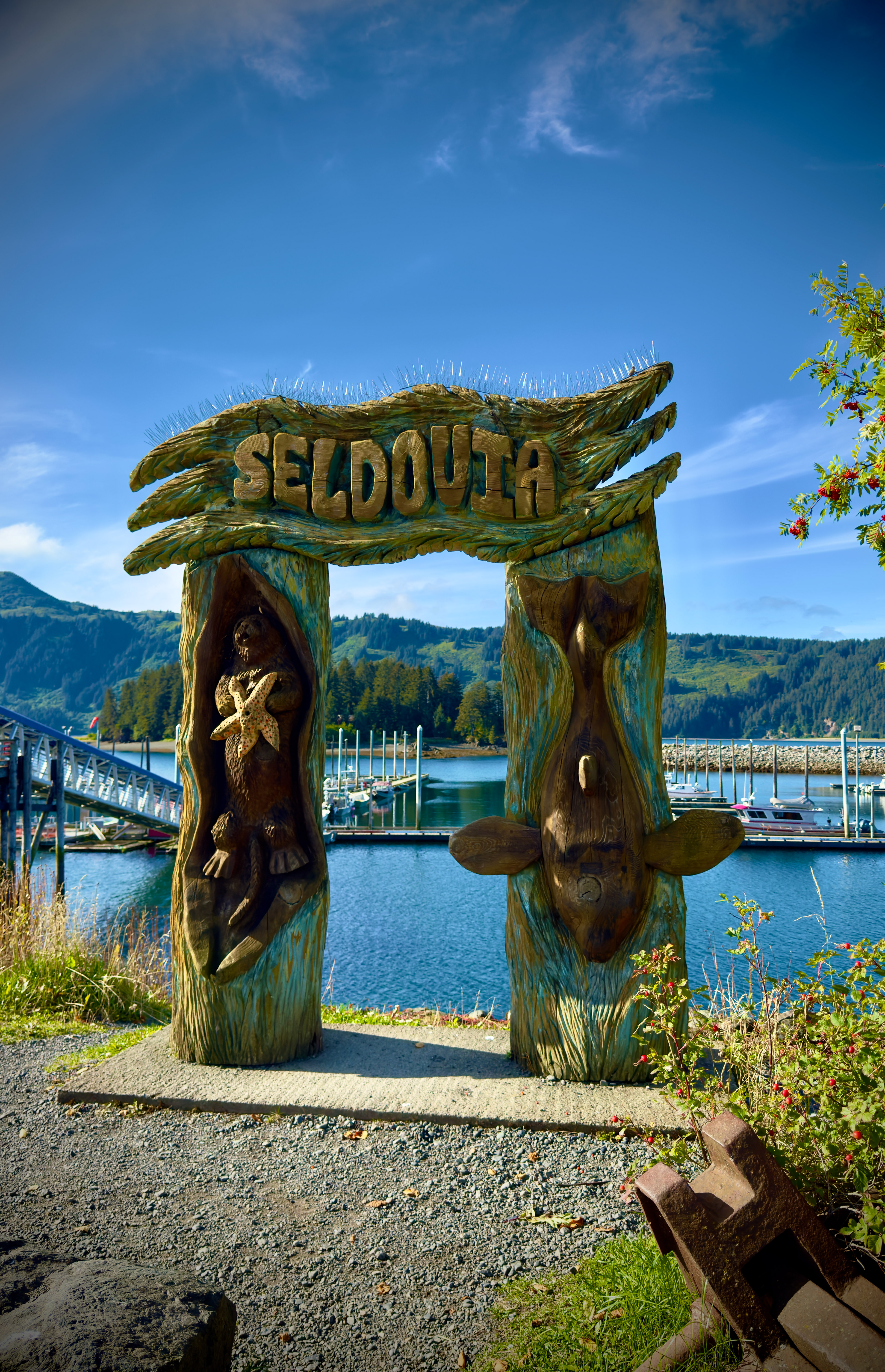
Saldovia Harbor
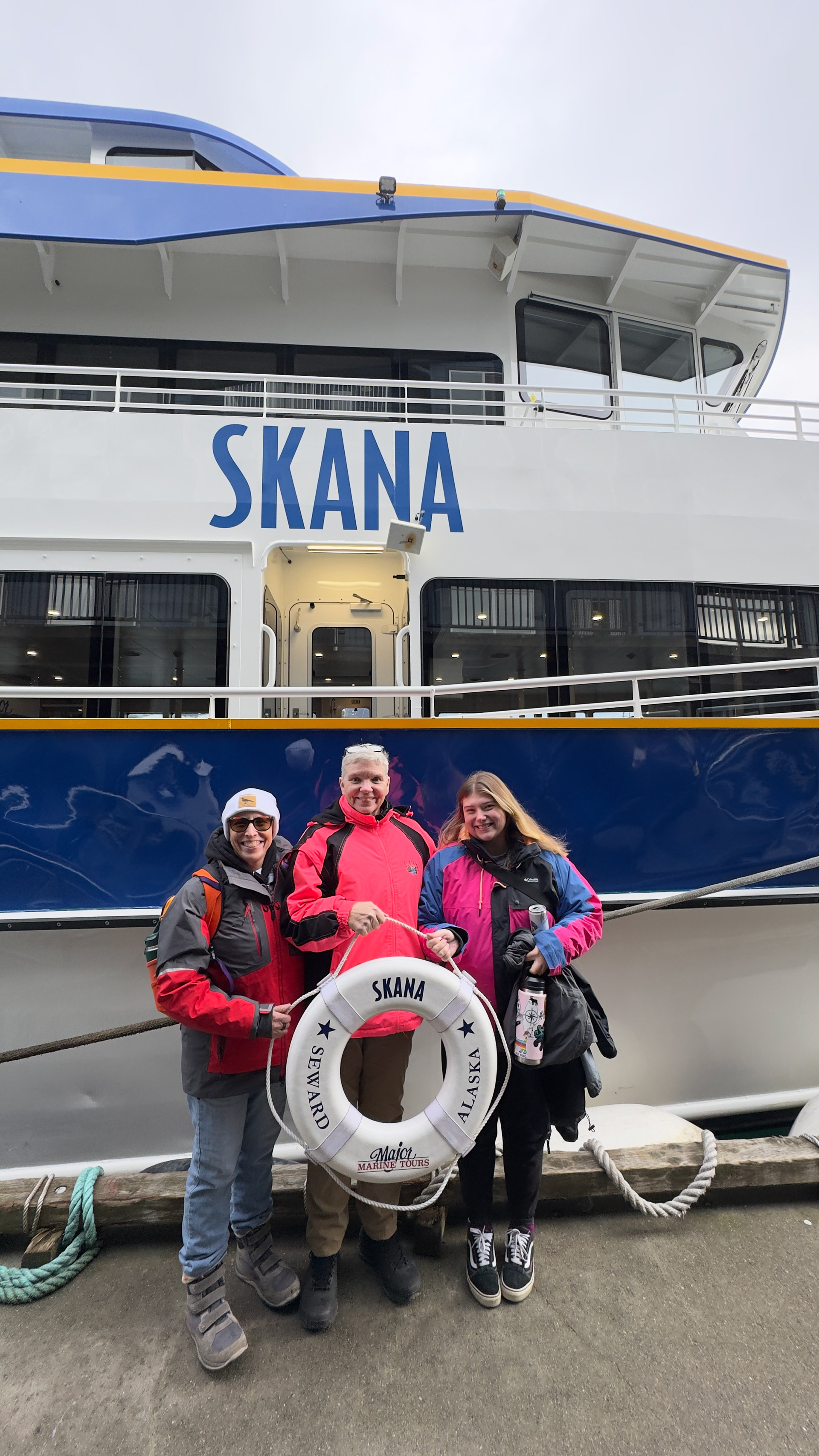
Whale watching in Seward
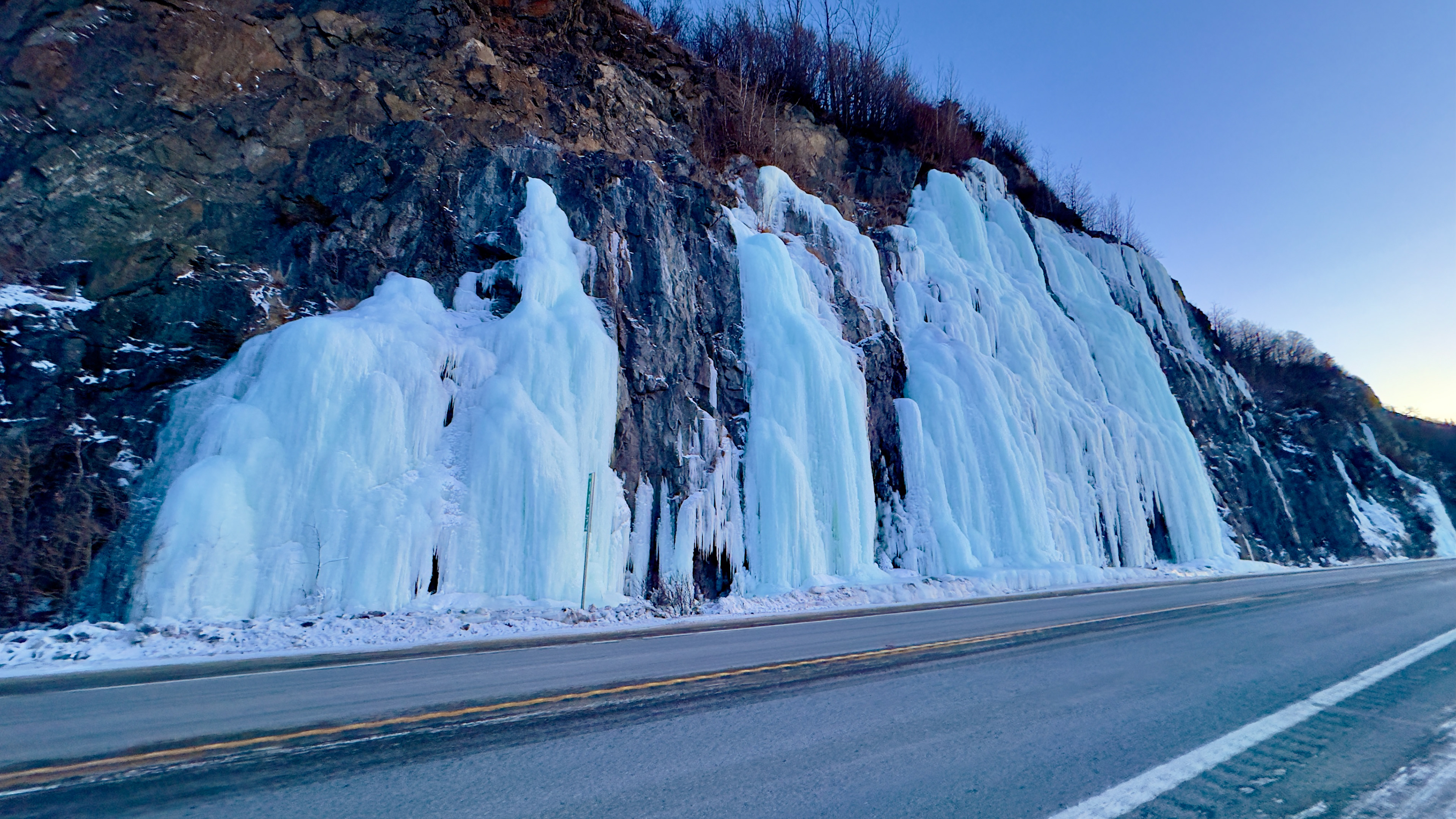
The Frozen Waterfalls on Turnagain Arm
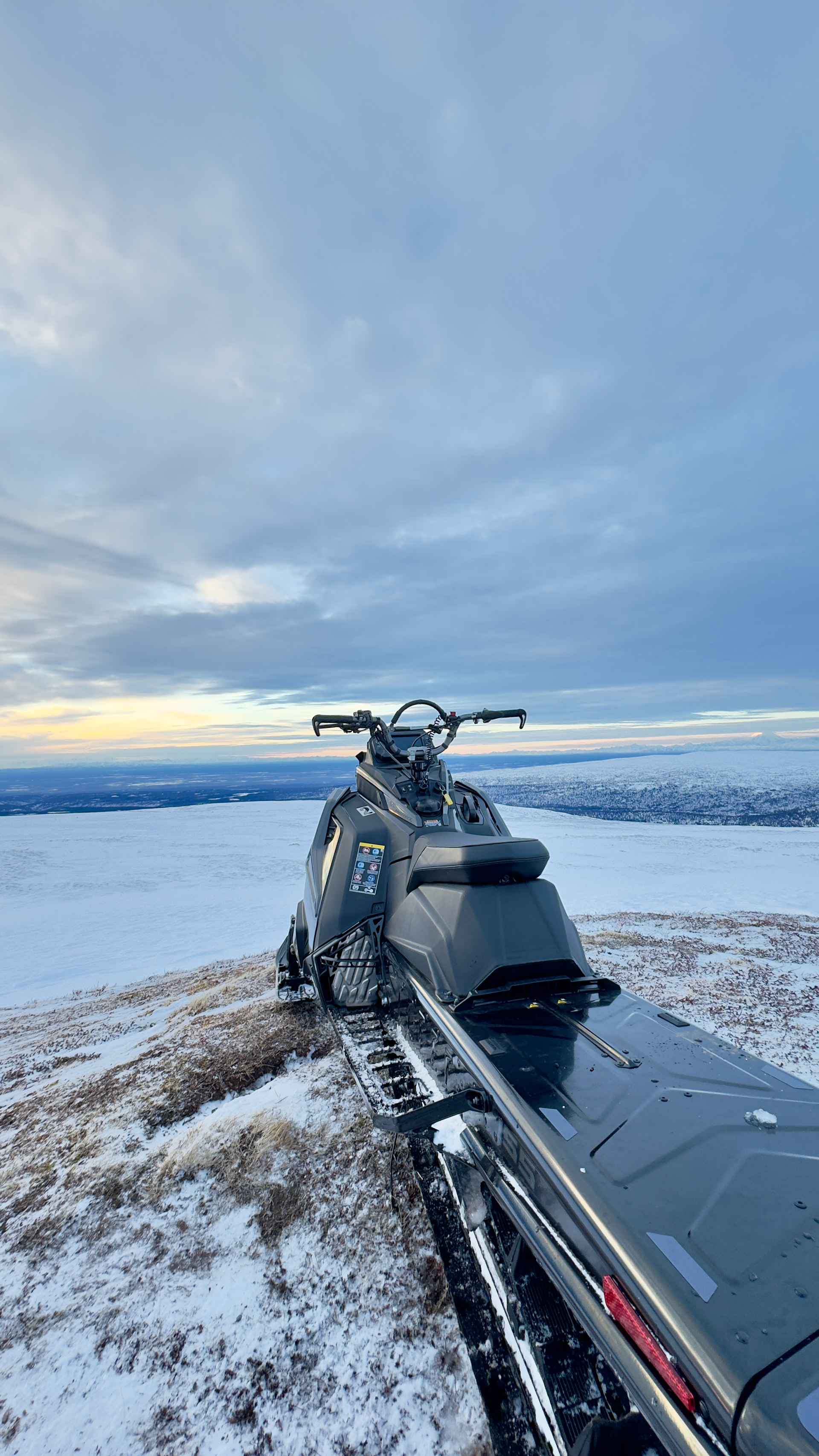
Snow Machining
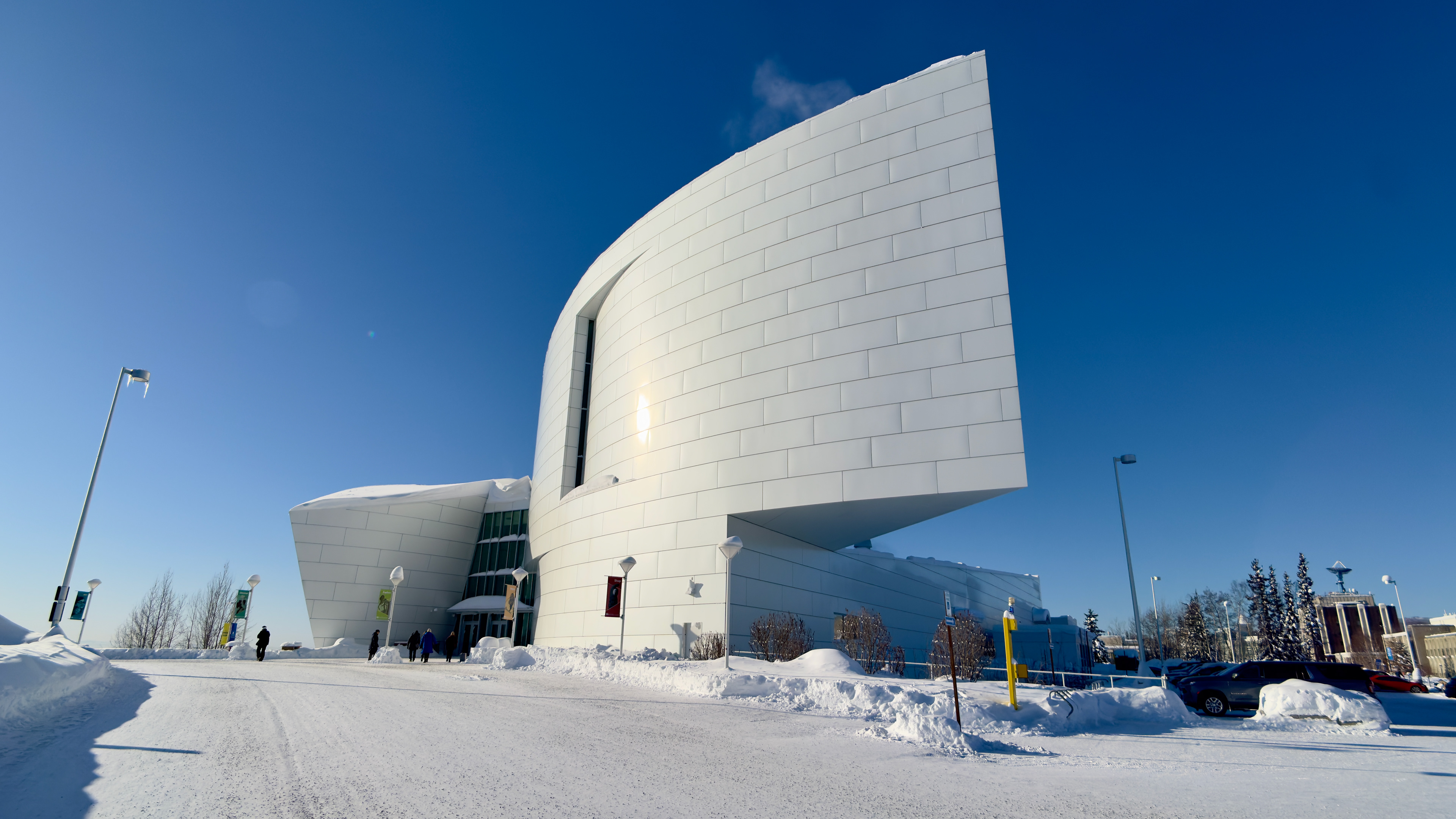
Fairbanks Cultural Museum
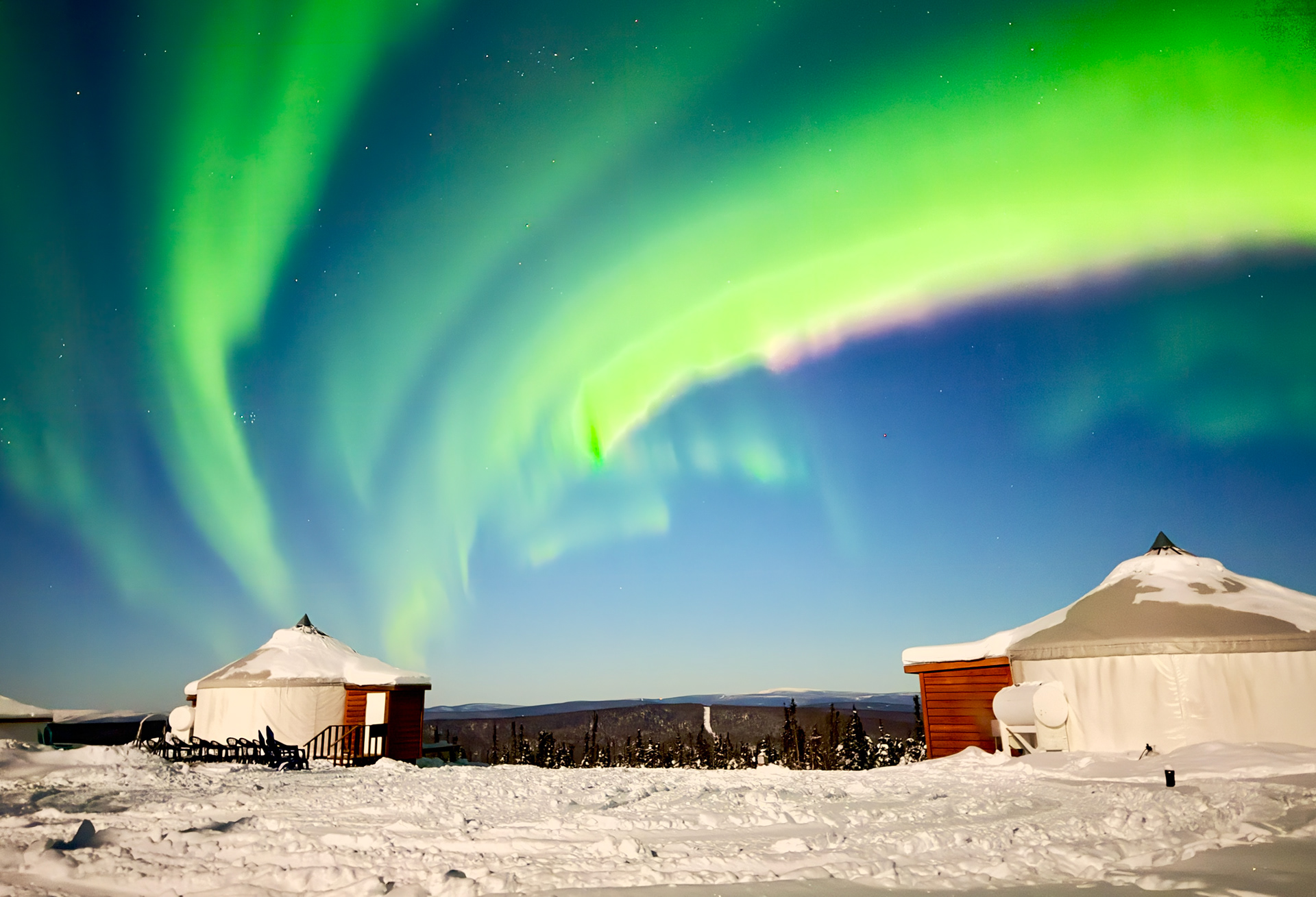
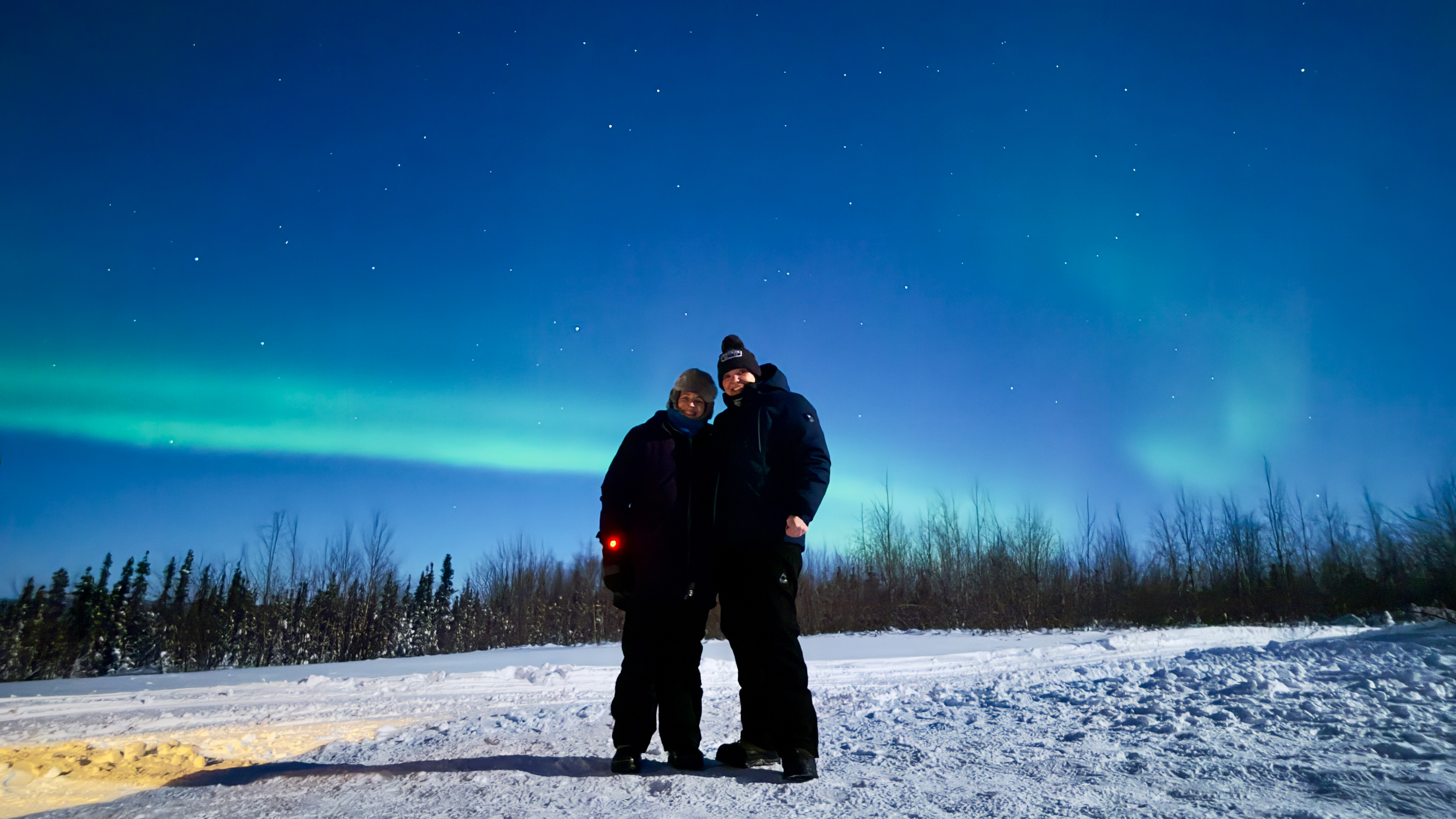
Fairbanks midnight Aurora